Wonder 2026: 7th edition of the International Workshop On Nuclear Data Evaluation for Reactor Applications

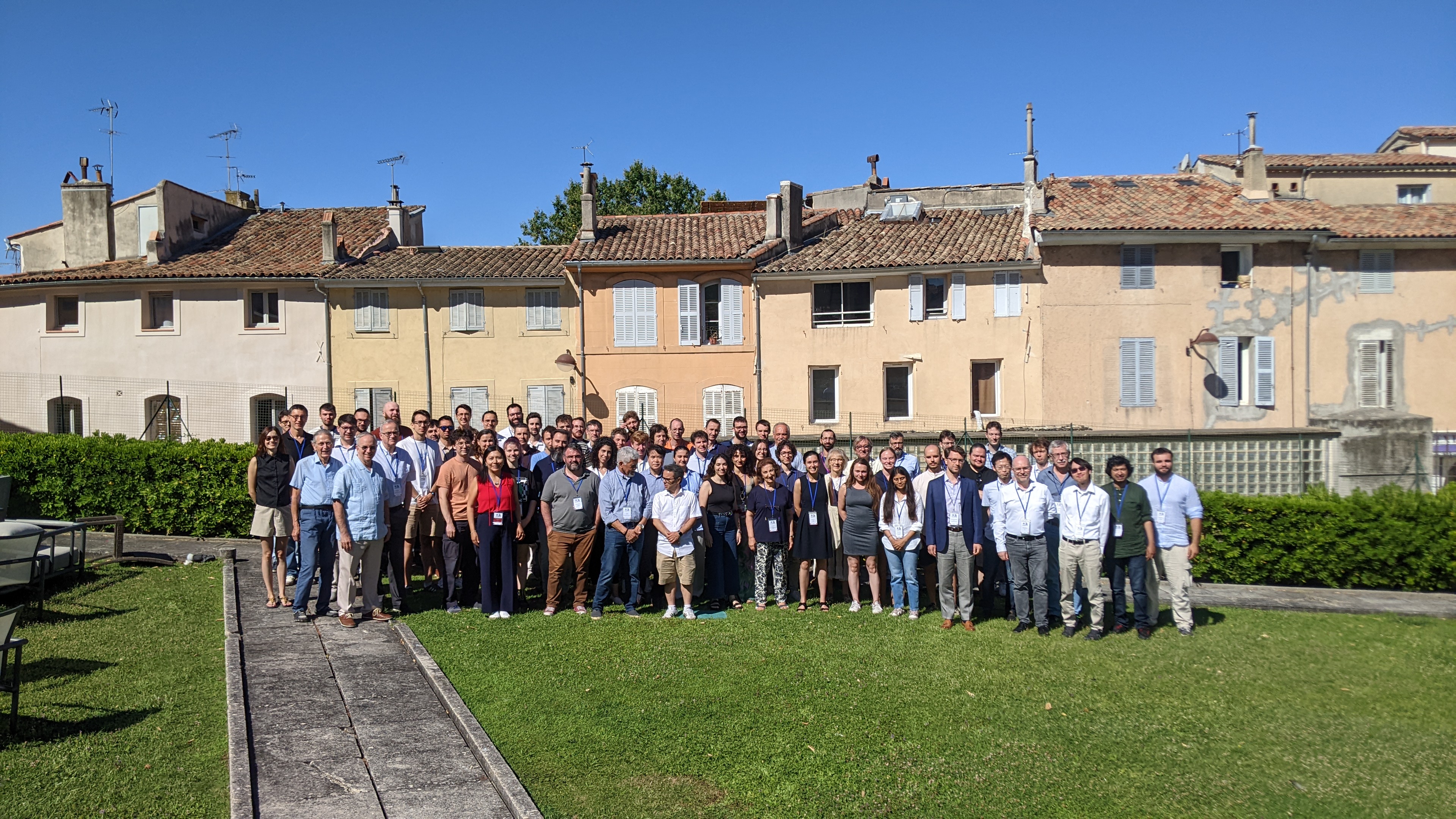
The 7th edition of the International Workshop On Nuclear Data Evaluation for Reactor Applications (WONDER-2026), organized by CEA IRESNE with the help of the CEA Cadarache center, will be held at the Aquabella hotel in Aix-en-Provence, France. The workshop starts on June 29, 2026, at noon and ends on July 3, 2026, at 2 pm. This workshop is the continuation of a series of workshops held in 2006, 2009, 2012, 2015, 2018 and 2023 (see the proceedings of the previous workshops). The main objective of the workshop is to review the current modeling and evaluation methods of nuclear data for reactor applications (both operational and future nuclear installations) and to debate possible areas for improvement. The workshop language is English.
The following topics will be covered:
- Nuclear Data Needs for Reactor Applications
- Microscopic and Integral Nuclear Data Measurements
- Evaluation of Nuclear Data (Theories, Models, Codes)
- Uncertainties and Covariance Matrices (methodology and impact on reactor calculations)
- Processing and Benchmarking
- Thermal Scattering Laws
- Decay Data
- Nuclear Fission, including Prompt Particle Emission and Fission Yields
All detailed information for the workshop is displayed on the General information and important dates page.



-
-
12:00 PM
→
1:30 PM
Lunch 1h 30m
-
1:30 PM
→
1:55 PM
Introduction
- 1:30 PM
-
1:40 PM
Presentation of IRESNE 15mSpeaker: Jean-Michel Ruggieri (CEA)
-
1:55 PM
→
4:00 PM
Microscopic and Integral Measurements IConvener: Gilles Noguere (CEA)
-
1:55 PM
Recent Nuclear Data Measurements and Evaluation Activity at RPI 25mSpeaker: Yaron Danon (Rensselaer Polytechnic Institute)
-
2:20 PM
Measurements of fission cross sections of 235U at the KURNS-LINAC 20mSpeaker: Kazushi Terada (Kyoto University)
-
2:40 PM
Measurements of Neutron-Induced Fission Cross Sections by Prompt Neutron Detection at J-PARC MLF ANNRI 20m
Neutron-induced fission cross sections are among the most fundamental and important nuclear data in nuclear science and engineering. In particular, with the increasing adoption of MOX fuel and the trend toward higher burnup in nuclear reactors, there is a growing demand for accurate nuclear data on minor actinides (Mas) such as americium (Am) and curium (Cm). Despite the importance of these nuclides, the accuracy of fission cross section data for these nuclei remains insufficient, and these nuclides continue to be listed in the High Priority Request List of Nuclear Data by OECD/NEA.
Most experimental studies of fission cross sections have relied on detecting fission fragments using fission ionization chambers. While this method has been widely used, it suffers from several inherent limitations. In particular, uncertainties due to self-absorption of fission fragments within the sample and background contributions from the intense α-decay of MA nuclei would significantly affect measurement accuracy. This issue also imposes constraints on the sample thickness and weight, consequently thereby limiting the achievable counting statistics.
To overcome these issues, the present study focuses on the measurement of prompt neutrons emitted immediately after nuclear fission. Plastic scintillators (EJ276D), which are selectively sensitive to fast neutrons and enable neutron–gamma discrimination, were employed as neutron detectors. A detection system consisting of multiple EJ276D detectors was installed at the ANNRI beamline of the Materials and Life Science Experimental Facility (MLF) in J-PARC. Using the pulsed neutron beam provided by MLF, preliminary neutron-induced fission cross sections of 241Am and 245Cm were measured in the neutron energy range from thermal energies up to several eV. This presentation will provide a detailed description of the experimental setup, analysis procedure and results.Speaker: Shunsuke Endo (Japan Atomic Energy Agency) -
3:00 PM
Neutron-induced fission and activation studies of NTUA at the neutron facility of NCSR “Demokritos” 20m
Studies of neutron-induced reactions are of considerable significance, both for their importance to basic research in nuclear physics as well as for practical applications in nuclear technology, medicine and industry. These tasks require improved nuclear data and higher precision cross sections for neutron-induced reactions on various isotopes.
In this framework, over the past 15 years, an extensive study of neutron-induced reaction cross-sections has been carried out at the neutron beam facility of the National Centre for Scientific Research (NCSR) “Demokritos” by the Nuclear Physics Group of the National Technical University of Athens (NTUA). The measurements were carried out with quasi-monoenergetic neutron beams produced via charged particle reactions on solid and gas targets. For the fission cross section measurements, the detection of the fission fragments was achieved with the use of Micromegas detectors, while for the activation measurements, the induced γ-ray activity of the samples was measured off-line by HPGe detectors of 80%, 50% and 16% relative efficiency. Special attention was given to the characterization of the neutron beam and the estimation of the parasitic neutrons, through experimental techniques as well as Monte Carlo simulations of the neutron beam and experimental setup. Furthermore, statistical model calculations using the codes EMPIRE and TALYS are usually performed on a wide energy range for the measured data as well as for the data reported in literature. Many experimental data of these measurements have been published and are available in the Experimental Nuclear Reaction Data library (EXFOR), providing important constraints to subsequent evaluations.
.
An overview of the above-mentioned fission and activation measurements at this facility will be presented and discussed.
.Speaker: Roza Zanni Vlastou (National Technical Univ. of Athens (GR)) -
3:20 PM
Analysis of Xenon-131 Prompt Gammas from Thermal Neutron Capture on Xenon-130 20m
Isotopically enriched xenon-130 was irradiated in a high-purity quartz ampule to produce xenon-131 and prompt gammas. Of the previously known 13 prompt gammas [1], 12 were measured with 85 newly observed gammas, whose energy distribution was in qualitative agreement with Monte-Carlo nuclear simulations [2]. Using the coincidences of the gammas, 21 new energy levels of the xenon-131 nucleus were measured up to 6.604 MeV. From the decay patterns, the parity of most new states was determined.
[1] IAEA Prompt Gammas, https://www-nds.iaea.org/pgaa/pgaa7/isol/Xe-130.htm
[2] DICEBOX, M. Krticka, S. Valenta, https://www-nds.iaea.org/dicebox/Speaker: Andrew Rosen (The University of Texas at Austin)
-
1:55 PM
-
4:00 PM
→
4:30 PM
Coffee Break 30m
-
4:30 PM
→
6:35 PM
Evaluation of Nuclear Data (theory, models, codes) IConvener: Roberto Capote (Suncoast Data Evaluation)
-
4:30 PM
From Criticality Safety to Advanced Reactors: The Evolving Role of the NCSP and DNCSH in Nuclear Data Development 25mSpeaker: Luiz Leal (ORNL)
-
4:55 PM
The Radiation Safety Information Computational Center (RSICC): An International Nuclear Science Information Center 20mSpeaker: Timothy Valentine (Oak Ridge National Laboratory)
-
5:15 PM
New Fit of Thermal Neutron Constants for Standards 20m
The thermal neutron constants (TNC) of the major fissile nuclides and the neutron multiplicity of the Cf-252(sf) anchor the neutron data standards. The adopted TNC 2017 standards [1] relied on the iterative Generalized Least Squares (GLS) evaluation of Axton [2]. The TNC 2017 fit combined the Axton's microscopic database with the Lounsbury/Beer [3,4] and Adamchuk [5] alpha (fission to capture ratio) measurements within the GMAP fit but did not revisit the Axton database itself. Since then, additional measurements -several predating the 2017 evaluation- have been brought into consideration, and some assumptions are now better understood, in particular the distinction between bound-atom (SCA) and rolled-metal (SCR) scattering cross sections. In this contribution, we report on a new fit including mean values and uncertainties. We first elaborate on the reproduction of Axton 1986 with our own implementation of the iterative GLS approach. We then propagate the database revisions agreed during recent standards consultations: additional alpha, capture, and total cross-section measurements, SCA/SCR reclassification of total cross section data, and the use of comprehensive bound-coherent scattering lengths with a clean determination of SCA. We discuss the resulting shifts, their consistency with the 2017 standards, with Duran recommendations [6] and with capture cross sections derived independently from R-matrix fits in current evaluated libraries, and the open questions, particularly for Pu-241.
[1] A.D. Carlson et atl, Nucl. Data Sheets 148 (2018) 143-188
[2] E.J.Axton, "Evaluation of the thermal constants of U-233, U-235, Pu-239, Pu-241 and the fission neutron yield of Cf-252", EC JRC Geel, CBNM, Report GE/PH/01/86.
[3] M. Lounsbury, R.W. Durham, G.C. Hanna, “Measurements of Alpha and Fission Ratios for 233U, 235U
and 239Pu at Thermal Energies,” in Proc. Second Int. Conf. organized by IAEA (Helsinki, 15-19 June 1970), Nuclear Data for Reactors,Report STI/PUB/259, Vol. 2, 287 (1972).
[4] M. Beer, M.H. Kalos, H. Lichtenstein, H.A. Steinberg, E.S. Troubetzkoy, “Monte Carlo Analysis of 2200 m/sec Alpha Values of Fissile Nuclides,” Trans. Am. Nucl. Soc. 23, 509 (1972); see also “A Monte Carlo Analysis of a Chalk River Experiment on Cross Sections of Fissile Nuclides,”Report EPRI-NP-163,Electric Power Research Institute (1975).
[5] Yu.V. Adamchuk, M.A. Voskanyan, G. Georgiev, A.L. Kovtun, G.V. Muradyan, N. Stancheva, N. Chikov, N. Yaneva, Yu.G. Shchepkin, “Measuring of 235U alpha value at a Thermal Point,” At. Energiya 65, 434 (1988) (in Russian).
[6] I. Duran, R. Capote, and G. Schnabel, "Integral References for neutron-induced reactions on 233,235U and 239,241Pu at thermal and resolved-resonance ranges", Nuclear Data for Science and Technology conference NDST2025, Madrid, June 2025. To be published.Speaker: Gilles Noguere (CEA) -
5:35 PM
ENDF developments beyond ENDF/B-VIII.1 20mSpeaker: Gustavo Nobre (Brookhaven National Laboratory)
-
5:55 PM
Joint Evaluated Fission and Fusion project: JEFF-4.0 nuclear data library and beyond 20m
The Joint Evaluated Fission and Fusion (JEFF) Nuclear Data Library is a collaboration among the OECD Nuclear Energy Agency (NEA) Data Bank participating countries with the aim to create a common set of evaluated nuclear data. This data is not only for fission and fusion applications but also for domains such as space and earth exploration, medical isotope production, and nuclear science. The latest JEFF nuclear data library, JEFF-4.0, was released in 2025, culminating 8 years of effort to create the most comprehensive dataset to date. This presentation provides a detailed overview on the advancements brought by JEFF-4.0 in comparison to former library versions as well as its performance in a broad range of application cases. Main priorities identified by the JEFF project towards the enhancement of the nuclear data library are described alongside the associated strategies for addressing them. The NEA Data Bank modernised infrastructure has strongly supported the JEFF‑4.0 release, and the presentation highlights how this updated environment — including the new processing pipeline — benefited its development.
Speaker: Antonio Jiménez-Carrascosa (OECD Nuclear Energy Agency) -
6:15 PM
Current Initiatives in WPEC Nuclear Data Activities 20mSpeaker: Anastasia Georgiadou (OECD Nuclear Energy Agency)
-
4:30 PM
-
12:00 PM
→
1:30 PM
-
-
8:45 AM
→
10:15 AM
Nuclear Fission (prompt particle emission, fission yields) IConvener: Olivier Litaize (CEA)
- 8:45 AM
- 9:10 AM
-
9:35 AM
Experiments on the spontaneous fission of Cm-248 using the fission spectrometer VERDI 20mSpeaker: Ali Al-Adili
-
9:55 AM
Direct Measurement of Independent Isotopic Fission Yields of 252Cf by Mass Spectrometry 20mSpeaker: Heinrich Wilsenach (Hebrew University of Jerusalem)
-
10:15 AM
→
10:45 AM
Coffee Break 30m
-
10:45 AM
→
12:30 PM
Microscopic and Integral Measurements IIConvener: Yaron Danon (Rensselaer Polytechnic Institute)
-
10:45 AM
Overview of the n_TOF nuclear data activities 25mSpeaker: Maria Diakaki (NTUA)
-
11:10 AM
Final results of the 239Pu capture and fission cross section measurements at n_TOF (CERN) 20mSpeaker: Adrian Sanchez Caballero (CIEMAT - Centro de Investigaciones Energéticas Medioambientales y Tec. (ES))
-
11:30 AM
Measurement of the 241Pu neutron capture-to-fission cross section ratio at n_TOF 20mSpeaker: Aline Cahuzac (CEA, DRF/IRFU, Université Paris-Saclay, Gif-sur-Yvette, France)
-
11:50 AM
New high-resolution measurement of 56Fe(n,γ) cross-section at CERN’s n_TOF facility. 20m
The neutron capture cross-section of Fe-56 is important for many applications. In nuclear technology Fe is a fundamental structural material. Thus, all its neutron interaction probabilities are important for calculations for reactor design, criticality benchmarks as well as shielding. In stellar nucleosynthesis, it is the seed of the s-process, determining the neutron to seed ratio, strongly affecting the s-process production up to Sr.
In the past decades, measurement of Fe-56(n, gamma) cross-section has been carried out at facilities across the world in various energy ranges. The latest Fe-56 evaluations like INDEN principally rely on data that is several decades old.
We present a new measurement conducted at the Experimental Area 1 (EAR1) of the neutron Time-of-Flight experiment, n_TOF, located at CERN. n_TOF is dedicated to the measurement of neutron reaction cross-sections by the time-of-flight technique. EAR1 with its 185 m flight path, offers a high particle luminosity, low background, and very high resolution in neutron energy.
Combined with the extremely low neutron sensitivity of its custom-made liquid scintillation detection system, the aim of this measurement is to make available to the nuclear data community the most accurate and precise measurement of the said cross-section in the neutron energy range up to the inelastic threshold (~850 keV), with an emphasis on the broad s-wave resonance at 28 keV, which has been specifically challenging to measure in the past.Speaker: Aparna Basavaraja Allannavar (Universitat Politecnica Catalunya (ES)) -
12:10 PM
50Cr and 53Cr (n,γ) cross section measurements at n_TOF and HiSPANoS 20m
Due to its significant presence in stainless steel, chromium plays a crucial role in criticality safety benchmarks focused on structural materials. The found discrepancies of ~30% in the neutron capture cross sections of $^{50}$Cr and $^{53}$Cr have an impact of about 1% on k-eff [1]. This issue was highlighted in the latest evaluation (INDEN), which proposed an important increase of these cross sections [2] but called for new data to confirm or deny it. For this reason, the Nuclear Energy Agency (NEA) opened an entry in its High Priority Request List (HPRL) [3] to measure the $^{50,53}$Cr(n,$\gamma$) cross sections with an accuracy of 8 to 10% between 1 and 100 keV, with emphasis on the region below 10 keV.
As a response to the request, two measurements have been performed. First, a time-of-flight measurement was performed at the EAR1 of CERN n_TOF facility [4], where the capture yield of both isotopes was measured with C$_6$D$_6$ detectors. An analysis performed with SAMMY [5] has led to a new set of proposed resonance parameters. Additionally, a neutron activation measurement of $^{50}$Cr was performed at the HiSPANoS facility of CNA [6] to determine its MACS at kT=30 keV for the first time. The results from both experiments are consistent and point to a clear overestimation in the new INDEN evaluation by 20-40% for both isotopes. Here we present a description of both measurements, the results obtained and their potential implications in future re-evaluation efforts of these chromium isotopes.[1] Trkov A., INDC (NDS)-0751 (2018)
[2] Nobre. et al., Nuclear Data Sheets, 173, 1 (2021)
[3] Dupont E. et al., EPJ Web of Conferences. 239, 15005 (2020)
[4] Guerrero C. et al., The European Physical Journal, 49, 1 (2013)
[5] N. M. Larson, Technical report ORNL/TM-9179/R8 (2008)
[6] Macías M. et al., Radiation Physics and Chemistry, 168, 108538 (2020)Speaker: Pablo Pérez Maroto (Universitat Politècnica Catalunya (ES))
-
10:45 AM
-
12:30 PM
→
2:00 PM
Lunch 1h 30m
-
2:00 PM
→
4:00 PM
Microscopic and Integral Measurements IIIConvener: Maria Diakaki (NTUA)
-
2:00 PM
Preparation of the measurement of the 39K(n, cp) reaction cross section at n_TOF 20mSpeaker: Krzysztof Stasiak (University of Lodz (PL))
-
2:20 PM
Prompt Gamma Spectroscopy Results for the 88Zr(n,γ) Reaction: New Cascade Identifications and Implications for the Anomalous Thermal Neutron Capture Cross Section 20m
Past measurements have suggested that 88Zr(n,γ)89Zr may exhibit an anomalously large thermal neutron absorption cross section, with reported values far exceeding prior expectations and placing it among the largest known thermal capture cross sections for long-lived nuclides. As a neutron-deficient, radioactive isotope that is neither naturally abundant nor a common fission product, 88Zr occupies a region of the chart of nuclides with limited experimental constraints, making direct capture measurements particularly significant for both nuclear stockpile stewardship and medical isotope applications.
To investigate the capture behavior of 88Zr, prompt gamma-ray spectroscopy measurements were performed using the FIPPS spectrometer at the Institut Laue-Langevin (ILL). The experiment focused on identifying prompt γ-ray cascades following neutron capture and establishing the first direct prompt-gamma spectroscopic signatures associated with 88Zr(n,γ). Analysis of the FIPPS campaign data has revealed previously unobserved transitions and new cascade pathways in 89Zr, providing important constraints on the capture mechanism and level scheme.
This work presents the first prompt-gamma results from the FIPPS 88Zr campaign, including newly identified γ transitions and cascade structures, and discusses their implications for resolving discrepancies in reported thermal neutron absorption cross sections and for improving nuclear data evaluations of this isotope.
Speaker: Ashley Baklarz -
2:40 PM
Measurement of the Total 40Ar(n,2n)39Ar and 41Ar(n,γ)42Ar Reaction Cross Sections 20m
Abstract: We investigated the production cross section of two long-lived isotopes of argon, $^{39}$Ar (268 y) and 42Ar (33 y), produced respectively by the $^{40}$Ar(n,2n)$^{39}$Ar and the $^{40}$Ar(n,$\gamma$)$^{41}$Ar(n,$\gamma$)42Ar reactions. The radioactive isotope $^{39}$Ar is widely used for dating and tracing groundwater, ocean water, and ice. It is also important for monitoring nuclear weapons tests. In this work, the total cross section of the main atmospheric production reaction, $^{40}$Ar(n,2n)$^{39}$Ar, was measured for the first time using 14.8 MeV neutrons. The neutrons, generated by a deuterium–tritium neutron source at Helmholtz Zentrum Dresden Rossendorf, irradiated a stainless-steel sphere filled with enriched $^{40}$Ar gas, and the neutron flux was monitored using fast-neutron activation foils. The reaction yield was determined by noble-gas accelerator mass spectrometry at Argonne National Laboratory and independently by low-level decay counting (LLC) relative to the $^{39}$Ar activity of atmospheric argon. The measured total cross section of the $^{40}$Ar(n,2n) reaction was found to be 610±100 mb [1]. Using energy-dependent cross sections from independent theoretical calculations together with measured cosmogenic-neutron spectra at different altitudes, the global atmospheric production areal rate of $^{39}$Ar is estimated to be 770±240 atoms/cm2/day. The $^{42}$Ar nuclide was produced by a 6 days irradiation of ampoules filled with enriched $^{42}$Ar gas at the high-flux reactor of Institut Laue-Langevin, together with selected monitors for neutron fluence monitoring. After appropriate radioactive cooling, the irradiated gas was transferred to separate cylinders. The $\gamma$-activity growth curve of $^{42}$K (12 hr), $\beta$-daughter of $^{42}$Ar was followed and the $^{42}$Ar-$^{42}$K secular equilibrium activity was established. Results of the $^{41}$Ar(n,$\gamma$)$^{42}$Ar thermal neutron cross section, determined from this activity and the measured neutron fluence will be presented.
[1] S. Bhattacharya et. al., Geochimica et Cosmochimica Acta. 415 196 (2026).
Speaker: Sutanu Bhattacharya (Racah Institute of Physics, Hebrew University of Jerusalem, Israel) -
3:00 PM
Nuclear criticality safety relevant data with the DICER instrument at LANSCE 20mSpeaker: Thanos Stamatopoulos (Los Alamos National Laboratory)
-
3:20 PM
133Cs(n,γ) cross section measurement with DANCE 20m
Caesium-133 is an important fission product for burnup credit as it plays a role in the transmutation of $^{135}$Cs. Neutron-induced cross sections in $^{133}$Cs have been investigated in reference [1]. There are no capture cross section data available in EXFOR describing the resonances in the Resolved Resonance Region. As $^{133}$Cs has a high capture cross section, an accurate measurement of the $^{133}$Cs(n,γ) cross section is needed for precise calculations. CEA reactivity worth calculations in the Minerve experimental reactor showed that the capture cross section in the JEFF evaluation overestimates measured capture rates by 5.5% with 1.5% uncertainty. The burnup credit model is sensitive to the $^{133}$Cs capture cross section from thermal up to 1 keV, therefore cross section data in this energy region would be most important for burnup credit analysis. Also, the latest evaluated data files do not provide cross section covariance information for $^{133}$Cs; new data providing cross section covariance information, would benefit burnup credit analysis by enabling the propagation of cross section uncertainties to calculated keff values. In response to all these needs, a new measurement of the $^{133}$Cs(n,γ) cross section was proposed at the Los Alamos Neutron Science Center (LANSCE) in the scope of the Nuclear Criticality Safety Program (NCSP). The $^{133}$Cs(n,γ) reaction was measured using the Detector for Advanced Neutron Capture Experiments (DANCE) at the thermal and resonance regions, taking advantage of the new Mark-IV spallation target recently installed at LANSCE, that increases the neutron flux in the keV region [2]. The experiment and preliminary results are here presented.
[1] L. C. Leal et al., Assessment of Fission Product Cross-Section Data for Burnup Credit Applications,ORNL/TM-2005/65 (2007).
[2] E. Leal-Cidoncha et al., Neutron flux in flight path 14, LA-UR-24-23224 (2024).Speaker: Esther Leal Cidoncha (Los Alamos National Laboratory) -
3:40 PM
Impact of nuclear data uncertainties to the effective kinetic parameters of VENUS-F used for reactivity measurements 20m
Reactivity measurements in research reactors serve a dual purpose. First, they are essential to ensure safe reactor operation and to evaluate safety margins. Second, they are used to study the reactor responses to applied perturbations and to characterize sample materials. Any of these measurements depends on the description of the reactor transient behavior. Under a number of simplifying assumptions, the point kinetic equations reduce the full transient neutron transport to a time dependent relationship between neutron flux amplitude and reactivity. This simplification is made possible through the use of effective kinetic parameters, such as the prompt neutron lifetime (Λ_eff) and the effective delayed neutron fraction (β_eff), which represent the system averaged prompt and delayed neutron behavior. These parameters can be calculated in Monte Carlo simulations using the Iterated Fission Probability (IFP) method and they are sensitive not only to delayed neutron data but also to the nuclear data used in the transport simulation.
VENUS F is a fast, zero power research reactor where, among others, a wide range of reactivity measurements are performed. Effective kinetic parameters β_eff and Λ_eff from Serpent2 calculations are commonly employed in the experimental data analysis. The objective of this work is to quantify the impact of nuclear data uncertainties on the calculated kinetic parameters and how they propagate to the actual results of VENUS F reactivity experiments.
The analysis is performed through stochastic sampling of the nuclear data relevant for the effective kinetic parameters, by generating random nuclear data samples to perform uncertainty quantification of the kinetic parameters. The impact of those uncertainties is evaluated for selected reactivity measurements performed at the VENUS-F facility. Measurements carried out using the oscillation technique rely on the kinetic parameters to reconstruct sample reactivity worth. Therefore, their contribution to the overall experimental uncertainty budget must be quantified. In this study, data from a previous experimental campaign measuring the reactivity worth of a B4C sample are analyzed. Finally, reactivity results including kinetic parameter uncertainties are compared across different nuclear data libraries. Previous studies have shown that kinetic parameters from different libraries can lead to noticeable differences in the measured reactivity. This work investigates whether those discrepancies persist once nuclear data uncertainties are explicitly accounted for.Speaker: Federico Di Croce (Belgian Nuclear Research Centre SCK CEN)
-
2:00 PM
-
4:00 PM
→
4:30 PM
Coffee Break 30m
-
4:30 PM
→
5:10 PM
Microscopic and Integral Measurements III
-
4:30 PM
235U, 237Np and 232Th fission rate traverse measurements at VENUS-F for nuclear data validation and oscillation experiments 20m
Nuclear data benchmarking is often oriented towards criticality experiments. While such measurements represent a crucial pillar of the process providing evaluators with insight on the quality of fuel-related nuclear data, these experiments are often less informative about other nuclear data. Local measurements can be considered to gather the needed complementary information. Such experiments serve a twofold purpose: they can be tailored to be sensitive to different nuclear data, while being ideal characterization measurements that help gain trust in the whole complex of experimental and model results produced at a research facility. Fission rate traverse experiments (i.e., spatially resolved fission rate measurements from the active core to the reflector) are useful observables in this context.
We present 235U, 237Np and 232Th fission rate traverse measurements performed with fission chambers in the VENUS-F fast reactor within the VALUE project. The results of 235U are relevant for the epithermal and fast spectrum, while those of 237Np and 232Th are interesting for the information they give on the fast spectrum. The purity of the latter fission chambers allows us to achieve reliable results up to the core reflector. There, the significant epithermal spectrum tail could otherwise induce significant fissions in common impurities (e.g., 235U and 239Pu) with a risk of spoiling the measurements. Precision in the fission chamber axial positioning is achieved thanks to its motorized movement. On top of allowing for full axial scan of the reactor core, this setup allows for rather flexible choice of the experiment location in the core lattice and eases the data processing thanks to the simultaneous acquisition of detector position and count rate.
As a main goal of this contribution, we present experimental results with the aim of providing the community with new data. The presented measurements are compared to observations in other fast (BFS ) and thermal (DIMPLE) systems. Calculation-to-experiment comparison for these measurements reflects the knowledge of the spectrum in one of the experimental channels used for oscillation experiments in VENUS-F. The presented results are then relevant on the side of nuclear data verification while contributing to the definition of a solid characterization ground for the future development of oscillation experiments in VENUS-F.Speaker: Federico Grimaldi (SCK CEN) -
4:50 PM
Determination of partial prompt gamma-ray cross-sections induced by fast neutron inelastic scattering using the FaNGaS instrument 20m
Nowadays, there is a huge interest and demand in fast neutron induced cross-section nuclear data for different fields in research and industry, spanning from chemical analysis of various samples to the design and optimization of the evolving technologies in the domain of GEN-IV fast neutron reactor systems and nuclear fusion technologies. Prompt Gamma Analysis based on Inelastic Neutron Scattering (PGAINS) is a promising method for such tasks. The PGAINS method is based on the measurement of isotope-specific prompt gamma-rays emitted from a nucleus left in an excited state after an inelastic interaction with a fast neutron, i.e. a (n,n´γ) reaction. The FaNGaS (Fast Neutron-induced Gamma-ray Spectrometry) instrument, installed at Heinz Maier-Leibnitz Zentrum (MLZ) in 2014, advances this non-destructive analytical technique and makes it available for a broad community of industry and research. Using the intense fission neutron beam delivered by the research reactor FRM II (Forschungs-Neutronenquelle Heinz Maier-Leibnitz) it allows not only to study the partial cross-section data for the (n,n´γ), (n,pγ) and (n,γ) reactions, but also opens new possibilities for the chemical analysis of large and dense samples. Currently, the only one existing data catalogue of such reactions is the “Atlas of Gamma-rays from the Inelastic Scattering of Reactor Fast Neutrons”, published in 1978 by Demidov et al. This data compilation is valuable, however, to the best of our knowledge, it was yet never validated. Therefore, further measurements of pure elements are required. Moreover, modern detection instrumentation and optimized FANGAS instrument configuration allow for an improved analytical sensitivity compared to that of the 1970s. In this work, we introduce the FaNGaS instrument and report on the results of the fast neutron induced partial cross-section data assessment for 25 elements.
Speaker: Iaroslav Meleshenkovskii
-
4:30 PM
-
5:10 PM
→
6:30 PM
Evaluation of Nuclear Data (theory, models, codes) IIConvener: Gustavo Nobre (Brookhaven National Laboratory)
-
5:10 PM
Past, present and future of the finite range liquid drop model 20mSpeaker: Alessandro Pastore (CEA Cadarache)
-
5:30 PM
DARN: A tool for nuclear data roundtrip adjustment and its application to the NEA subgroup 52 exercise 20mSpeaker: Andry Monlon (Laboratory for Reactor Physics and Systems Behavior, EPFL, 1015 Lausanne, Switzerland)
-
5:50 PM
Uncertainty quantification of neutron induced cross-section of Zr-90 with model defect treatment using Nuclear Data Evaluation Pipeline of Uppsala (NEPU) 20m
Zirconium-90 is the most abundant isotope in natural zirconium, a material that serves as fuel cladding and structural assembly component in the majority of operating nuclear reactors. Accurate neutron-induced cross-section data for Zr-90, together with reliable uncertainty and covariance information, are therefore directly relevant to reactor and burnup calculations.
We present an evaluation of Zr-90 neutron-induced cross-sections in the fast-energy range, carried out using the Nuclear Data Evaluation Pipeline of Uppsala (NEPU). NEPU is built around the TALYS nuclear reaction code [1] and a Bayesian statistical framework, in which a prior-aware Levenberg-Marquardt algorithm is used to locate the maximum a posteriori estimate of model parameters given experimental data from the EXFOR database. One methodological challenge is the presence of resonance structures in the measured cross-sections, at energies where TALYS operates in the statistical model regime and produces only a smooth mean curve. This results in residuals that are larger than the reported experimental uncertainties and, hence, if left unaccounted for, an underestimation of the uncertainty in the resulting TALYS model parameters. NEPU addresses this issue through a heteroscedastic Gaussian process (GP) that estimates an energy-dependent variation directly from the data distribution around the smooth model prediction [2, 3]. This variation is treated as an extra random uncertainty in the regression. Inconsistencies between datasets at the normalization level are handled separately through a marginal likelihood optimization procedure, which introduces additional systematic uncertainty components where the data require them.
In addition, several model parameters are allowed to become energy-dependent and are placed under GP priors with a physically motivated varying length scale. A further GP on the fit residual captures any remaining correlated model-data deviation and propagates it into the experimental covariance matrix.
In this work, the pipeline architecture, improved generalization and reproducibility, and results of the Zr-90 evaluations are presented.
References
[1] A. J. Koning and D. Rochman, Nucl. Data Sheets 113, 2841 (2012).
[2] G. Schnabel et al.,Nuc. Data Sheets 173, 239 (2021).
[3] A. Gook et al., EPJ Web Conf. 294, 04005 (2024).Speaker: Jinti Barman (Uppsala University) -
6:10 PM
Bayesian Inference using microscopic and integral measurements to infer nuclear data parameters 20mSpeaker: Daan Houben (SCK CEN)
-
5:10 PM
-
8:45 AM
→
10:15 AM
-
-
9:00 AM
→
10:00 AM
Nuclear Fission (prompt particle emission, fission yields) IIConvener: Diego Ramos (GANIL)
-
9:00 AM
Less or not at all investigated correlations between different fragment and prompt emission quantities 20mSpeaker: Anabella Cristina Tudora (University of Bucharest, Faculty of Physics)
- 9:20 AM
-
9:40 AM
Time and energy evolution of radiative emissions in the ²⁵²Cf spontaneous fission 20mSpeaker: Victoria Mary (CEA)
-
9:00 AM
-
10:00 AM
→
10:30 AM
Coffee Break 30m
-
10:30 AM
→
11:35 AM
Nuclear Fission (prompt particle emission, fission yields) IIConvener: Stephan Oberstedt
-
10:30 AM
High-energy neutrons in fission: catapult neutrons 25m
Dynamical fission calculations show that the post-scission configurations resemble two colinear pear-shaped fragments whose juxtaposed surface bulges subside relatively quickly, as the fragments acquire smoother shapes [1]. The associated rapid speed of the healing bulge surface may boost nucleons in the fragment to energies sufficient for emission. The present study explores this "catapult" mechanism proposed by Madler [2] by following the fate of nucleons that are reflected off the inwards moving bulge surface. Our simulations suggest that the mechanism may produce high-energy neutrons at the level of a few per cent with energies far in excess of typical evaporation neutrons. The calculations support the conclusion of Schulc et al. [3,4] that very energetic neutrons are emitted during fission, and their finding that the measured neutron spectrum dominates over the standard evaporation spectrum above ≈10 MeV.
[1] I. Abdurrahman, M. Kafker, A. Bulgac, and I. Stetcu, Neck Rupture and Scission Neutrons in Nuclear Fission, Phys. Rev. Lett. 132,242501 (2024).
[2] P. Madler, Catapult Mechanism for Fast Particle Emission in Fission and Heavy Ion Reactions, Z. Phys. A 321, 343 (1985)
[3] M. Schulc, M. Kostal, R. Capote, J. Simon, T. Czakoj, and E. Novak, Spectral averaged cross sections as a probe to a high energy tail of 235U PFNS, EPJ Web of Conf. 284, 04021 (2023).
[4] M. Schulc, M. Kostal, R. Capote, J. Simon, E. Novak, and T. Czakoj, High-energy neutron emission in thermal neutron-induced fission of 235U, Phys. Rev. C 109, 054616 (2024).Speaker: Roberto Capote (Suncoast Data Evaluation) -
10:55 AM
From Sudden Approximation to Dynamical Model: emission of Scission Neutrons from 235U(nth,f) 20m
The problem of scission neutron emission during fission is addressed in a microscopic approach. During scission, the internal degrees of neutrons are coupled to the fast-changing potential. This coupling depends on the time of transition ∆T between a deformed nucleus with a very thin neck and two just separated fragments. Each neutron
becomes a wave packet with components in the continuum and it is therefore partially emitted.
We present here scission neutron emission for the most probable mass division of $^{235}$U(n$_{th}$,f): $A_{L}$/$A_{H}$ = 96/140. In the sudden approximation, the neck rupture is instantaneous (∆T = 0 s) and the coupling is extremely diabatic. In a realistic case, the duration of the rupture is finite (e.g., ∆T = 2x10$^{-22}$ s). To follow the evolution of neutron-occupied states during scission, we solved the two-dimensional time-dependent Schrödinger equation with time-dependent potential. Some physical quantities such as primary fragment excitation energy, multiplicity and mean kinetic energy value of scission neutrons could be extracted; they are compared to those obtained in the sudden approximation approach.
In the particular case of ∆T = 2x10$^{-22}$ s, the experimental average neutron multiplicity (2.4 n/fission) could be reproduced as a sum of calculated scission and evaporated components. The scission neutron contribution to the total neutron multiplicity amounts to 18 %.
In addition, scission neutron spectrum is found to possess a high-energy tail extending beyond the limit of the evaporation spectrum (10 MeV). Thus, the existence of scission neutrons could be the source of the high energy (10 to 18 MeV) fission neutrons observed through high threshold dosimetry reactions.Speaker: Florian Guezet (CNRS LP2iB Université de Bordeaux) -
11:15 AM
Consistent fission yield evaluations before and after prompt neutron emission 20mSpeaker: Alessandro Regonesi
-
10:30 AM
-
11:35 AM
→
1:00 PM
Lunch 1h 25m
-
1:00 PM
→
6:30 PM
CEA Cadarache and ITER Visits 5h 30m
-
7:30 PM
→
10:30 PM
Conference Dinner at Vasarely Foundation 3h
-
9:00 AM
→
10:00 AM
-
-
8:45 AM
→
10:10 AM
Decay Data and Delayed NeutronsConvener: David Bernard (CEA/DES/IRESNE/DER/SPRC/LEPh)
-
8:45 AM
Contribution of the DDEP collaboration to the JEFF4 Radioactive Decay Data library 25mSpeaker: Xavier Mougeot
-
9:10 AM
Recent progress in experimental beta spectrometry at the LNE-LNHB 20m
Precise knowledge of beta spectra is of primary importance for numerous applications, including radioactive waste management, decay heat calculations, internal vectorized radiotherapy, and radionuclide metrology, as well as for fundamental studies in nuclear structure and neutrino physics. However, accurate theoretical descriptions of beta spectra remain challenging, particularly for forbidden non-unique transitions. Despite their significance, only a limited number of high-precision measurements have been carried out since the early days of nuclear physics. New experimental constraints are therefore required to benchmark and improve theoretical models describing beta decay spectra.
To address this need, the LNE-LNHB has been developing a dedicated 4π semiconductor-based detection system for high-precision beta spectroscopy. The setup was recently upgraded to extend its capabilities to high-energy beta transitions. In parallel, the analysis framework has been enhanced through the development of new unfolding algorithms aimed at recovering the emitted beta spectrum from experimental distortions and detector response effects. Preliminary results obtained with 147Pm and 90Sr/90Y sources will be presented, with particular emphasis on the determination of beta-decay Q-values.
Speaker: Sylvain Leblond (LNHB) -
9:30 AM
Bayesian Inference of Delayed Neutron Multigroup Constants: Application to 9 MeV 238U Photofission 20m
While delayed-neutron (DN) data from neutron-induced fission have been refined for decades, photofission DN data remain comparatively sparse. Current photofission evaluations rely on sequential peeling or non-negative least squares (NNLS), which cannot deliver the full parameter covariance matrices required by modern nuclear-data libraries.
We present a Markov Chain Monte Carlo (MCMC) sampling method to jointly estimate the six relative yields $\alpha_i$. Tested on a numerical-twin benchmark, this approach recovers every $\alpha_i$ within $2\,\%$ of the input values, reducing the relative bias compared to sequential iterative methods and capturing non-Gaussian correlations.
The method is currently applied to $9\text{ MeV}$ bremsstrahlung-induced photofission of $^{238}$U. Readily transposable to other actinides, it provides the consistent covariance matrices needed to exploit next-generation photon sources.
Speaker: Johann Piekar (CEA-LIST) -
9:50 AM
Simulation of a monoenergetic neutron source with GEANT4 20mSpeaker: Mathieu Boissier (CEA/DES/IRESNE/DER/SPRC/LEPh)
-
8:45 AM
-
10:10 AM
→
10:40 AM
Coffee Break 30m
-
10:40 AM
→
12:20 PM
Microscopic and Integral Measurements IVConvener: Thanos Stamatopoulos (Los Alamos National Laboratory)
-
10:40 AM
Improving nuclear data for iron: results and outlook from GELINA experiments 20m
Accurate neutron-induced reaction data on iron are essential for both fundamental nuclear physics and a wide range of applications, particularly in nuclear energy systems where iron is a major structural material. Despite its importance, discrepancies among evaluated nuclear data libraries and remaining experimental gaps, especially in the fast neutron energy region, limit the reliability of simulations for advanced reactor concepts.
To address these issues, comprehensive experimental campaigns have been carried out at the GELINA facility over the last few years, targeting key neutron-induced reactions on iron isotopes. Neutron elastic scattering angular distributions have been measured on natFe, 54Fe, and 56Fe using the ELISA spectrometer, enabling the extraction of differential and angle-integrated cross sections over a broad energy range. Additionally, inelastic scattering measurements have been performed on 54Fe, 56Fe, and 57Fe using the GAINS array, as well as on 57Fe with the GRAPhEME setup, providing detailed information on excited nuclear states.
Moreover, neutron transmission measurements on natural iron samples of varying thicknesses have been conducted to constrain total cross sections, while neutron capture measurements further complement the reaction database. The combination of these experimental approaches allows for a consistent and comprehensive investigation of neutron interactions with iron across multiple reaction channels.
In this contribution, an overview of the experimental program, analysis methodologies, and selected results will be presented, highlighting their impact on the improvement of evaluated nuclear data libraries. The outlook for ongoing and future measurements will also be discussed, with emphasis on reducing remaining uncertainties and resolving discrepancies in existing evaluations.Speaker: Georgios Gkatis (EC-JRC) -
11:00 AM
Neutron scattering cross-section measurements of Pb-208 with ELISA 20mSpeaker: Jisk Knijpstra
-
11:20 AM
High-resolution neutron scattering cross section measurements with the upgraded ELISA at GELINA 20m
At the JRC GELINA facility, an extensive experimental program on neutron-induced scattering cross sections is being carried out with the ELISA (ELastic and Inelastic Scattering Array) setup. The original version of the array included a 235U fission chamber for the measurement of the incoming neutron flux and 32 organic liquid scintillators for the detection of the scattered neutrons. The detectors are placed in eight different scattering angles, which allows the user to extract the total and the differential cross section. As of recently, the setup has been upgraded by the addition of 6Li-glass detectors, in an attempt to extend the low-energy neutron detection limit below 1 MeV. To commission the new components of the setup, neutron elastic scattering measurements on natC were performed.
Carbon is widely used in nuclear technology, particularly in reactors where graphite is used as a moderator and reflector. It is also considered for structural applications in advanced reactor designs. Therefore, accurate neutron data are essential for their safe and efficient operation.
On the other hand, numerous laboratories use measurements of the neutron elastic scattering cross section of carbon to calibrate detectors, assess their stability, and validate experimental results. Carbon is suitable for such applications due to the cross section being accurately known with an uncertainty less than 1% up to 4.8 MeV incident neutron energy. Additionally, the IAEA (International Atomic Energy Agency) indicates the differential cross section as a standard for neutron energies of 1 keV to 1.8 MeV.
In this presentation, the analysis procedure along with preliminary results for the differential cross section of neutron elastic scattering by natC will be presented.
Speaker: Anna Karakaxi (CEA Cadarache) -
11:40 AM
Activation cross section measurements of short-lived reaction products on Mo, Ge and Au isotopes induced by 16 to 20 MeV neutrons 20m
The study of short-lived neutron induced reaction products is crucial for improving the nuclear reactor and astrophysical nucleosynthesis models. Short-lived residual nuclei only exist for a few minutes, or even seconds, and due to the difficulty in measuring short-lived activities, the data available in literature present high discrepancies and consequently can cause significant uncertainties in current nuclear evaluation databases. In this work, cross section measurements of neutron-induced reactions leading to short-lived products have been performed to improve data accuracy for the reactions 97Mo(n,p)97m1Nb, and 98Mo(n,p)98Nb isotopes, 197Au(n,3n)195Au and 197Au(n,n’)197mAu, 74Ge(n,p)74Ga and 76Ge(n,2n)75mGe, with half-lives ranging from as short as 3 seconds to approximately 500 seconds. The 3H(d,n)4He reaction has been used at the 3.5 MeV Tandem Van de Graaff accelerator at the “MONNET” facility of JRC-Geel in Belgium, to produce neutron beams with energies above 15 MeV for these measurements, carried out by means of the activation technique. A newly installed automated pneumatic system (Rabbit) was used for sample irradiation, rapid transport and subsequent radioactivity measurements to limit the decay of the radioactive products between irradiation and measurement. Cyclic activations were carried out to increase the counting statistics. Thin metallic foils of high purity Au, and highly enriched Mo and Ge samples, provided by the CERN n_TOF collaboration, were utilized. Reference samples of Al were used, and specifically the reference reaction 27Al(n,p)27Mg, in the determination of the neutron flux at the target position. After the completion of each irradiation, the activity of the targets and the reference foils were measured using HPGe detector. The newly obtained data would significantly reduce discrepancies among evaluated nuclear data libraries and contribute to improved reliability in applications requiring accurate neutron-induced reaction cross sections.
Speaker: Zoi Bari (National Technical University of Athens) -
12:00 PM
²⁴²Pu and ²⁴⁰Pu neutron-induced fission cross section in the 1-2 MeV energy range using ¹H(n,n) standard 20mSpeaker: Salma El Hessak (Laboratoire de Physique des Deux Infinis de Bordeaux CNRS Univ. Bordeaux)
-
10:40 AM
-
12:20 PM
→
1:50 PM
Lunch 1h 30m
-
1:50 PM
→
4:00 PM
Uncertainties and Covariance Matrices (methodology and reactor calculation impacts)Convener: Grégoire Kessedjian
-
1:50 PM
Uncertainty propagation of nuclear data: how and what for? 25mSpeaker: Oscar Cabellos (Universidad Politécnica de Madrid)
-
2:15 PM
Fuel decay heat : Nuclear Data Needs from EDF perspective & Nuclear Data uncertainty propagation using CEA’s next generation fuel inventory code MENDEL 25mSpeaker: Oystein Bremnes (EDF)
-
2:40 PM
ENDF/B-VIII.0 nuclear data uncertainty propagation with CASMO-5 on spent nuclear fuel 20m
Accurate estimation of spent nuclear fuel (SNF) nuclide inventory is of great importance for safety aspects of the back-end of the nuclear fuel cycle. In this regard, it is necessary to assess the impact of nuclear data uncertainties on SNF inventories.
A PWR UO2 post-irradiation-examination (PIE) fuel rod sample for which experimental data are available has been studied within the Sub-Groups 7[1], 10[2] and 15[3] of the Working Party on Nuclear Criticality Safety (WPNCS) of the OECD Nuclear Energy Agency (NEA).
Within this framework, ASNR has performed CASMO-5 [4] calculations on this sample using ENDF/B-VII.1 and ENDF/B-VIII.0 nuclear data libraries and has first analysed the Calculation-over-Experiment (C/E-1) values for nuclides mainly important in burnup credit methodologies [5]. In a second step, the nuclear data uncertainties have been propagated to the concentrations results, and their impact on the C/E-1 biases has been studied. The total nuclear data uncertainty, as well as the individual contributions of the cross sections and nu-bar, fission yields, and decay data, have been propagated using the random sampling method of CASMO, using the ENDF/B-VIII.0 nuclear data covariances. The results are summarized and discussed in this paper.[1] NEA (2023), WPNCS, SG7, Synthesis of the subgroup 7 activities: Specification of a benchmark on Sensitivity / Uncertainty Analysis for PWR UOx spent nuclear fuel
[2] WPNCS, SG10, Synthesis of the subgroup 10 activities: Phase I of Nuclear data uncertainties quantification on spent fuel inventory – OECD Pending publication
[3] WPNCS, SG15, Synthesis of the subgroup 15 activities: Phase II of Nuclear data uncertainties quantification on spent fuel inventory – OECD Pending publication
[4] J. Rhodes, K. Smith, and D. Lee, “CASMO-5 Development and Applications,” Proc. Int. Conf. on Advances in Nuclear Analysis and Simulation (PHYSOR 2006), Vancouver, BC, Canada, Sept. 10-14 (2006)
[5] Jutier, Ludyvine & Riffard, C. & Santamarina, Alain & Guillou, E. & Grassi, Gabriele & Lecarpentier, D. & Lauvaud, F. & Coulaud, A. & Hampartzounian, M. & Tardy, M. & Kitsos, S.. (2015). Burnup Credit Implementation for PWR UOX Used Fuel Assemblies in France: From Study to Practical Experience. Nuclear Science and Engineering. 181. 10.13182/NSE14-51.Speaker: Raphaelle ICHOU (ASNR) -
3:00 PM
Impact of nuclear data on decay heat calculations 20mSpeaker: Francesco Esposito (Subatech (CNRS/IN2P3, IMT Atlantique, Université de Nantes), 44307 Nantes, France)
-
3:20 PM
Evaluation of elastic angular distribution covariances for 56Fe from EXFOR experimental data 20mSpeaker: Juan Antonio Monleón de la Lluvia (ASNR)
-
3:40 PM
Stochastic‑Sampling Framework for Sensitivity Analysis and Uncertainty Quantification Using the Serpent 2 Monte Carlo Code 20m
A comprehensive stochastic‑sampling framework has been developed to support sensitivity analysis and uncertainty quantification (SA&UQ) in reactor‑physics and radiation‑transport applications using Serpent 2, the multi‑purpose, three‑dimensional, continuous‑energy neutron and photon transport Monte Carlo code developed at VTT. The methodology integrates conventional random‑sampling techniques with the Total Monte Carlo (TMC) approach, enabling consistent propagation of nuclear‑data uncertainties in conjunction with modeling, geometric, and operational sources of uncertainty. The resulting SA&UQ toolbox provides a unified environment for generating perturbed nuclear‑data libraries, executing large‑scale Monte Carlo campaigns, and performing statistical post‑processing to quantify parameter sensitivities, uncertainty contributions, and correlations across key reactor‑physics responses. This framework strengthens the robustness and credibility of predictive simulations, supports structured verification and validation (V&V) workflows, and enables high‑fidelity SA&UQ analyses for advanced reactor concepts, shielding and dosimetry applications, and coupled multi‑physics environments.
Speaker: Ana Jambrina (VTT Technical Research Centre of Finland Ltd)
-
1:50 PM
-
4:00 PM
→
4:30 PM
Coffee Break 30m
-
4:30 PM
→
5:50 PM
Evaluation of Nuclear Data (theory, models, codes) IIIConvener: Luiz Leal (ORNL)
-
4:30 PM
First simultaneous evaluation of fission probabilities and neutron-induced cross sections for the Pu fissile isotopes 20m
Surrogate reactions allow one to access to neutron-induced cross sections of short-lived nuclei, but require a consistent framework to relate measured deexcitation probabilities to neutron-induced observables. We present here the first application of the Monte Carlo R-matrix–extended formalism of O. Bouland (2019) to fissile 237-244Pu* isotopes. Neutron-induced cross sections and surrogate deexcitation probabilities are, for the first time, simultaneously analyzed using a unified set of nuclear-structure parameters.
Fission probabilities constrain fission-barrier heights. The theoretical framework is extended to model ‘giant’ resonance structures observed in the fission probabilities of some nuclides. A careful study of the impact of the uncertainties on nuclear parameters and on the populated compound system angular distribution has been carried out. The analysis reveals normalization issues in previous (t, p) fission probability data, particularly for ²⁴⁰Pu. Additionally, the only available low-energy neutron-induced fission cross section for ²³⁷Pu is found to be overestimated by 10–30%, impacting evaluated ²³⁶Pu cross sections below 50 keV.
Speaker: Paola Marini (GANIL - CNRS) -
4:50 PM
Random matrix approach for generating cross sections and probability table in the unresolved resonance region 20m
Fluctuations in neutron-induced reaction cross sections in the unresolved resonance region (URR) influence the self-shielding effect. The self-shielding effect is generally evaluated by using the probability table method. The probability table provides the probability that the total cross section lies within a specified range, together with the corresponding average reaction cross sections. In the conventional approach, the cross sections are calculated by the single-level Breit-Wigner (SLBW) formula, assuming the Wigner distribution for level spacings and the Porter-Thomas distribution for resonance widths. We have developed the GOE-$S$-matrix model, in which the Gaussian orthogonal ensemble (GOE) is directly embedded into the scattering $(S)$ matrix. A key feature of this model is that it does not require the experimentally observed level spacings and resonance widths. Instead, this model uses the transmission coefficients which is used in the Hauser-Feshbach theory. We determine the input transmission coefficients so that the energy-averaged $S$ matrix smoothly connects the resolved resonance region to the higher energy region and calculate cross sections in the URR. We will present the calculated cross sections and the corresponding probability tables for $^{238}$U at 0 K and compare the results with those obtained using the conventional SLBW-based approach.
LA-UR-26-22041
Speaker: Kazuki Fujio (Los Alamos National Laboratory) -
5:10 PM
A Constrained Resonance Analysis Method Informed by New Transmission and Capture Measurements for Copper 20mSpeaker: Noah Walton (Los Alamos National Laboratory)
-
5:30 PM
New evaluation of the independent fission yields: description of the method 20mSpeaker: Nemetan Teixeira Rua (CEA Cadarache - DES/IRESNE/DER/SPRC/LEPh)
-
4:30 PM
-
8:45 AM
→
10:10 AM
-
-
9:00 AM
→
10:05 AM
Processing and BenchmarkingConvener: Oscar Cabellos (Universidad Politécnica de Madrid)
-
9:00 AM
Impact of JEFF-4.0 on full core calculations 25mSpeaker: Simon Ravaux (Framatome)
-
9:25 AM
JEFF-4.0 gamma-production evaluations and validation of gamma-heating in Zero Power Reactor 20mSpeaker: David Bernard (CEA/DES/IRESNE/DER/SPRC/LEPh)
-
9:45 AM
Development of D1S Calculation System 20mSpeaker: Young-Sik Cho (Korea Atomic Energy Research Institute)
-
9:00 AM
-
10:05 AM
→
10:35 AM
Coffee Break 30m
-
10:35 AM
→
12:15 PM
Processing and BenchmarkingConvener: Cédric Jouanne (CEA Saclay)
-
10:35 AM
Further improvements to the nuclear data processing code GALILÉE-1 20m
The GALILÉE-1 code developed at CEA Saclay has now reached a level of maturity that enables it to produce application libraries for the Monte Carlo transport code TRIPOLI-4. The two recent libraries JEFF-4 and ENDF/B-VIII.1 are now fully processed by GALILÉE-1, whereas previously it was necessary to use NJOY and CALENDF.
New representations of thermal scattering laws (TSL), including the coexistence of coherent and incoherent elastic scattering, are also handled by GALILÉE-1. Processing of TSL data has undergone significant improvements in cross-section quality, with fluctuations now correctly calculated by GALILÉE-1 in agreement with FRENDY and GRUKON through the use of an adaptive energy mesh, replacing the fixed grid imposed in NJOY/THERMR. Resonant up-scattering has also been implemented in GALILÉE-1 with the aim of preparing multigroup libraries for deterministic codes.
Another major progress in the development of GALILÉE-1 is the support of the GNDS format for neutron–nucleus interaction evaluation files. Processing is equivalent for both formats, ENDF-6 and GNDS, and the cross sections reconstructed from resonance parameters are consistent.
The next major step in the development of GALILÉE-1 will focus on formatting secondary particle data produced in nuclear reactions. This step is important as it will enable the production of files in the ACE format, usable by many codes such as MCNP, OpenMC, SERPENT, and TRIPOLI-5. It is also a prerequisite for generating multigroup data for deterministic codes such as APOLLO-2 and APOLLO-3.Speaker: Cédric Jouanne (CEA Saclay) -
10:55 AM
Assessment of evaluated nuclear data consistency using integral damage and heating cross sections 20m
Verification and validation is a key step in ensuring the quality of nuclear data. However, unexpected inconsistencies are sometimes found in evaluated nuclear data files due to errors during data or file preparation, inadequate assignment of key parameters, and unverified model calculations. While some issues can be identified and corrected prior to official release by means of format checks and macroscopic validation, not all reaction channels of all isotopes can be covered in this process. The present work proposes new methods for isotope-by-isotope consistency assessment using integral damage and heating cross sections. Compared to macroscopic validation, this approach is relatively fast because it does not require neutronic simulations. Moreover, isotope-by-isotope verification complements the typical macroscopic validation, which is mainly sensitive only to certain isotopes. This method is expected to facilitate the establishment of a verified database for damage and heating cross sections, which will enable not only the quantification of radiation damage and nuclear heating but also rapid consistency check of other nuclear data files.
Speaker: Shengli Chen (Sun Yat-sen University) -
11:15 AM
Impact of Nuclear Data Processing Parameters on Cross Sections and Criticality Safety Benchmarks 20m
This work assesses the impact of nuclear data processing parameters on processed cross sections and criticality safety benchmark results obtained using the nuclear data processing code NJOY. The study focuses on the RECONR and BROADR modules, which govern resonance reconstruction and Doppler broadening, respectively. The main parameters of these modules, including reconstruction tolerance, integral criterion, thinning tolerance, and thinning energy cutoff, are systematically varied around their default values.
For each parameter variation, selected isotopes from the JEFF-4.0 library, including U-235, U-238, Pu-239, Pu-241, Fe-56, and Fe-57, are reprocessed, and the resulting cross sections are compared with a default baseline. Energy-dependent relative differences are analyzed for isotopes of interest in criticality safety through four key reaction channels: total (MT=1), elastic (MT=2), fission (MT=18), and radiative capture (MT=102). Particular attention is given to the resonance region, where numerical processing choices may significantly affect the reconstructed energy grid and the shape of the cross sections. These differences are then propagated to selected ICSBEP benchmarks sensitive to the isotopes under study, covering thermal, epithermal, and fast neutron spectra.
The objective is to identify which processing parameters produce measurable changes in processed cross sections and, more importantly, whether these differences lead to significant effects on keff in criticality safety applications. Beyond the present scope, this work also prepares the ground for a future extension to the THERMR and PURR modules, in order to examine the influence of thermal scattering treatment and unresolved resonance probability tables. Overall, the study aims to provide a clear and practical contribution to the understanding of numerical uncertainties associated with nuclear data processing.
Speaker: Vaibhav Jaiswal (ASNR) -
11:35 AM
Porting Open-Source Multiple-Temperature Nuclear Data Libraries for Reactor Physics Applications with MCNP, Serpent, and OpenMC 20m
Code to code comparison is a widely used approach for verification, validation, and benchmarking in nuclear reactor physics analyses. Such exercises typically require that the participating code to employ a common or a common-source nuclear data library in order to ensure consistency and isolate code specific effects. Furthermore, high fidelity Monte Carlo neutron transport simulations and nuclear safety analyses impose stringent requirements on nuclear data libraries to support a wide range of material temperatures and operating conditions. Consequently, careful assessment of open source multi temperature nuclear data libraries has become essential, including evaluation of available temperature grids for fast continuous energy ACE files, coverage and temperature resolution of thermal scattering data (S(α, β; T)) and support for advanced treatments such as Doppler Broadening Rejection/Resonance Correction (DBRC).
Following the release of ENDF/B VIII.1 (2024), Los Alamos National Laboratory (LANL) developed the multi temperature nuclear data libraries Lib81 and ENDF81SaB for applications with MCNP6.3. In parallel, the OpenMC development team produced an ENDF/B VIII.1 based open source nuclear data library compatible with OpenMC. In addition, the JEFF 4.0 release provides neutron induced reaction data in both ENDF 6 and ACE formats over a selected temperature grid. This work presents a comparative assessment of these open source libraries from the perspective of Monte Carlo neutron transport and reactor physics applications.
At CNL, the Lib81 and ENDF81SaB libraries (LANL, 2025) have been ported for use with both MCNP and Serpent, while the ENDF/B VIII.1 based library is employed for OpenMC analyses. These libraries are evaluated with respect to their ability to support modelling of Pressurized Heavy Water Reactors (PHWRs), as well as reactor physics calculations for the zero power ZED 2 reactor at Chalk River and SLOWPOKE research reactors. Selected ZED 2 critical benchmarks are used to illustrate the performance of the Lib81 and ENDF81SaB libraries. Particular attention is given to the simultaneous application of thermal scattering S(α, β) data and DBRC for fuel materials, with a detailed comparison of capabilities and implementation differences among MCNP, Serpent, and OpenMC. The results provide practical guidance for the selection and use of open source multi temperature nuclear data libraries in reactor physics analyses and benchmark studies.Speaker: Danila Roubtsov (Canadian Nuclear Laboratires, Chalk River, ON, Canada) -
11:55 AM
Impact of Thermal Scattering Law Uncertainty on Benchmarks Sensitive to Polyethylene 20mSpeaker: Aitor Bengoechea Fernández (ASNR)
-
10:35 AM
-
12:15 PM
→
12:25 PM
Conclusion
-
12:15 PM
Conclusion to WONDER 2026 10mSpeakers: Abdelhazize Chebboubi (CEA), Olivier Serot (CEA Cadarache)
-
12:15 PM
-
12:25 PM
→
2:00 PM
Lunch 1h 35m
-
9:00 AM
→
10:05 AM