Choose timezone
Your profile timezone:
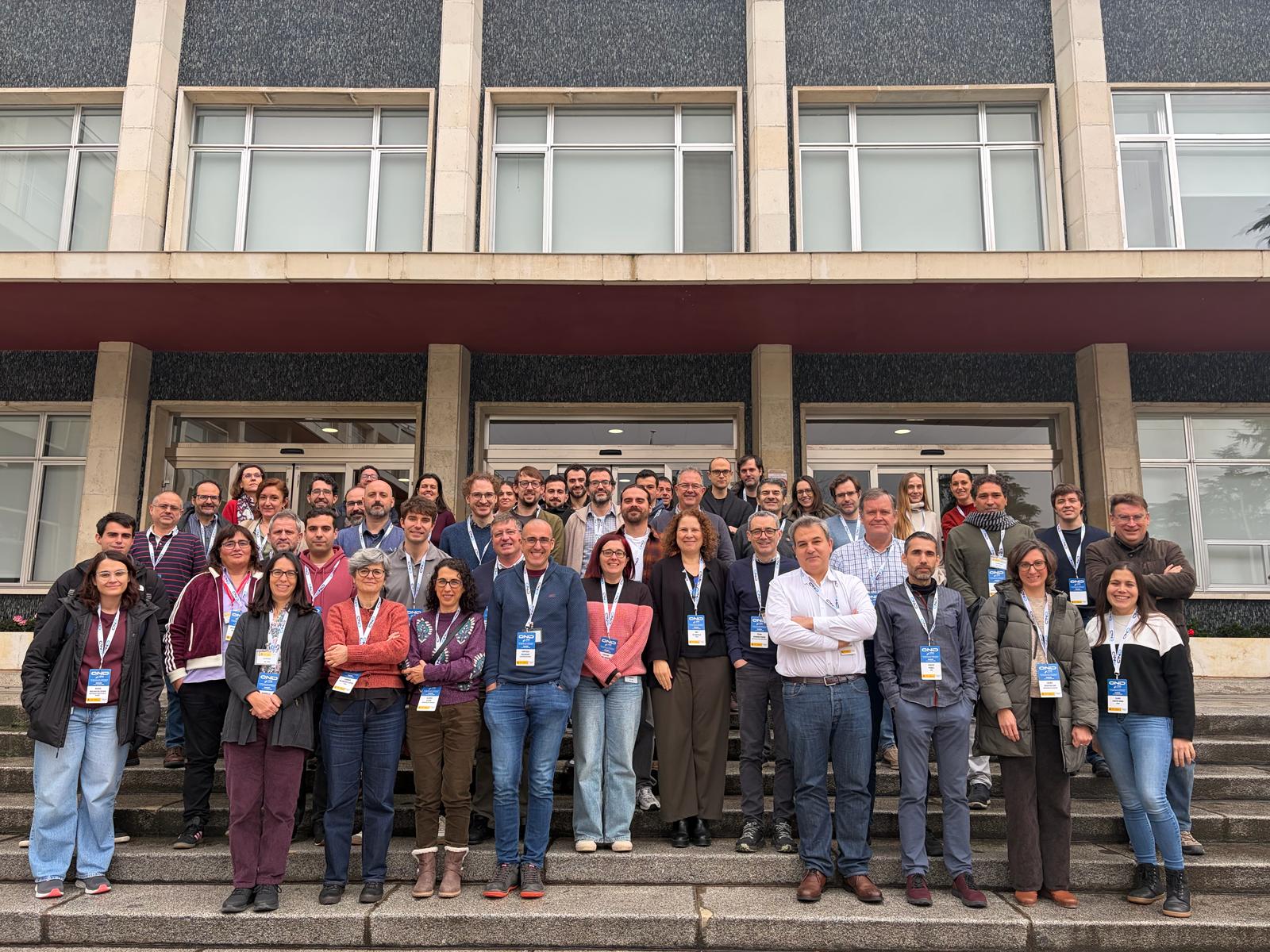
The workshops of the CPAN Network on Instrumentation and Detectors aim to bring together the Spanish scientific community within the CPAN consortium (National Center for Particle, Astroparticle and Nuclear Physics) to jointly explore the current state and future prospects of research and development in the field of detectors and instruments.
The CNID will act as a discussion forum to streamline the Spanish contribution to the different existing international collaborations in detector R&D among the different CPAN communities, in particular, the DRD collaborations, hosted by CERN, which implement the mandate of the European Particle Physics Strategy in relation to the detector R&D strategic program for future experiments.
Sponsors and organizers

Ayuda ED2024-153684-T Financiada por MICIU/AEI/10.13039/501100011033
Electromagnetic calorimeters are frequently used in nuclear physics experiments. Their purpose is to detect all or most of the energy emitted as photons in nuclear reactions or radioactive decays. Their advantage is that the total energy of an electromagnetic cascade is much better known than the individual energies and multiplicities of the gamma rays and electrons. In this presentation, we will show various calorimeters used by the nuclear physics community in Spain.
Highly segmented calorimeters are among the most promising detector technologies for achieving a significant improvement in jet energy resolution at future collider experiments through the use of Particle Flow Algorithms (PFA). By combining fine-grained calorimetric information with precise tracking, PFA-based reconstruction enables an unprecedented separation of charged and neutral particle contributions within jets. This capability is a key requirement for precision measurements at future e⁺e⁻ colliders, most notably at the FCC-ee, where excellent jet energy resolution is essential to fully exploit the physics potential. In addition, highly segmented calorimetry concepts are also being considered for other experiments beyond the traditional collider environment, such as LUXE, where precise spatial and timing information can significantly enhance event reconstruction and background rejection.
Spanish groups, in particular those from CIEMAT and more recently IFIC, have a long-standing tradition in the research and development of highly granular calorimeters within the CALICE collaboration. Over the past years, these groups have contributed substantially to the design, construction, testing, and analysis of advanced calorimeter prototypes.
These activities are now fully integrated into the CERN Detector R&D Collaboration on Calorimetry (DRDCalo), within Work Package 1, which focuses on highly granular calorimeters for future experiments. Researchers from CIEMAT and IFIC are not only key contributors to the technical work, but also hold management responsibilities within this new collaboration, underlining the strong involvement and leadership of the Spanish community in this international effort.
The current R&D program at CIEMAT and IFIC covers both electromagnetic and hadronic calorimeters. On the electromagnetic side, the focus is on a silicon–tungsten (Si–W) electromagnetic calorimeter, combining thin tungsten absorber layers with finely segmented silicon sensors. For hadronic calorimetry, a semidigital hadron calorimeter (SDHCAL) based on glass Resistive Plate Chambers (RPCs) with semidigital readout is being developed. Both technologies face significant challenges in terms of electronics, mechanics or cooling, mainly driven by the extremely high number of readout channels and the need for compact detectors with minimal dead spaces.
New calorimeter prototypes are currently under development. For the Si–W ECAL, a new prototype is expected within the coming months. In preparation for this, IFIC has established a new laboratory dedicated to the hybridization of large-area silicon sensors. This facility positions IFIC as a central hub for module hybridization R&D, production, and commissioning for DRDCalo silicon ECALs, as well as for the LUXE experiment. In parallel, the SDHCAL is evolving towards a next-generation SDHCAL (t-SDHCAL) concept with precise timing capabilities, enabling 5D calorimetry by complementing fine spatial and energy granularity with precise timing capabilities. The t-SDHCAL foresees the use of multigap glass RPCs and a new generation of readout electronics based on novel ASICs, targeting time resolutions of a few tens of picoseconds.
This presentation will review the current state of the art of these highly segmented calorimetry activities, highlighting recent achievements, ongoing developments, and the roadmap for future R&D within the Spanish groups.
PHINDER, short for Picosecond-scale Photonic Heterogeneous Integrated Neuromorphic Detector, is an EIC Pathfinder Open project recently funded by the EU. PHINDER aims to develop new types of neuromorphic photonic sensor systems capable of analysing light from complex processes at the picosecond level (trillionths of a second), while consuming extremely low amounts of energy. The project combines nanostructured III–V semiconductors, programmable photonic waveguides, and neuromorphic sensor arrays into a unified hardware platform that processes time-varying signals directly on-chip.
The goal is to create an ultra-fast event camera with embedded intelligence for applications where conventional electronics fall short. Potential use cases include 5D imaging particle detectors in high-energy physics, proton computed tomography (CT) for radiation therapy, and adaptive control of chemical processes.
The application for calorimeters is based on two recent works, one on the readout system itself, and one on the hybrid particle identification.
Neuromorphic computing is based on encoding information across a "time" component: the so-encoded information can be processed in a nontrivial way with spiking neural networks. We simulate hadrons impinging on a homogeneous lead-tungstate calorimeter and detect the resulting light via an array of light-sensitive sensors whose signals we process using a neuromorphic computing system. We show that the extracted primitives offer valuable topological information about the timestamped shower development in the material, without needing to increase the granularity of the medium itself (https://doi.org/10.3390/particles8020052).
Furthermore, I will show how hadrons identification at high energies can be improved using the topology of their energy depositions in dense matter, along with the time of the interactions. We focus on the impact of calorimeter granularity by progressively merging detector cells and extracting features like energy deposition patterns andtiming information. Our results indicate that fine segmentation improves particle discrimination, with higher granularity yielding more detailed characterization of energy showers (https://doi.org/10.3390/particles8020058).
Liquid Argon Time Projection Chambers (LArTPCs) have emerged as a premier, high-resolution, fully active calorimetric technology for next-generation neutrino detectors such as DUNE. Their main advantages rely on excellent 3D imaging and particle identification capabilities. This is possible thanks to the collection of both electrons and scintillation photons produced after an interaction. Detection of argon scintillation light is particularly challenging given its short wavelength (127 nm), which is inaccessible to most standard photodetectors, requiring complex wavelength-shifting materials to convert it to visible light. Additional challenges include a short attenuation length due to contaminants, Rayleigh scattering, and the need for a cryogenic environment. However, detection of scintillation light will be of central importance to fully exploit the potential of future LArTPCs. Increasing the collection of photons in a LArTPC can be achieved by developing more efficient photosensors, by reducing argon impurities that cause optical absorption, or by doping the argon with xenon. We describe in this talk the different cryogenic facilities operating at the University of Granada toward a more efficient collection of photons in LArTPCs.
Vacuum ultraviolet (VUV) photon detection for large cryogenic liquid detectors such as DUNE is challenging because photosensors are typically not sensitive to VUV light, while large detection areas are required in limited available space. X-ARAPUCAs are light traps that shift VUV photons to wavelengths around 400 nm and confine the light for detection by silicon photomultipliers (SiPMs). At CIEMAT, we have developed setups to characterize SiPMs, assemble X-ARAPUCA modules, and measure the absolute photon detection efficiency for different X-ARAPUCA configurations.
Noble-element detectors are a cornerstone technology in particle and nuclear physics, and increasingly in applied fields such as medical imaging. While noble elements provide strong scintillation and ionization signals, efficient detection of scintillation light remains a key limitation: emission occurs in the vacuum ultraviolet (VUV), where most large-area photosensors are blind and VUV-sensitive alternatives remain costly for next-generation detector scales. Current solutions therefore rely on wavelength shifting, often at the expense of light-collection efficiency and uniformity.
At IFIC we are developing scalable photon detection concepts aimed at maximizing VUV light collection in large detectors. We will report on our latest R&D on VUV photon collectors designed to trap and guide wavelength-shifted light toward photosensors, enhancing collection efficiency without increasing sensor coverage. In parallel, we explore new concepts such as optical metasurfaces (ultra-thin nanostructured devices that enable precise control of reflection, transmission, and spectral conversion) opening new routes to engineer photon transport with minimal material budget. We are also performing a detailed characterization of the VUV optical properties (reflectance and transmission) of materials commonly used in particle detectors. We will present recent measurements and discuss prospects for integration in large noble-element experiments.
The COLINA project is developing a novel frustrum-shaped time projection chamber (TPC) for the detection of Coherent Elastic Neutrino-Nucleus Scattering (CEvNS) in liquid noble media. Funded by the European Research Council, COLINA includes an extensive R&D program to establish and develop the optimal technology to be implemented in the detector. In this talk, we will present the conical TPC design, its physics prospects based on Monte Carlo simulations, and the planned R&D activities.
MiniCactus ASICs are series of demonstrators intended to study the timing performance that can be obtained from non-amplified large electrode sensors developed with the 150 nm HV-CMOS process from LFoundry. The long-term goal is to provide a timing sensor with performances compatible with LHC timing detector upgrades, to be considered post LHC phase 2. An evolution of MiniCactus could be a candidate for the replacement of the ATLAS HGTD inner disks.
The most recent development is MiniCactus v2 which features pixels of different sizes, from 1 mm x 1 mm to 0.5 mm x 0.5mm. These are equipped with different types of analog individual front-end and discriminators, with bias parameters and thresholds programmable via an integrated slow control. The latest testbeams carried out have shown an excellent timing resolution of 50 ps for pixels of 0.5 mm x 0.5 mm.
A solution to improve the timing performance is to implement directly, inside the sensor, a charge multiplication layer in the form of a PN junction (DJ-LGAD concept). A first prototype with no-electronics have been successfully designed and first tests have shown charge multiplication. Encouraged by these results, a new prototype with tailored electronics is being designed.
This talk will present the status and plans for MiniCactus, including the most recent results of MiniCactus v2 testbeams and the first results of the pixels with gain.
Since the pioneering proposal of the Low Gain Avalanche Detector (LGAD) concept, IMB-CNM has played a fundamental role in the development of this technology over the years. LGADs have demonstrated outstanding performance in the detection of high-energy charged particles, thanks to their proportional response, high efficiency, wide spectral range, and improved sensitivity and signal-to-noise ratio, both enhanced by the internal gain. As a result, LGADs have been selected to populate the timing layers of the ATLAS and CMS experiments at the High-Luminosity LHC.
This presentation explores how the LGAD concept can be adapted to address future challenges in particle and photon detection. In particular, we present recent advances at IMB-CNM on inverse and trench-isolated inverse LGAD designs, developed to overcome the small-pixel problem; the engineering of multiplication layer profiles to improve LGAD performance under high-fluence irradiation; and new designs aimed at detection in the soft X-ray and deep UV domains. These include the novel concept of LGADs fabricated on n-type substrates (nLGADs). In line with the objective of short-wavelength photon detection, our group has also been working on an innovative design incorporating a graphene electrode, a solution that extends the potential applications of LGADs to dark matter experiments.
4D tracking is an enabling technology for future particle collider, allowing operation at high pile-up an luminosity whil maintaining precise track to vertecx association.
By combining spatial and timing information. 4D tracking reduces particles mismatches and offers new opportunities for particle identification (mainly in flavour physics). With the HL-LHC currently under construction, 4D tracking technologies have gained considerable attention in recent years.
In this talk, the latest developments on 4D tracking are presented, focusing on IFCA's project. Mainly on: Trench Isolated LGADs (Ti-LGADs), where pixel isolation is achieved etching dielectric trenches; Inverse LGADs (i-LGADs), with a segmented multiplication layer at the backside; and 3D sensors, where the electric field is decoupled of the detector thickness.
The NEXT (Neutrino Experiment with a Xenon TPC) collaboration employs electroluminescent xenon gas TPCs (Time Projection Chambers) to search for neutrinoless double beta decay in 136Xe. We report on recent developments, including results from the NEXT-100 detector installed in the Canfranc Underground Laboratory (LSC). We also discuss current and future efforts within the context of the collaboration, including planned upgrades to the NEXT-100 detector and studies on xenon gas properties with the NEXT-DEMO++ detector.
Multigap glass Resistive Plate Chambers (RPC) developed at LIP Coimbra form the basis of an ongoing detector R&D programme focused on precise timing, robust operation, and scalable system architectures. These chambers are exploited in the miniTRASGO detector, a compact telescope operated in collaboration with Universidad Complutense de Madrid that measured continuously as a cosmic-ray muon monitor, which provides long-term validation of detector mechanics, high-voltage distribution, grounding and shielding strategies, and stability under environmental variations.
Building on this mature detector technology, parallel R&D efforts concentrate on simplifying RPC readout architectures while preserving timing and spatial performance. The current approach investigates thin multigap RPCs with narrow strips and signal merging or multiplexed codification as an alternative to more expensive single channel readout. Reference measurements with stacked systems identify operating regimes where timing performance remains competitive despite efficiency limitations in single-plane operation, motivating dedicated studies of high-voltage optimization, power delivery, and combined fast and slow signal shaping.
This simplified, timing-oriented RPC architecture is being developed as the basis for a compact muography detector planned for deployment at LIP, while remaining scalable to larger Time-of-Flight and tracking systems. The work highlights gaseous detector engineering and readout topology as key elements in detector R&D for both fundamental and applied muon detection.
With the advent of modern facilities dedicated to radioactive beam production, Active Target Time Projection Chambers have become key instruments for nuclear spectroscopy studies. These detectors provide unprecedented luminosity, enabling direct reaction measurements with beam intensities as low as a few hundred particles per second. The IGFAE, at the University of Santiago de Compostela, is actively involved in the development and operation of several active targets and advance detectors, including the AT-TPC at FRIB, the NEXT detector at the Canfranc Underground Laboratory (LSC), and a next-generation Optical Time Projection Chambers (OTPC). This contribution presents the main features and capabilities of these detectors, as well as recent developments achieved in the last years.
Transition Edge Sensors (TESs) are among the most sensitive sensors for a wide range of radiation energies. They achieve resolving powers above 2000 at keV energies (soft X-rays) with interesting applications in astrophysics and material sciences. They also provide photon counting capabilities in the UVOIR range, which make them also quite interesting in quantum technologies like QKD or fundamental quantum optics experiments.
Our group is developing TESs based on Mo/Au bilayers for the 1-10keV range, achieving <4eV at 6keV (in 250μm wide pixels), with ongoing work to further reduce this figure. We are also optimizing our devices for the UVOIR range, with first proofs of concept already tested in our low temperature laboratory. A general overview and status report of these experimental activities and target applications will be presented in this talk.
The search for axions and axion-like particles requires detection techniques capable of measuring extremely weak electromagnetic signals. Quantum sensors provide a promising way to improve the sensitivity of microwave cavity experiments beyond conventional limits. In this work, we discuss the integration of superconducting quantum devices into axion haloscopes, focusing on their role as ultra-sensitive photon detectors. Within the DarkQuantum project and RADES collaboration, we are developing a detection scheme based on a microwave cavity coupled to a superconducting transmon, enabling operation in the single-photon regime. We present the experimental concept, the main technical challenges, and the current status of the setup, and discuss its prospects for future axion dark matter searches.
Overview Superconducting and Hybrid Quantum Chips in view of CNID
CIEMAT has lead the upgrade of the CMS DT electronics for HL-LHC upgrade, being in charge of fabricating both front end and backend electronics:
Improving the use of timing information will be relevant for the next generation of particle physics detectors. One of the intrinsic aspects to achieve when using TDCs (Time to Digital Converters) is the quality and the low jitter of the clock. Thus, clock distribution becomes critical to ensure an optimal time measurement and this is usually done through a chain of FPGAs connected via optical serial links up to the highest acceptable radiation region in the experiment. Many detector components of planned e+e- colliders experiments share with LHC Muon detectors relatively low radiation scenarios and thus can enjoy the versatility of using newly available radiation tolerant FPGAs instead of ASICs for on detector electronics. CIEMAT is participating in DRD7.3 subgroup (timing) studying the timing performance, both in terms of precision and of phase-determinism of intrinsically rad-hard Microsemi FPGAs, a device we have developed significant know-how in the context of the CMS HL-LHC upgrade. Measurements of the timing stability will be presented as well as prospects to improve the TDC in FPGA from 0.8 ns required in CMS to O(50 ps).
The growing capacity of high-end FPGAs enables more powerful algorithms in high-energy physics backends both for triggering purposes and for efficient reconstruction in triggerless systems, but introduces new challenges for firmware developers, specially under fixed latency requirements. CIEMAT has presented several contributions on this area in DRD7.5 subgroup (COTS devices) and other development forums. The largest AMD devices, composed of multiple silicon dies (SLRs), face data transfer timing challenges due to Vivado’s placer limitations in large designs. In particular, pipelined buses crossing SLRs often experience poor flip-flop placement, impacting timing and latency. To deploy a complex Drift Tube AM alogorithm for the CMS HL-HHC upgrade, a 4D pseudo-linear fitter, an specific Python tool has been developed. It automatically generates optimized placement constraints for pipeline registers, equalizing propagation delays of the stages to improve timing closure while minimizing latency, number of pipeline stages, and resource utilization. This tool provides improved performance with respect to the native AMD/Xilinx existing software.
The Cherenkov Telescope Array Observatory (CTAO) represents the next generation of ground-based gamma-ray telescopes, designed to probe the very-high-energy (VHE) sky above 20 GeV with unprecedented sensitivity. The northern array (CTAO-North) will be composed of an ensemble of Medium-Sized Telescopes (MSTs) and four Large-Sized Telescopes (LSTs), the latter designed to detect the lowest-energy gamma rays. Currently, only LST-1 is operational, while the remaining telescopes will come into operation in the coming years. Given the limited lifetime of the current cameras, new prototypes are being developed for the next generation of LSTs. The LST Advanced Camera (AdvCam), based on silicon photomultipliers, digitizes signals from nearly 8,000 pixels at a rate of 1 GHz, producing a data rate that requires highly efficient trigger systems, as the vast majority of recorded images correspond to Night Sky Background. Unlike previous LST cameras, AdvCam performs digitization prior to triggering, enabling the use of advanced online algorithms to improve sensitivity at the lowest energies. In this work, we study and compare different trigger algorithmic architectures, ranging from simple logical OR schemes to clustering algorithms and convolutional neural networks suitable for online inference, with particular emphasis on the computational constraints imposed by real-time operation at GHz sampling rates.
Real-time track finding for displaced-muon signatures in the CMS Level-1 trigger must operate under strict fixed-latency constraints (12.5~$\mu$s) while processing high-throughput detector data. Graph neural networks (GNNs) provide a natural representation of sparse, irregular detector geometries; however, mapping message-passing models to FPGAs requires careful co-optimization of numerical formats, architectural parameters, and high-level synthesis (HLS) microarchitecture.
We present an end-to-end workflow bridging GNN training and FPGA prototyping for a GraphSAGE-based model targeting real-time inference. The pipeline integrates: (i) automated design-space exploration across model dimensions, fixed-point precision, and HLS parameters to expose accuracy--latency--resource trade-offs; (ii) an integer-only INT8 implementation with data-driven bit-width optimization, reducing accumulator and scaling widths while preserving numerical correctness; and (iii) modular C++ kernels synthesized with Vitis HLS and validated through bit-exact C-simulation against Python integer references.
Preliminary validation on the Cora benchmark demonstrates that post-training quantization preserves model accuracy within 0.1\% of the floating-point baseline, while enabling substantial reductions in memory footprint and arithmetic complexity. Bit-exact agreement between software and hardware models is achieved using optimized fixed-point scaling. Quantization-aware training and physics-driven datasets for displaced-muon reconstruction are currently under development.
This work establishes a reproducible methodology for deploying message-passing GNNs on FPGAs under strict real-time constraints, providing a concrete path toward fixed-latency GNN-based track reconstruction in the CMS trigger system.
This contribution presents the development of a 750 MHz IH DTL cold model, a prototype of the second accelerating structure of the LINAC7 proton linac. The compact geometry required at this frequency imposes micron level tolerances, making mechanical alignment especially challenging. This constraint motivated the implementation of a virtual assembly workflow to control GD&T from the early design phase.
The mechanical design is based on CST electromagnetic simulations and particle-tracking studies, which define the Drift Tubes (DT) positioning tolerances. Drift Tubes are individually manufactured, aligned in two stacks using precision pins (±5 µm transverse, 0.01 mm axial), and integrated into a conical 1.4° cavity structure. All components were defined through MBD, and a digital twin was created using 3DCS to evaluate tolerance chains and optimize GD&T. After fabrication, CMM measurements feed a second virtual assembly using SpatialAnalyzer, allowing verification of real geometries, detection of real alignment features, and minimization of rework before physical assembly.
This methodology has enabled GD&T optimization through statistical simulations, prediction of alignment behaviour prior to fabrication, and early mitigation of assembly risks. The cold model is now being assembled, and forthcoming low-power RF tests will validate the electromagnetic performance and support the final IH DTL design.
The main challenge in radiotherapy (RT) is to deliver a sufficiently high curative dose to the tumour while keeping doses to nearby organs at risk tolerable. New treatment modalities are emerging rapidly. In this context, novel dosimetry systems for hadrontherapy and FLASH radiotherapy have been designed and manufactured at the Centro Nacional de Microelectrónica (IMB-CNM, CSIC) in Barcelona, Spain in recent years.
First, silicon based microdosimeter arrays with dimensions comparable to those of human cell nuclei (a few micrometres) and 3D cylindrical detectors were designed and manufactured with a spatial resolution of 200 µm. These arrays are integrated with custom electronic readout systems based on multichannel ASICs, which provide beam triggering and analogue readout for 128 microdetectors per chip. An array covering 12 cm² of radiation-sensitive area has been successfully tested at the Danish Centre for Particle Therapy in Aarhus, Denmark. It has been obtained the first 2D-LET distribution so far. It was used which could contribute to a possible optimisation of proton therapy treatments.
Secondly, silicon carbide (SiC) diodes have been developed for use in dosimetry during ultra-high dose rate (UHDR) FLASH radiotherapy. The diodes were characterised using electron and proton UHDR beams at various centres. Regarding electron UHDR tests, measurements at the National Metrology Institute (PTB, Germany) and the Institut Curie (France) demonstrated linearity independent of dose per pulse and pulse dose rate up to 25 Gy per pulse and 6 MGy/s respectively, with relative dosimetry deviations below 5%. Following an accumulated dose of 100 kGy with 20 MeV electrons, sensitivity loss remained below 2%. Regarding proton UHDR tests, the performance of the SiC diodes was tested with 7 MeV protons at the CMAM, where good signal linearity with dose rate and a reproducible response were demonstrated up to a dose per pulse of at least 20 Gy. All these measurements were made without the need for an applied external voltage. Additionally, pixelated SiC detector arrays have been developed for spatially resolved dosimetry. A 12-pixel array was fabricated and tested using 7 MeV electron beams at Inst. Curie. The system successfully generated accurate two-dimensional dose maps at dose-per-pulse values of 10 Gy, demonstrating the feasibility of SiC arrays for real-time quality assurance under FLASH conditions. Ongoing efforts are focused on scaling the pixelated system to a larger 400-channel array, coupled with custom readout electronics, to support a wider range of clinical and preclinical applications. In conclusion, SiC diodes fabricated at IMB-CNM are a viable alternative to silicon and diamond dosimeters for radiation-hard clinical applications requiring accurate real-time relative dosimetry, a fast response and long-term stability.
The IMB-CNM-CSIC clean room provides state-of-the-art micro- and nano-fabrication facilities for the development of electronic and integrated photonic devices. Covering key processes across the micro- and nano-technology value chain, the infrastructure enables the integration of advanced materials and emerging device concepts. Supported by PERTE investments, the clean room strengthens technological capabilities, process reliability, and accessibility for high-level research and industrial collaboration.
Heavy ion therapy represents one of the most advanced cancer treatment modalities, with carbon and helium beams offering superior dose conformality and enhanced radiobiological effectiveness compared to conventional photon therapy. However, the production of secondary neutrons through nuclear fragmentation processes poses a significant challenge for comprehensive patient safety assessment, particularly for vulnerable populations such as pediatric patients and pregnant women, where long-term secondary cancer risk evaluation is critical.
Current neutron dosimetry in hadron therapy facilities requires precise instrumentation adapted to near-clinical conditions. While moderation-based detectors such as rem-counters and Bonner spheres provide valuable data, they present several critical limitations: inadequate energy response requiring sensitivity from thermal energies to hundreds of MeV, and poor temporal resolution in pulsed or quasi-continuous beam delivery modes. Most critically, these detectors exhibit significant overestimation of neutron dose (up to a factor of two) caused by inherent sensitivity to secondary charged particles (protons, alphas) produced in the patient, representing a fundamental gap in current dosimetric capabilities for heavy ion therapy.
This presentation introduces ongoing research aimed at developing novel neutron detection technologies specifically engineered to address these challenges. We present a conceptual proposal and results in progress oriented toward generating neutron instrumentation capable of improving precision in out-of-field measurements while resolving the secondary charged particle sensitivity problem. The approach involves the LINremext3 dosimeter and NESTA spectrometer, featuring Monte Carlo-optimized designs for broad energy sensitivity (thermal to 10 GeV), innovative acquisition algorithms for high dose-rate pulsed fields, and millisecond temporal resolution with real-time data processing capabilities. The core innovation focuses on the development and integration of a novel charged particle veto system to achieve overestimation-free neutron dosimetry and spectrometry in heavy ion therapy environments.
These developments directly support the democratization of emerging hadron therapies by providing the accurate secondary dose assessment tools essential for robust treatment planning, comprehensive quality assurance, and reliable long-term risk evaluation in clinical environments.
Silicon photomultipliers (SiPMs) are increasingly becoming the standard in cutting-edge photodetection applications, offering significant advantages over classical photomultiplier tubes (PMTs) such as lower cost, insensitivity to magnetic fields, and fast temporal response. In the field of high-energy astrophysics, these properties are critical for the next generation of Ground-Based Gamma-ray Astronomy, where SiPM-based cameras promise higher granularity and improved sensitivity for Cherenkov telescopes.
The GAE-UCM group maintains two parallel research lines: the high-precision characterization of Silicon Photomultipliers (SiPMs) and active involvement in the Cherenkov Telescope Array Observatory (CTAO), which will become the world's most sensitive Cherenkov observatory. In this oral contribution, we will present our characterization capabilities, latest modeling results, and the strategic role our group has played in evaluating SiPMs for CTAO.
To properly study SiPM characterization, we have developed a comprehensive set-up consisting of an integrating sphere, different light pulses, scintillators, and dedicated readout PCBs. This enables us the measure of key SiPM parameters such as Photon Detection Efficiency (PDE), gain via finger plots, and correlated noise. Furthermore, we have developed software resources for a more complete analysis, such as dedicated correlated noise analysis software and a detailed Monte Carlo code. In addition, we will summarize our latest modelling result: a non-linear model based on microcell recovery.
Finally, we will report on the study of SiPM candidates for the final version of the new CTAO cameras. This analysis encompasses various critical parameters, including correlated noise, pulse shape characteristics, and the evaluation of specialized resin layers designed for red-photon absorption.
The Nuclear Innovation Unit at CIEMAT covers a broad scientific program on neutron-induced reaction cross-section measurements (capture, fission, activation and charged particle production), β-delayed neutron emission, (α,n) reaction studies, and is also involved in applications such as the characterization of nuclear waste and neutron dosimetry.
We have developed over the years several kinds of detectors based mainly on scintillators. In the field of neutron detection and spectroscopy, we have designed and built the liquid scintillator-based MOdular Neutron time-of-flight SpectromeTER (MONSTER) for decay and reaction studies.
CIEMAT has contributed actively to the development of new detectors for the world-leading n_TOF facility at CERN, particularly in the field of γ-ray detectors. In this context, CIEMAT has designed and constructed the sTED, a liquid scintillator detector optimized for the high counting rates of n_TOF EAR2. This detector has been fully operational with 9 modules since 2022 and has been used in more than 10 neutron capture cross-section measurements. More recently, in 2025, 18 additional modules were added with MRR funding, increasing the detection efficiency by a factor of three. The new sTED configuration has been commissioned and is ready to be used at n_TOF. In addition, further γ-ray detectors (LaBr3, EJ315 and Clover HPGe) have been acquired with MRR funding and will be commissioned in the coming months.
The experience acquired in γ-ray calorimetry with inorganic scintillators is currently being applied in a research project with the nuclear industry, for the construction of a high-performance low and intermediate-level waste characterization system.
Finally, detection systems based on 3He and CLYC have been developed for neutron measurements in various environments such as underground laboratories, proton therapy facilities, and nuclear waste repositories. Extensive R&D has been made for applications of CLYC scintillators, for combined neutron and γ-ray dosimetry.
In this talk, we will present technical details on the R&D carried out and some ongoing activities in scintillation detector developments.
PMTs have long dominated fast timing experiments for their excellent resolution and stability, but their high cost and limited availability have driven interest in SiPMs. SiPMs are being increasingly used, but when grouped into arrays to read large scintillators, their timing is sub-optimal.
This work describes the study of the coincidence time resolution (CTR) of several individual SiPM readily available in the market, from Broadcom, Onsemi and HPK, coupled to a small 3x3x5mm3 cubic LYSO. As timing reference for comparison we used a Hamamatsu PMT, model R9779, assembly H10570, MOD 3, featuring an 8-stage photomultiplier with a bialkali photocathode and a quartz window coupled to a cylindrical LaBr₃(Ce) crystal with 1” height and 1” diameter. The intrinsic individual contribution to the CTR of the detectors was evaluated using Na-22 (511keV) and Co-60 radioactive sources, after the signals were digitized using a DRS4 system for time-of-arrival analysis. Intrinsic time contribution to CTR below 100 ps FWHM was demonstrated for several 3 mm and 6mm individual SiPMs coupled to the LYSO cube. The best performers were chosen to develop larger arrays of SiPM (either with 6x6 mm2 SiPM pixels and 3x3 mm2 SiPM pixels), with variations of time-pickup schemes.
Comparison with newer PMTs models, aimed to replace the H10570 reference, will be presented as well.
Results scaled up of these arrays to build 1” and 2” segmented SiPM boards to couple to the larger LaBr₃(Ce) scintillators, will be presented.
We will continue this work in order to achieve a more complete
analysis.
Skipper Charge-Coupled Devices (skipper‑CCDs) enable measurements of individual ionization electrons with sub‑electron noise, opening new capabilities for rare‑event searches and low‑background instrumentation. Within the DAMIC‑M collaboration, we are developing and deploying large‑area skipper‑CCD arrays optimized for the detection of light dark matter and other weakly interacting particles. In this contribution, we report on two major ongoing R&D activities: characterization of the skipper‑CCD modules developed for the DAMIC‑M detector, efforts to extend skipper‑CCD applications to radiopurity screening at the Canfranc Underground Laboratory, with a proof‑of‑concept station aimed at measuring ultra‑low levels of ²¹⁰Pb and other contaminants through the direct detection of their decay products.
The techniques applied to study and reduce backgrounds in the context of experiments searching for the direct detection of WIMPs like ANAIS and TREX-DM, at the Canfranc Underground Laboratory (LSC), and for solar axions like BabyIAXO, at DESY, will be briefly presented. They include extensive material screening campaigns based on gamma spectroscopy with HPGe detectors at LSC, the development of the AlphaCAMM detector intended to measure surface radioactive contamination with high sensitivity, the quantification of instrinsic activity of NaI(Tl) detectors and measurements of environmental backgrunds like neutrons.
Ion beam-based techniques offer powerful tools for the characterization of semiconductor detectors at the National Accelerator Center (CNA, Seville). In this contribution, SiC microdosimeters for FLASH radiotherapy were studied using Ion Beam Induced Current (IBIC) with the 3 MV Tandem accelerator, complemented by proton beam measurements from the CNA cyclotron. These approaches provide spatially resolved information not only on charge collection, but also on technological information such as depletion width and dead layer thickness. Furthermore, the detector performance under conditions relevant for high ionization densities, including generated charge, energy resolution, and potential plasma effects, was also investigated.
Group II-VI semiconductors are being explored for room-temperature X-ray imaging due to their excellent properties, especially high resistivity and wide bandgap. However, their performance is often limited by crystalline defects and surface imperfections, which act as charge traps and increase leakage currents. Consequently, wafer inspection to ensure the quality of base materials through optical means prior to hybridization could positively impact detector production yield.
This work focuses on the development of a comprehensive quality-control protocol to characterize semiconductor base materials. The methodology combines complementary non-destructive techniques: Scanning Electron Microscopy (SEM) is employed to assess surface morphology, while standard IR transmission microscopy identifies bulk defects. Furthermore, cross-polarized IR transmission imaging is utilized to map internal stress fields and lattice distortions induced by crystalline imperfections. This multi-modal approach ensures a rigorous evaluation of both surface topography and internal structural integrity, guaranteeing chip functionality and reliability.
The characterization of semiconductor materials is a key aspect in the development of new technologies of electronic devices and radiation-hard detectors. In this context, the Two Photon Absorption Transient Current Technique (TPA-TCT) has an important role as non-destructive tool, which can provide high spatial resolution to probe internal electrical properties and charge transport mechanisms of the semiconductor devices under test. This technology is finding its place in the context of wide band semiconductors (WBS) characterization, and additional variants such as higher-order multiphoton generation are currently being evaluated.
In this presentation, we report on the applications of TPA-TCT to the characterization of semiconductor detectors, focusing on studies of material response (particularly interesting in irradiated samples), charge depletion behavior vs bias voltage, reverse engineering of device structures, and the reconstruction of electric field maps. The measurements performed were made on silicon carbide samples, to investigate their possible role as alternatives to silicon devices in the context of High Energy Physics or Medical applications. Apart from the obtained results, the high versatility of this technique and the broad range of options it enables are clearly demonstrated.