Choose timezone
Your profile timezone:
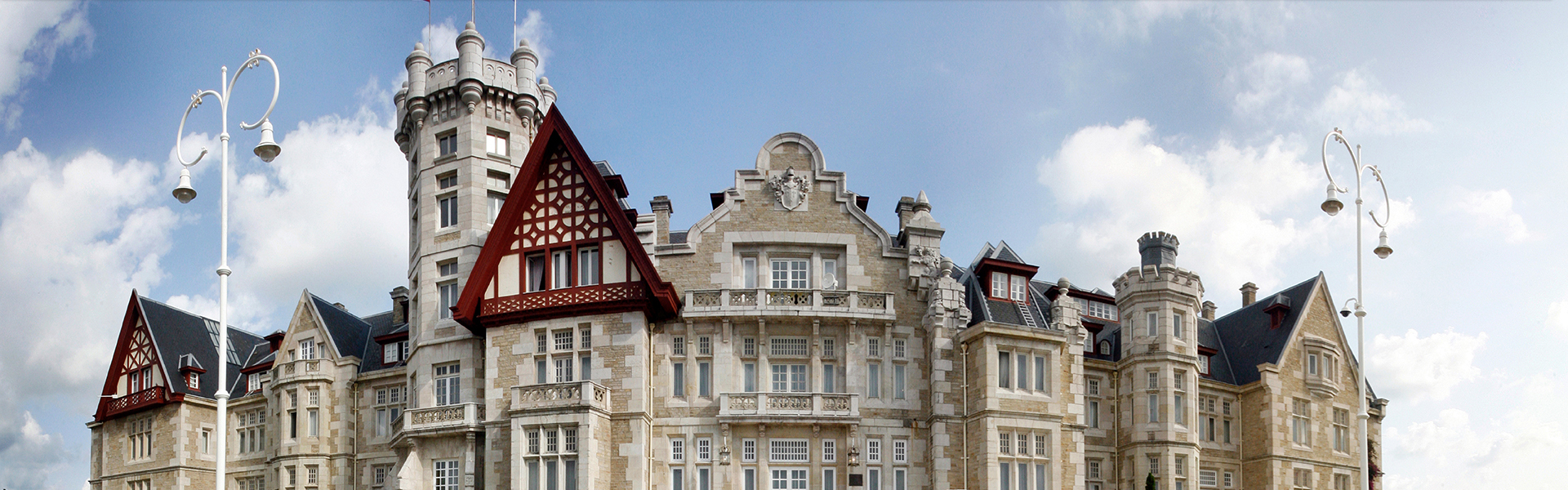
The final meeting of the Planes Complementarios de Astropartículas y Física de Partículas will take place at the Palacio de la Magdalena in Santander. It will begin with an inaugural session, including institutional interventions, before moving on to the technical programme. The agenda foresees dedicated sessions where the participating research teams will present their main achievements, ranging from detector development and large-scale infrastructures to data analysis and computing advances.
Beyond the scientific presentations, the meeting is designed as a forum to highlight the added value of coordinated action among Spanish universities, and research centres. It will provide an opportunity to reflect on the impact of the programme, the synergies created across different institutions, and the lessons learned during its execution. The event will also look ahead, exploring possible continuations and future collaborative initiatives that can build on the foundations laid by the Planes Complementarios.
The registration fee is 340 € + 21% VAT, which includes two working lunches (Tuesday 25 and Wednesday 26 November) and Conference banquet on Wednesday evening.
The Venue
The Palacio de la Magdalena is a palace located in Santander (Cantabria), Spain. It was built in 1911, financed by popular subscription, and given to the Spanish Royal Family for use as a summer residence. The royal family used the palace as a base for numerous recreational and sporting activities, and the king sometimes also held governmental meetings on the property. The annual trips ended with the proclamation of the Second Spanish Republic in 1931, when it became the venue for the summer courses of the Menéndez Pelayo International University until the present day, interrupted only by the Spanish Civil War and the Second World War. In 1977, Santander City Council recovered the palace and the peninsula. It is the most visited place in the city of Santander and continues to be used as a conference and meeting room to this day.
How to reach Santander
Seve Ballesteros-Santander Airport has a total of 26 destinations, served by 7 airlines with direct flies from Ireland, UK, France, Belgium, Italy, Austria and Romania. You can also reach Santander by train or bus from the main Spanish cities; there are also ferry boats from England arriving to Santander harbour. As a second option, and sometimes more suitable, you may also consider to reach Santander via Bilbao airport, with more than 28 operating airlines connecting all the major European hubs. There is about one-hour drive between Bilbao's airport and Santander city, following the scenic Cantabrian coastline.
Scientific Organizing Committee
| Antxon Alberdi Odrizola | IAA (CSIC) |
| José Enrique García | IFIC (CSIC-UV) |
| Enrique Martínez | IFCA (CSIC-UC) |
| Alicia Sintes Olives | UIB |
| Ramon Miquel (Chair) | IFAE |
Local Organizing Committee
| Francesca Scarcella | IFCA(CSIC-UC) |
| Patxi Casas | IFCA (CSIC-UC) |
| Airam Marcos Caballero | IFCA (CSIC-UC) |
| Guillermo Martínez Somonte | IFCA (CSIC-UC) |
| Pablo Martínez Ruíz del Arbol | IFCA (CSIC-UC) |
| Cristian Quintana | IFCA (CSIC-UC) |
| Antonio Gómez | IFCA (CSIC-UC) |
| Iván Vila Álvarez (Chair) | IFCA (CSIC-UC) |
Previous workshops
The first meeting of the Planes Complementarios AstroHEP
 |
 |
 |
 |
 |
 |
 |
 |
 |
Screening of the summary video
We present a transformer-based autoregressive foundation model specifically designed to analyze narrow-band photometry from the Javalambre Physics of the Accelerating Universe Astrophysical Survey (J-PAS), simulated using 18 million spectra from the Dark Energy Spectroscopic Instrument (DESI). By crossmatching DESI value-added catalogs, our model incorporates detailed stellar population properties, including stellar masses and star formation rates (SFR) for galaxies, emission line fluxes, and photometric redshifts for both galaxies and QSOs. Additionally, the model estimates fundamental stellar parameters such as effective temperature, surface gravity, and alpha enhancement. A significant advantage of our approach is its simultaneous capability for classification and regression tasks, allowing the model to classify astronomical objects while accurately predicting their physical parameters. This unified method eliminates the need for multiple specialized codes and significan
tly improves inference speed compared to traditional techniques. The transformer's architecture also enhances interpretability by explicitly modeling the relationship between physical properties and galaxy, QSO, and stellar spectra. Its autoregressive nature efficiently handles incomplete or partially missing data, facilitating straightforward integration of multi-wavelength datasets. Furthermore, training the model with simulated J-PAS fluxes from DESI spectra alongside real observational data inherently supports effective domain adaptation.
Beyond standard predictive tasks, our model enables broader applications, including identifying rare astronomical objects. It can also perform similarity searches, identifying objects with comparable spectral and physical properties, enhancing its versatility for various scientific analyses within J-PAS and future data-intensive astronomical surveys. Consequently, a comprehensive value-added catalog covering galaxies, QSOs, and stars will be publicly released, offering an essential resource for diverse astrophysical studies.
Understanding how the Milky Way formed and evolved is a central goal of Galactic archaeology. In this talk, I will present our published results on the star-formation history of the Galactic disc based on multi-filter photometry from the J-PLUS survey combined with Gaia astrometry. Our analysis showed clear differences between the chemically distinct components of the disc and provides clear insights into their formation epochs and enrichment processes. These findings illustrate the potential of wide field photometric surveys, in synergy with astrometric data, to disentangle the evolutionary pathways of our Galaxy and open the way for even more detailed studies with upcoming surveys.
In the paper (in preparation) presented here, we characterize the origin of the optical emission from the ionized gas in the cluster Abell 2390, which is included in the CATARSIS galaxy cluster catalog (the Calar Alto “Tetra-ARmed Super-Ifu spectrograph” Survey). We carried out this analysis using 2D spectroscopy with the MUSE instrument on the Very Large Telescope (VLT), together with data from the NirCam camera on the James Webb Space Telescope (JWST). We find that the brightest central galaxy (BCG) of the cluster hosts an active galactic nucleus (AGN) with LINER-type emission. Furthermore, there is evidence of interaction with a nearby galaxy, as indicated by the gas kinematics and the properties of the measured stellar populations.
The High-Luminosity Large Hadron Collider (HL-LHC) is the upgrade of the existing Large Hadron Collider (LHC) located at CERN in Switzerland. Its primary objective is to enhance the potential for scientific discoveries by substantially increasing the integrated luminosity. Specifically, the HL-LHC aims to deliver approximately five times the nominal instantaneous luminosity of the LHC, accompanied by luminosity leveling. This boost in luminosity will yield an order of magnitude more data, though at the cost of approximately 200 inelastic proton-proton collisions per beam crossing on average. The physics phase is currently scheduled to start in 2029.
The high luminosity of the HL-LHC opens up exciting opportunities for a wide range of new physics measurements. However, it also poses significant challenges for the detector and the trigger and data acquisition systems. These challenges manifest as increased trigger rates, higher detector occupancy, and the need for enhanced radiation hardness. The ATLAS detector, a critical detector of the LHC experiments, must operate seamlessly throughout the entire LHC Phase II program, accumulating an integrated luminosity of 4000 fb^−1 over a decade.
To fully exploit the enhanced physics potential offered by the HL-LHC, the ATLAS experiment is undergoing substantial upgrades to its internal detectors. Notably, the ATLAS Inner Tracker (ITk) will be completely redesigned. The new ITk will rely exclusively on silicon-based technology and must withstand the extreme radiation environment near the HL-LHC interaction point. It will consist of several layers of pixel and microstrip sensors, carefully engineered to maintain radiation lengths at or below the levels of the current system.
The Instituto de Física Corpuscular (IFIC) plays a pivotal role in the ATLAS ITk upgrade. IFIC focuses on the design and construction of the endcap region of the silicon microstrip tracker within the ITk. Our activities span from initial design to endcap commissioning, including the fabrication of critical components such as silicon microstrip sensors, modules, local support structures (petals), service modules, and distribution systems (power, cooling, control signals, and data). Additionally, IFIC contributes to endcap support structures, design and optimization of cooling lines, conducts system tests, and will ensures a successful commissioning. Given these responsibilities, IFIC's group plays a critical role in advancing the ITk upgrade within the ATLAS collaboration, given our responsibilities and the commitments in so many aspects of the detector.
The Institut de Ciències del Cosmos de la Universitat de Barcelona (ICCUB) is contributing to the development of advanced ASIC technologies for the High-Luminosity LHC (HL-LHC), with a particular focus on the LHCb Upgrade II program. A central effort is the PicoCal project, which aims to improve the performance of the LHCb calorimeter during the LS4 upgrade by enabling precision timing measurements with a target resolution of 10 ps at 100 GeV. Building on longstanding expertise in calorimeter front-end electronics since 1999, ICCUB is responsible for the energy measurement front-end, currently implemented through the ICECAL65 ASIC. Designed in TSMC 65 nm technology, ICECAL65 features a 1 V dynamic range, two gain path with 11-bit resolution, and a dual time-interleaved channel architecture that facilitates rapid integrator recovery and continuous 40 MHz readout. Its fully differential signal processing chain and per-channel clock generation further enhance noise immunity and timing performance.
In parallel, ICCUB is advancing developments for fast photon detection. The FastIC+ ASIC, comprising eight channels, supports single-photon sensitivity and integrates a time-to-digital converter (TDC) with 25 ps time binning, enabling applications in particle physics and medical imaging. A specialized variant, FastRICH, tailored for the LHCb RICH Upgrade, incorporates the same core technology optimized for single-photon detection.
Trench-Isolated Low-Gain Avalanche Detectors (TI-LGADs), implement pixel segmentation through physical trenches etched into the silicon substrate and filled with a dielectric material. In this work, we present results from a 120 GeV pion test beam campaign at the CERN SPS, focusing on carbon-infused single-trench TI-LGAD prototypes with varying trench widths. The devices, irradiated with neutrons up to a fluence of 2.5 × 10¹⁵ neq/cm², were characterized under minimum ionizing particle conditions. The experimental setup combines precise tracking from a MIMOSA26-based beam telescope, achieving sub-10 μm spatial resolution, with timing measurements from a reference LGAD and a multi-channel waveform digitization system.
We report on the spatially resolved time resolution, detection efficiency, and inter-pixel performance of the tested devices, highlighting the impact of trench geometry and radiation damage. Preliminary results from the April 2025 test beam campaigns will be presented and discussed.
High temperature superconducting YBa2Cu3O7-x (YBCO) is an enabling material that have recently entered the field of microwave cavities that must operate at very high magnetic fields; an example is the axion haloscope for dark matter search. The reason is the ability to significantly improve cavity efficiency by increasing the quality factor due to the low surface resistance values of YBCO at high magnetic fields, which cannot be achieved with any other material. Under the operating conditions of haloscopes, the surface resistance of YBCO is entirely governed by the penetration of superconducting vortices (quantized magnetic flux lines) and the ability to immobilise them. The lack of data at these conditions prompted us to study the high-field microwave response of YBCO, realising the enormous opportunities that these materials bring to this field [1,2]. However, the high anisotropy of YBCO makes it virtually impossible to deposit them directly on the geometrically complex surfaces required by these cavities, imposing the use of complicated YBCO growth methods that require epitaxial templates, Coated Conductors (CCs). For this reason, we have developed a coating technique to cover the curved surfaces of the cavities with CCs [3]. In this contribution, we will present our knowledge and research achievements towards the use of CCs materials for high-field haloscopes in the search for dark matter. In particular, we will show the results obtained for 9 GHz haloscope cavities operating up to 11 T and 4.2 K, searching dark matter axions in a mass range of 36 eV within the RADES experiment [4,5]. Importantly, this approach started from our contribution on other HEP applications requiring materials with low surface resistance values at very high magnetic fields, such as the FCC hadron collider beam screen, where our findings have positioned CCs as a strong candidate to replace Cu as a low surface impedance coating [6].
[1] T. Puig et al, Supercond. Sci. Technol. 32 (2019)
[2] A. Romanov et al. Scientific reports 10 (2020)
[3] G. Telles et al, Supercond. Sci. Technol 36 (2023)
[4] J. Golm et al. IEEE Trans. Appl. Supercond. 32 (2022)
[5] S. Ahyoune et al, submitted to JHEP
[6] A. Abada et al, European Physical Journal- Special topics 228 (2019)
Summary talk about J-PAS activities, highlighting PPCC-funded results, during the LIA4 plennary session.
Funding from the "Planes Complementarios de I+D+I en Astrofísica y Física de Altas Energías (Marco de Recuperación y Resiliencia)" has led to a profound transformation in how Astrophysics and Cosmology are conducted at the Universidad de Córdoba. Our project, "Análisis de la estadística de la distribución de galaxias en la estructura a gran escala mediante grandes cartografiados astronómicos", which is part of Research Action #4 (LIA4), has fostered synergies with research institutions and universities across Andalusia and the rest of Spain, even sparking new international collaborations. These developments have contributed to the consolidation of an attractive environment for PhD students and postdoctoral researchers. In this presentation, I will provide an overview of the impact of the Planes Complementarios -including human resources, computer equipment, publications, collaborations, and national and international visibility- over the past years at the Universidad de Córdoba.
We present J-HERTz (J-PLUS Heritage Exploration of Radio Targets at z < 5), a new multi-wavelength catalog combining optical narrow-band filter observations from the Javalambre Photometric Local Universe Survey (J-PLUS) with low-frequency radio data from the LOFAR Two-Metre SKy Survey (LoTSS), and infrared detections from WISE for 500,000 sources over 2100 deg² in the northern sky. The catalog features Bayesian neural network classifications of galaxies, QSOs and stars, improved combined photometric redshifts, optical-to-IR ratios as radio-loudness indicators, stellar masses and star formation rates.
J-HERTz provides a powerful dataset for exploiting radio-optical synergies, enabling studies from the origin of stellar radio emission to AGN life cycles and the role of jet activity in shaping host galaxy properties. We find an absence of Seyfert or LINER signatures in 20% of radio-loud galaxies with spectroscopic observations, suggesting a substantial population of optically quiescent AGN are detectable only by extended relic radio lobes at low frequencies. Furthermore, spectral energy distribution fitting of their host galaxies using J-PLUS photospectra reveals significantly suppressed specific star formation rates. On the other hand, radio-quiet galaxies can have up to 100 times higher specific star formation rates. Additionally, we present a new characterisation of the radio luminosity to star formation rate relation based on ~20,000 main-sequence galaxies from our catalog.
Tracking detectors based on scintillating fibers read out with silicon photomultipliers (SiPMs) are emerging as a competitive alternative to silicon strip detectors in high-energy and astroparticle physics. The scintillating fiber tracker (FIT), originally developed as the tracking detector for the upcoming High Energy cosmic-Radiation Detection (HERD) facility, consists of multiple tracking planes made of fiber mats arranged in two orthogonal directions and read out using Hamamatsu S13552-10 SiPM arrays. The custom-made Beta ASIC has been developed to meet the stringent requirements for noise, dynamic range and power consumption demanded by space applications. The FIT tracker has been designed to enhance the conversion of gamma rays into electron-positron pairs, reconstruct the trajectory of traversing particles, and measure the absolute charge of cosmic rays.
In this contribution the FIT design and performance will be discussed thoroughly. The talk will encompass the development of the readout system and internal trigger for the identification of ionizing particles, as well as the characterization and calibration of the Beta ASICs and S13552-10 SiPMs in an optical-bench set-up. Results from test-beam campaigns at CERN with a prototype miniFIT tracker will also be presented. Finally I will report on future plans for space qualification and implementation in possible future space borne experiments.
Hyper-Kamiokande (HK) will start collecting accelerator neutrino data in 2028 to search for leptonic CP violation. Compared to current long-baseline neutrino oscillation (LBNO) experiments, HK's sensitivity will not be limited by statistics but by systematic uncertainties. To reduce the latter, LBNO experiments rely on a set of detectors: the far detector measures the oscillated neutrino spectrum, while the so-called near detectors characterise the neutrino beam before oscillation and provide neutrino cross-sections. One of the near detectors of HK is ND280, the near detector for the current-generation LBNO experiment, T2K. ND280 recently underwent an upgrade during which some of the original subdetectors were replaced with a set of novel detector systems. While this will already significantly reduce the systematic uncertainties, an additional upgrade, ND280++, in the HK era is under consideration to fully exploit the physics potential of HK. After a short introduction of the upgraded ND280, the talk will cover the possible ND280++ upgrade with the focus on a feasibility study about using a multi-tonne opaque liquid scintillator tracker as a subdetector for this upgrade.
The National Accelerator Center (CNA) is a joint institution of the University of Seville, the Regional Government of Andalusia, and the Spanish National Research Council (CSIC). Together with the Center for Micro-Analysis of Materials (CMAM), it forms the Unique Scientific and Technical Infrastructure IABA (Accelerator-Based Applications Infrastructure), which provides advanced accelerator facilities to the international scientific and technological community. The national resilience plan has enabled significant upgrades to the CNA’s instrumentation through four coordinated sub-projects.
Sub-project 1.1, “Improvement and upgrade of the 3 MV Tandem and cyclotron accelerators at the National Accelerator Center for radiation detector studies,” has supported the acquisition of new instrumentation to enhance the production of ns pulsed ion beams, micrometric ion beams and to advance semiconductor detector research using the Ion Beam Induced Current (IBIC) technique.
Sub-project 1.2, "Accelerator Mass Spectrometry," has enabled the acquisition of a new injector for the CNA's 1 MV AMS system. This injector will significantly improve the instrument's sensitivity by allowing for better selection of the ions injected into the accelerator. This will result in a substantial reduction of background noise, making it suitable for applications in astrophysics.
Subproject 1.3, "Exploitation of European infrastructures in nuclear physics", has enabled the installation at the CNA of a magnetron-sputtering chamber for target production and improvements to the neutron line, relevant to enhance the participation of Spanish scientists in European facilities.
Sub-project 1.4, “Developments for ion beam therapy,” has enabled the design and acquisition of a beam pulsing system for the external cyclotron beam line. This new equipment will expand the capabilities of the 18 MeV proton line for radiobiology and dosimetry studies, including the possibility of performing experiments in FLASH mode.
This presentation offers a brief overview of the instrumental improvements achieved in the different sub-projects and will show selected results from sub-project 1.1, in particular the radiation damage studies in SiC detectors irradiated with alpha particles at high temperatures, with potential applications in nuclear fusion and high-energy physics.
This project is part of Línea 4.4: Grandes cartografiados astronómicos.
The Calar Alto Void Integral-field Treasury surveY, CAVITY, is a Legacy project of the Calar Alto Observatory for the coming years. It is generating the first statistically complete data set of galaxies in voids exploring the mass assembly, dark and baryonic, and gas properties of galaxies inhabiting these very low density regions.
After a successful first public data release (DR1), comprising science-grade optical data cubes for the initial 100 out of a total of ~300 galaxies in the local Universe, the project is preparing for DR2 in 2026. The second release includes data products of the extension of the project, CAVITY+, a series of complementary follow-up projects, including deep optical imaging, as well as resolved CO data, and integrated HI spectra. CAVITY+ naturally completes the scientific aim of characterising galaxies in cosmic voids.
Here we present a summary of the CAVITY and CAVITY+ projects, including their main scientific objectives and recent results, obtained in the framework of the Plan Complementario de Astrofísica y Altas Energías, which are transforming the knowledge of void galaxies.
Extreme emission line galaxies (EELGs) constitute a population of unique systems undergoing very intense events of star formation. These objects are very rare in our immediate environment, but they are crucial for understanding the physical limits of star formation, and most importantly, the formation of the first galaxies, during the early history of the Universe. While EELGs were abundant during that epoch, their faintness prevents a detailed study of their physical properties. EELGs found at lower redshifts offer a unique opportunity to investigate the physics of that era, however a precise selection and identification of these sources is extremely challenging.
We used the third data release of the J-PLUS survey, covering 3000 deg² of the northern sky with 12 narrow and broadband filters, to identify over 1500 EELGs at low redshift (z<0.35). These galaxies were selected by a large flux difference between contiguous narrow and broadband filters, indicative of very strong emission in either the [OIII]5007 or Hα lines (which are associated with gas ionized due to young massive stars). This approach avoids biases inherent in previous studies using only broad bands, allows the identification of fainter systems than in spectroscopic surveys, and reaches a purity and completeness above 90% (Lumbreras-Calle et al. 2022). Fitting the J-PLUS photometry to stellar population models allows us to characterize the main properties of the galaxies (equivalent width of the lines, stellar mass, dust extinction, accurate photometric redshift…).
We have performed several follow-up observational campaigns, using different telescopes on earth (INT, GTC) and in space (Hubble Space Telescope, Chandra) to study in detail the sample, and we have taken advantage of the already available large surveys (SDSS and DESI). The spectroscopic observations on a subset of J-PLUS EELG candidates have confirmed their extreme nature and enabled the study of their detailed physical properties through faint emission lines, most notably the oxygen abundance (Lumbreras-Calle et al. 2025 in prep). We find similarities between our nearby J-PLUS EELGs and JWST-detected galaxies in the early Universe, particularly in their combination of mass, oxygen abundance, and star formation rate.
The high-resolution imaging from the Hubble Space Telescope has shown very rich systems, with a complex morphology, including young bursts of star formation with different ages. On the other hand, observations with Chandra reveal a certain lack of x-ray emission in some galaxies.
The upcoming release of the fourth J-PLUS data release will allow these studies to move forward, finding even more extreme objects with its very large area (almost 5000 square degrees) paving the way for the deeper, more precise J-PAS survey.
We evaluate the capability of the J-PAS survey to constrain the primordial power spectrum using a non-parametric Bayesian reconstruction approach. Simulated spectra are generated with localized oscillatory features—motivated by non-standard inflationary scenarios—and analyzed over the range $k \in [0.02,0.2] \text{ h } \mathrm{Mpc}^{-1}$, where J-PAS offers optimal sensitivity and non-linearities remain subdominant. The primordial spectrum is reconstructed through linear interpolation across $N$ knots in the $\log{(k, P_{\mathcal{R}})}$ plane, jointly sampled with cosmological parameters ${H_0, \Omega_b h^2, \Omega_c h^2}$ using PolyChord. Feature detection is quantified through both the Bayes factor and a hypothesis test. We explore the recovery of injected features under various J-PAS configurations—including redshift binning, tracer type, survey area, and filter strategy—and find that amplitudes as low as 2% can be detected when combining multiple tracers and redshift bins.
Ongoing work applies this reconstruction framework to real large-scale structure data from BOSS and eBOSS, providing the first data-driven validation of the method and setting competitive constraints on potential primordial features.
During the last two and a half years we have explored how the Javalambre surveys (primarily J-VAR, the time-domain extension of J-PLUS) together with J-PLUS itself, can be used for Solar System science. Thanks to their wide coverage and multi-filter strategy we have recovered data for more than 17,000 small bodies, most of them located in the Main Belt. From J-VAR DR1 alone we compiled a catalog with about 6,500 unique objects, for which we could obtain photometry in up to seven filters and a first, broad taxonomic classification into three groups: carbonaceous, silicaceous and basaltic.
We combined these data with J-PLUS measurements to build a consistent photometric catalog, and derived some first statistics on the compositional distribution across the main belt, which nicely follows the expected trend from rocky to primitive types with increasing distance. We also tested lightcurve reconstruction using the high-frequency fields, and we started to apply the same dataset to the study of asteroid families and their halos, combining the photometric and dynamical information to investigate compositional coherence.
Altogether, this work sets up the OAJ surveys as a very useful resource for minor body science, and opens the door to more detailed analyses of asteroid populations.
As a result of the R&D activities on wide–bandgap semiconductor sensors—specifically silicon carbide (SiC)—the feasibility of developing dosimetry systems for gamma radiation (brachytherapy) and proton beams (proton therapy) using this technology has been investigated. Within the framework of the Plan Complementario, the first experimental tests have been performed in collaboration with the Hospital Universitario Marqués de Valdecilla and at the Danish Center for Particle Therapy (DCPT), using devices fabricated by the Institute of Microelectronics of Barcelona – National Center for Microelectronics (IMB-CNM, CSIC) and onsemi (ON Semiconductor Corporation). This contribution will present the initial results, which demonstrate the potential of SiC as a semiconductor suitable for dosimetry in clinical applications.
The project ICOR aims at the improvement of the assessment of targeted radionuclide therapy (TRT) treatments through the visualization of the radiopharmaceutical distribution in the patients body. The IRIS group of IFIC (Valencia) has developed a Compton camera and is evaluating its performance for this application. The project focuses on the improvement of the system performance with scintillator crystals, the development of a system with a silicon detector as scatterer, and the system test with different compounds in hospitals. The project has succeeded in imaging the alpha emitter Ac-225 in collaboration with the hospital Léon Bérard in Lyon, allowing to visualize such radionuclide, which was not possible with the gamma cameras available in the hospital. Also, in collaboration with La Fe hospital, tests with a 3D printed thyroid-shaped phantom have been carried out. The phantom was filled with 131I- MIBG, both uniformly and including hot spots. The images obtained with the system clearly distinguish those two situations. Finally, a Compton camera employing a silicon detector as scatterer employing the AliVATA board as readout system for both detectors has been assembled and its functionality verified. Results will be shown.
Pristine and neutron-irradiated silicon carbide (SiC) p-in-n diodes, fabricated at IMB-CNM with a 50-µm active thickness, were systematically characterized using the Two-Photon Absorption Transient Current Technique (TPA-TCT) at the University of the Basque Country (UPV/EHU) laser facility. The study evaluates radiation-related performance metrics—charge-collection efficiency, transient response, carrier transit characteristics, and bias-dependent stability—before and after irradiation. Following neutron exposure, we observe a marked enhancement of the induced signal consistent with radiation-triggered charge multiplication. Analysis of the transient waveforms and their voltage evolution constrains plausible gain scenarios linked to irradiation-induced defect populations and local field enhancements. Beyond the characterization of sensor properties as function of fluence and bias, the emergence of post-irradiation multiplication reveals a previously unexploited operating regime for SiC detectors and underscores the need for further dedicated studies.
The Centro Nacional de Aceleradores (CNA) in Seville hosts a 3 MV tandem accelerator in which the nuclear physics experiments carried out are often complementary and in collaboration with the CERN ISOLDE and n_TOF communities and facilities. In this context, the “Desarrollo de instrumentación científica avanzada para infraestructuras nacionales e internacionales en astrofísica y física de altas energías” project has allowed the acquisition of equipment and hiring of personnel that have completed developments that will strengthen the mentioned collaboration and synergies. Regarding the study of neutron induced reactions, i) pilot cyclic activation experiments have been carried out at CNA HiSPANoS and CERN NEAR facilities, ii) a beam shaping moderator has been designed and installed at HiSPANoS, iii) and a new buncher system has been installed at CNA to enable neutron production through pulsed alpha beams. Regarding the study of nuclear reactions with ion beams, the new magnetron-sputtering of CNA will serve to manufacture solid targets, to be positioned with a new precision system, to study reactions of gaseous elements both at the CNA FNB line, ISOLDE and LNS. In this contribution, these new equipment and developments will be summarized, highlighting the impact of the “Mecanismo de Recuperación y Resiliencia (MRR)”.
En el marco del Plan de Recuperación, Transformación y Resiliencia (PRTR), la Universidad de Jaén (UJA) ha desarrollado su labor dentro de la Actuación 4.6 “CTA Galactic Plane Survey y su seguimiento multifrecuencia”, mediante dos contrataciones que han permitido consolidar su participación en las colaboraciones internacionales CTA (Cherenkov Telescope Array) y LST (Large Size Telescope), tratando de potenciar el potencial del Observatorio de Calar Alto (CAHA) para observaciones paralelas con CTA/LST.
En el ámbito técnico, Antonio José Peñuelas López ha contribuido al desarrollo de las aplicaciones LST System Monitoring Web Apps e Inventory Management System App, herramientas esenciales para la operatividad de los telescopios LST. Sus resultados han sido presentados en las reuniones internas de LST/CTA.
En el ámbito científico, la Dra. Cintia Soledad Peri ha potenciado la identificación de fuentes relevantes para el Galactic Plane Survey, centrando su trabajo en bow shocks estelares asociados a estrellas runaway, de interés para la futura detección con CTA. Además, lidera un modelado de alta energía de la fuente 1LHAASO J2108+5153u, en colaboración con Anabella Araudo (Academia de Ciencias de Chequia), cuyos resultados se presentan en TeVPa 2025 (Valencia). Sobre esta misma fuente, los catedráticos de la UJA impulsores del proyecto están realizando un análisis multilongitud de onda encaminado a establecer la naturaleza microcuásar del objeto.
La UJA ha participado asimismo en turnos de operación en La Palma y en observaciones preparatorias desde Calar Alto de fuentes IRAS y LHAASO, reforzando las sinergias UJA–CAHA–CTA–LST previstas en la actuación. Pese a los avances alcanzados, la continuidad de esta línea de trabajo dependerá de la disponibilidad de financiación futura.
We investigated the strong gravitational lensing properties of fuzzy dark matter (FDM) haloes, focussing on the magnification properties near radial critical curves (CCs). Using simulated lenses, we computed magnification maps for a range of axion masses and halo configurations. We show that FDM produces enhanced central magnification and secondary CCs that are not easily reproduced by standard cold dark matter (CDM), even when subhaloes
are included. The strength and scale of these effects depend primarily on the de Broglie wavelength, which is governed by the axion and halo masses. We find that axion masses in the range mψ ∼ 10e-22–10e-21 eV in galaxy-mass haloes lead to distinctive magnification distributions. Our results suggest that observations of highly magnified, compact sources near radial arcs, such as quasars or supernovae, could serve as a powerful test for the presence of FDM
The Javalambre Photometric Local Universe Survey (J-PLUS) and the Javalambre Physics of the Accelerated Universe Astrophysical Survey (J-PAS) are two northern sky surveys conducted with the 80 cm and 250 cm telescopes at the Javalambre Astrophysical Observatory. Using these surveys, We present wide-field narrow-band imaging studies of emission-line galaxies to study their extended features.
We investigate Hα emission in nearby galaxies at z < 0.016 utilizing the 12-filter system of J-PLUS. The Hα maps are generated with the J-PLUS Spatially Resolved Hα Emission (J-SHE) pipeline (Rahna et al. 2025a).
This study reveal the distribution of ionized gas and ongoing star formation using J-PLUS DR3 observations, offering insights into how feedback and environment regulate galactic ecosystems. In addition, using J-PAS data, we study the emission-line properties of a newly discovered Lyα nebula, RaJav, identified in the early J-PAS data release (Rahna et al. 2025b). RaJav hosts a pair of quasars a bright SDSS quasar and a newly
identified fainter companion separated by approximately 60 kpc. The current observation of the nebula indicate that quasar photoionization is the primary excitation mechanism, with possible contributions from star formation and quasar outflows. This discovery highlights the potential of wide- field surveys such as J-PAS to uncover extreme Lyα nebulae, offering new insights into the interaction between quasars, the circumgalactic medium, and the cosmic web.
The Calar Alto Observatory (CAHA) in collaboration with IAA-CSIC have initiated the MARCOT project (Multi Array of Combined Telescopes) as a strategic step towards the next generation of large-size optical facilities. MARCOT aims to explore modular architectures for combined telescopes, providing enhanced flexibility, scalability, and cost-efficiency for future astronomical instrumentation.
In this presentation, we will outline the current status of the project and recent progress achieved under the Spanish “Planes Complementarios” funding scheme. Two major infrastructure upgrades have been completed: (1) the acquisition of a dedicated machine for the in-house fabrication of photonic lanterns, a key technology for efficient light coupling and future interferometric developments; and (2) a substantial improvement of CAHA’s scientific data archive, expanding its capacity, interoperability, and accessibility.
These developments represent foundational steps toward MARCOT’s long-term objective: establishing Calar Alto as a testbed for innovative optical designs and photonic technologies in astronomy. The talk will also discuss the technical roadmap and collaborative framework that are shaping the project’s next phase.
The PLATO mission will discover thousands of planetary systems by means of the transit method. These new systems will have to be confirmed with additional observations from ground observatories in order to discard false positive scenarios, and such additional observations will also be critical to further characterise the properties of the exoplanets such as their mass. To achieve this goal, several observational facilities providing for instance high-contrast imaging, and photometric and spectroscopic monitoring of the planet candidate host stars will have to be coordinated. The Ground-based Observations Program (GOP) is in charge of the infrastructure to coordinate all the observations, the gathering of the observational facilities that will participate in the project, the performance of the observations, and the quality control before sending the data to the PLATO Follow-up database for their analysis. We will present the design of these tools with particular focus on the GOP Operational Centre and the scheduling system.
Unexpected anomalies have been identified in the WMAP and Planck cosmic microwave background (CMB) temperature data, showing a mild tension with the remarkably successful ΛCDM model. However, their statistical significance is not sufficient to distinguish between a genuine departure from ΛCDM and the possibility of observing a rare realisation of the CMB, where those anomalies are merely statistical flukes. Unfortunately, the latter scenario, referred to as the “fluke hypothesis”, cannot be tested in depth withouth new information, such as that provided by CMB polarisation.
In this talk, I will present our recent forecast testing the fluke hypothesis using the E-mode CMB polarisation signal as it might be observed by the LiteBIRD satellite. In order to do this, we constructed two datasets. The first consists of unconstrained realisations of the ΛCDM model, while the second one is generated by constraining the E-mode component that is correlated with temperature to the inpainted Planck 2018 SMICA temperature map. We then applied a set of statistical estimators, historically used to test these anomalies, to both datasets and compared their outcomes. We find that only tests based on cross-statistical measures from temperature and E-modes allow the rejection of the fluke hypothesis with a moderate level of confidence.
In this presentation, we will summarize the activities carried out at CEFCA within the framework of LA2, whose objective has been to support the completion of JPCam, the 1.2 Gpix panoramic camera integrated on the JST250 telescope at the ICTS Observatorio Astrofísico de Javalambre (OAJ), and to initiate scientific operations, starting with the J-PAS survey observations.
As ultra-high resolution thermometry gains prominence in fields of experimental and applied physics, the demand for diverse and innovative technologies becomes imperative. This is particularly crucial as applications extend to lower frequency windows, as exemplified by space-borne gravitational wave observatorieslike LISA (Laser Interferometer Space Antenna), operating in the Hz-mHz window. To address this challenge, existing solutions based on resistive sensors can achieve micro-kelvin sensitivities (until limited by electronic or fundamental noise). Optical sensors present an opportunity to further enhance resolutioncapabilities. In this work we showcase the efforts and steps being taken into developing a thermometry subsystem using optical devices with potential to reach tens of nKHz−1/2 in the Hz-0.1mHz window, as well as the test-bench designed for the characterisation of such a challenging noise floor requirement. The sensor itself is a Whispering Gallery Mode Resonator (WGMR), that is a MgF2 birefringent monolithic disc shaped cavity whose resonant modes are very sensitive to environment fluctuations. This makes them very precise sensors for temperature, humidity, pressure and as bio-sensors. This kind of opto-mechanical device has already been used as thermal sensor before, achieving remarkable sensitivities in the order of nKHz−1/2 in high frequency band (Hertz). We also investigate orthogonally polarized mode interactions in this type of optical cavity, to explore novel means for sensitivity enhancement.
The Science Diagnostic Subsystem (SDS) is one of the main subsystems in LISA (Laser Interferometer Space Antenna) mission of the European Space Agency (ESA) and represents the Spanish contribution to the mission. The SDS will provide 144 temperature sensors, 18 magnetometers, 3 radiation monitors, 6 pick-up coils and 12 heaters. Extreme precision and stability are required for these sensors in order to minitor environmental fluctuations. The stringhten requirements in LISA requires further development and testing. This is the idea behing the ILIADA project.
ILIADA is an in-orbit demonstrator (IOD) planned to fly in 2026 as a part of an Earth Observation satellite mission in the framework of the New Space Strategy from the Generalitat of Catalonia. ILIADA project will implement a first version of the Scientific Diagnostics Subsystem (SDS) sensors. The primary goal of ILIADA is to raise the TRL of the new technologies and sensor elements for LISA. It will include temperature sensors, magnetometers (AMR and MEMs based) and a radiation monitor. The scondary objective of ILIADA is to detect the crossing of the spacecraft through the Birkeland currents, i.e. a set of electric currents that flow along geomagnetics field lines connecting the Earth's magnethosphere to the Earth's high latitude ionosphere, by exploiting the use of high precision sensors on-board.
In the era of large astronomical spectroscopic surveys, automated analysis tools have become a necessity. Unfortunately, the analysis of very luminous stars presents many challenges not encountered with solar-type stars. To overcome these difficulties, we have created a large, interactive online database, Astro+, at the University of Alicante. Astro+ is designed to gather large samples of spectroscopic data on luminous stars, including hot OB stars and cool supergiants, and enable automated analysis based on modified versions of state-of the art codes that can operate without human supervision. Following extensive experimentation with thousands of spectra varying in resolution and signal-to-noise ratios, the database is now prepared for public access. In this talk, I will briefly present the significant efforts dedicated, over the past four years, to ensure the reliability and full automation of the analysis tools within Astro+. I will also discuss our ongoing exploration, framed within the ASFAE Large Astronomical Surveys line 4 initiative, of the use of Artificial Intelligence to enhance the efficiency and speed of the analysis process.
Multimessenger astronomy is an emerging field that combines observations from different sources of cosmic events, such as gravitational waves, photons and neutrinos. This approach provides a new framework for investigating the origin and underlying mechanisms of energetic astrophysical events. By integrating complementary observational perspectives, it becomes possible to explore different timescales and processes, leading to a more complete understanding of complex astrophysical phenomena. Moreover, multimessenger observations not only deepen our knowledge of the Universe but also offer valuable insights into fundamental physics, including particle interactions and the nature of gravity. In this context, synthetic galaxy catalogues serve as powerful tools for analyzing these events by constraining their possible origins, estimating probability distances, and quantifying systematic uncertainties in the analysis. In this work, we introduce the SciPIC pipeline, which efficiently produces realistic galaxy mock catalogues based on dark-matter halo catalogues. The pipeline relies on HOD and AM techniques to link the halo properties to the galaxies produced. We present the development of tools designed to enhance the realism and accuracy of the mocks generated. In particular, we focus on the development of calibration pipelines that allows to improve the methodology adopted by SciPIC in assigning the galaxy properties and ensures that the produced catalog remain up to date by incorporating constraints from upcoming observational data in the calibration procedure.
El proyecto “Desarrollo tecnológico y preparación para la explotación científica de Athena X-IFU” surgió con el objetivo de contribuir al desarrollo del instrumento X-IFU, un espectrógrafo calorímetro de rayos X integrado en el telescopio espacial NewAthena de la Agencia Europea del Espacio mediante el desarrollo del simulador científico y de herramientas avanzadas de análisis espectral y temporal.
Nuestra ciencia se centra en los sistemas binarios de rayos X de alta masa. El estudio de estos sistemas, formados por una estrella mucho más masiva que el Sol y un objeto compacto (enana blanca, estrella de neutrones o agujero negro), permite profundizar en el conocimiento de los vientos estelares, los procesos de acreción de materia en condiciones extremas y la evolución estelar. Caracterizar estos sistemas es fundamental puesto que se trata de los progenitores de las ondas gravitacionales predichas por la Relatividad General hace más de cien años y recientemente detectadas.
A lo largo de estos años hemos trabajado en el desarrollo del simulador del detector X-IFU en colaboración con el IFCA (Santander) y la Universidad Erlangen-Nuremberg FAU, (Alemania) y en herramientas útiles para el análisis espectral de alta resolución en rayos X. Gracias a este esfuerzo, se ha implementado el modelo de respuesta elíptica que reproduce con gran precisión la respuesta de los sensores superconductores los cuales captarán los fotones de rayos X en el telescopio NewAthena. Hemos desarrollado algoritmos avanzados para la detección automática de líneas de emisión, identificación de estados de alta o baja emisión y detección de modulaciones orbitales que se han aplicado exitosamente a fuentes como Centaurus X-3 o 4U0114+65 cuyos resultados han sido publicados en revistas científicas de alto impacto.
El proyecto “Desarrollo tecnológico y preparación para la explotación científica de Athena X-IFU” ha contribuido a desarrollar y mejorar las capacidades del simulador del instrumento X-IFU y en el desarrollo de herramientas avanzadas para el análisis espectral de alta resolución en rayos X. Con este trabajo se espera que el grupo de investigación se encuentre en la mejor disposición para la explotación futura de las observaciones del telescopio NewAthena.
The European Solar Telescope (EST) will be equipped with a suite of state-of-the-art instruments designed to observe the solar atmosphere at high spatial and temporal resolution. Among them are three Tunable-Imaging Spectropolarimeters/Fixed-Band Imagers (TIS/FBIs) that will provide diffraction-limited measurements of photospheric and chromospheric magnetic fields over large fields of view. Each of these instruments consists of a narrow-band imaging spectropolarimeter and a broad-band imager. The spectropolarimeter is based on a dual Fabry-Pérot etalon system and a polarimeter incorporating two nematic liquid-crystal variable retarders. The imager uses two fast cameras for image reconstruction via multi-frame blind deconvolution and phase diversity. The three TIS/FBIs will operate in parallel to monitor the lower solar atmosphere at high cadence in three or more spectral lines simultaneously, greatly improving the capabilities of existing filtergraphs that measure individual lines sequentially.
The TIS/FBIs are being developed by a consortium of 6 European institutions led by the Instituto de Astrofísica de Andalucía (IAA-CSIC). IAA-CSIC coordinates the consortium, manages interfaces with the EST Project Office, defines instrument requirements, and performs critical technical work. The activities carried out at IAA-CSIC have been possible thanks to the Plan Complementario de Astrofísica y Física de Altas Energías, funded jointly by the Ministerio de Ciencia, Innovación y Universidades and the Junta de Andalucía. Key technical work included the procurement and laboratory characterization of large-format, ultra-narrow-band interference filters and nematic liquid-crystal retarder prototypes, as well as a market survey of high-speed scientific CMOS cameras leading to the procurement of a candidate unit for laboratory and telescope tests. The TIS/FBI project has recently passed its Conceptual Design Review, demostrating the level of maturity reached during this design phase and the successful coordination of the international consortium.
This talk will present the TIS/FBI concept and summarize the main contributions and results achieved by IAA-CSIC under the Plan Complementario funding.
Within the framework of the "Plan Complementario de Astrofísica y Física de Altas Energías", the Instituto de Astrofísica de Andalucía (IAA-CSIC) has led the design and development of a miniaturized wide-angle CMOS space camera for upcoming space and interplanetary missions. Building on the know-how gained through participation in ESA’s Fast-Class (F-type) missions, the project capitalizes on proven design practices for rapid, cost-efficient developments that ensure optimal scientific performance and reliability.
The system integrates a space-qualified monochrome 4-megapixel CMOS detector with a 5.5 µm pixel pitch, embedded in a reconfigurable FPGA-based digital architecture enabling autonomous image preprocessing, telemetry management, and data formatting. Its optical assembly provides an 80° × 80° field of view through a radiation-hardened 7.9 mm focal-length lens, ensuring reliable imaging performance for spacecraft navigation, monitoring, and scientific observation. The compact unit -86×72×69 mm in size and 376 g in mass- features an aluminum enclosure offering mechanical robustness, thermal efficiency, and radiation shielding up to 30 krad.
This development is the result of a collaboration between the IAA-CSIC and three companies from the productive sector -TÜV Nord ALTER Technology (Seville) and 3D PLUS (France)- to deliver a compact imaging solution for next-generation space missions. The resulting low-mass, low-power camera represents a step forward in the miniaturization of high-performance imaging systems for space applications, enhancing Spain’s contribution to Europe’s capabilities in advanced space instrumentation.
This work presents the design, development, and experimental validation of a Power Conditioning and Distribution Unit (PCDU) for a 6U CubeSat platform intended for deep-space missions. The proposed architecture adheres to the “New Space” paradigm, aiming to minimize development time and cost while maintaining high reliability and robustness. To achieve this, the system has been entirely implemented using Commercial-Off-The-Shelf (COTS) components, following a “Careful COTS” design approach. In this methodology, only extended-temperature, automotive-grade components are selected, and additional protection, redundancy, and monitoring mechanisms are incorporated to ensure the system’s resilience against harsh space environments.
The PCDU is based on an unregulated power bus and is composed of four Solar Array Sections (SAS) managed by four independent Solar Array Regulators (SAR), an Energy Storage System (ESS), and a Power Distribution Unit (PDU). The architecture allows modular scalability, fault isolation, and flexible load prioritization, which are key features for small satellite platforms operating beyond Low Earth Orbit (LEO). Furthermore, a dedicated aluminum battery housing has been designed, integrating heaters and temperature sensors to ensure uniform thermal conditions across all battery cells, thereby improving lifetime and performance under low-temperature scenarios.
A specific effort has been devoted to the design and qualification of the ESS. Prior to its integration, an extensive characterization campaign was carried out on nine different commercial 18650 Li-ion cell models over an extended low-temperature range. The results highlight the critical influence of cell selection on discharge efficiency, capacity retention, and internal resistance under deep-space thermal conditions, providing valuable insights for future COTS-based energy storage systems.
To validate the overall performance and environmental robustness, a comprehensive test campaign has been conducted. Electrical functionality was verified using a solar array simulator under representative illumination profiles. Radiation tolerance was evaluated through Total Ionizing Dose (TID) testing up to 70 krad(Si), performed with a Co-60 source at the Centro Nacional de Aceleradores (CNA), Seville, Spain, confirming fault-free operation. Additionally, Thermal Vacuum (TVAC) tests were carried out at Alter Technology facilities, demonstrating stable operation and full compliance across the specified temperature and pressure ranges.
The obtained results confirm that a properly engineered COTS-based PCDU can meet the reliability and performance requirements of deep-space CubeSat missions, paving the way for a new generation of cost-effective and rapidly deployable spacecraft power systems.
The original eXTP (enhanced X-ray Timing and Polarimetry) space mission - a project of CAS (Chinese Academy of Sciences) - had a large involvement of Europe until it was de-scoped to a "China-only" mission in 2024. Its scientific payload included the WFM (Wide Field Monitor), an instrument led by Europe with M.Hernanz as PI, that reached phase B2, after successfully undergoing the I-SRR (Instrument System Requirements Review) in mid-2023.
The WFM for eXTP is a wide field X-ray monitor instrument in the 2-50 keV energy range. It has an unprecedented combination of large field of view and imaging, with a very good spectral resolution, down to 2 keV. In view of the current situation, a reduced WFM can be considered as the payload of future ESA missions or even missions of other agencies, like ISRO in India.
We will present the work led by ICE-CSIC regarding the WFM, with a special focus on the development of an engineering model, in collaboration with industrial partners in Spain (Sener and Tecnalia), and funded by the Plan Complementario ASTROHEP.