
The 20th Kenichi Uemura Award
第20回植村研一賞
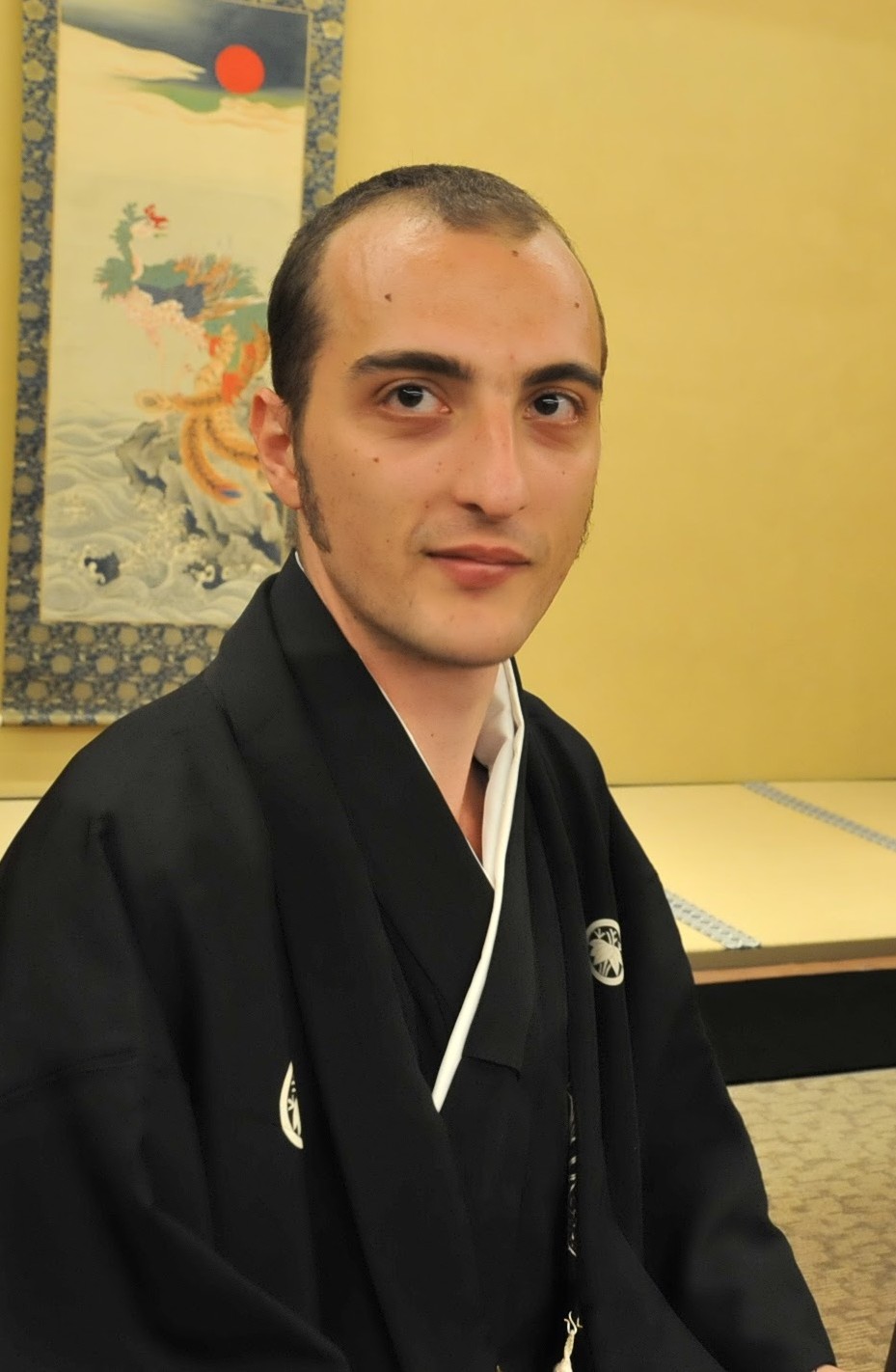
Awardee: Cosmin Mihail Florescu, Medical English Communications Center, University of Tsukuba
|
Dr. Cosmin Mihail Florescu joined the Medical English Communications Center at University of Tsukuba in 2022. Prior to this, he taught for six years at the International University for Health and Welfare School of Medicine. Before entering academia, he worked for nine years as a full-time interpreter and translator. His research has focused primarily on language testing and identifying effective approaches for learners seeking to improve their English proficiency. He is also part of a research team using corpus analysis methods to develop evidence-based vocabulary learning resources that help students master formulaic language more efficiently. Most recently, he completed his PhD at the University of Tsukuba, where his doctoral research examined differences in disease conceptualization between doctors and patients through corpus linguistic analysis. |
|
On the Replicability of Corpus-Derived Medical Word Lists
Florescu Mihail Cosmin
Institute of Medicine, University of Tsukuba
| Background: Currently, there are several English medical vocabulary lists available for use in the English for Medical Purposes (EMP) classroom or to develop materials for learners. Most of these lists have been developed using corpora containing medical research articles and/or medical textbooks. When deciding which words should be included, many researchers have adopted criteria from previous studies focused on academic vocabulary. Aims: This study will introduce a more systematic approach to building a corpus with the goal of creating a medical word list for learners of English aiming to study or practice medicine in an English-speaking country. Methods: A large corpus of medical textbooks (CoMeT; 28,384,681 running words) was developed using SketchEngine and was analyzed to extract high-frequency |
lemmas. Keyness and dispersion values for each lemma were used to plot a histogram to visualize clustering patterns. The histogram allowed for the determination of threshold values that appear to distinguish a medical vocabulary subset from a general vocabulary subset. Additionally, the replicability of the findings was evaluated the using two corpora (one medical, one non-medical) different from CoMeT. Results & Discussion: Our original vocabulary list—the Core Medical List; CoMeL—comprises a total of 2881 lemmas, includes significantly more medicine-specific words and has higher replicability compared to existing lists. We believe CoMeL may be a useful tool for learners and educators in EMP programs, including those aiming to undertake challenging medical licensing examinations in English-speaking countries. |