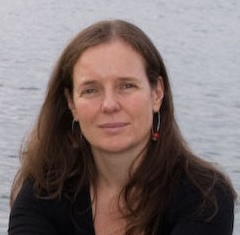
Dr. Leanne Guy is the Data Management Scientist at the Vera C. Rubin Observatory, She holds a Ph.D. in Experimental Particle Physics from the University of Melbourne, Australia and has over two decades experience developing data processing systems for astronomy and high-energy physics, bridging the boundary between high-performance computing and scientific analysis. Her current research interests are in time-domain astronomy and cosmology, with a focus on strong gravitational lensing, following earlier work at the Large Hadron Collider on matter–antimatter asymmetry and CP violation.
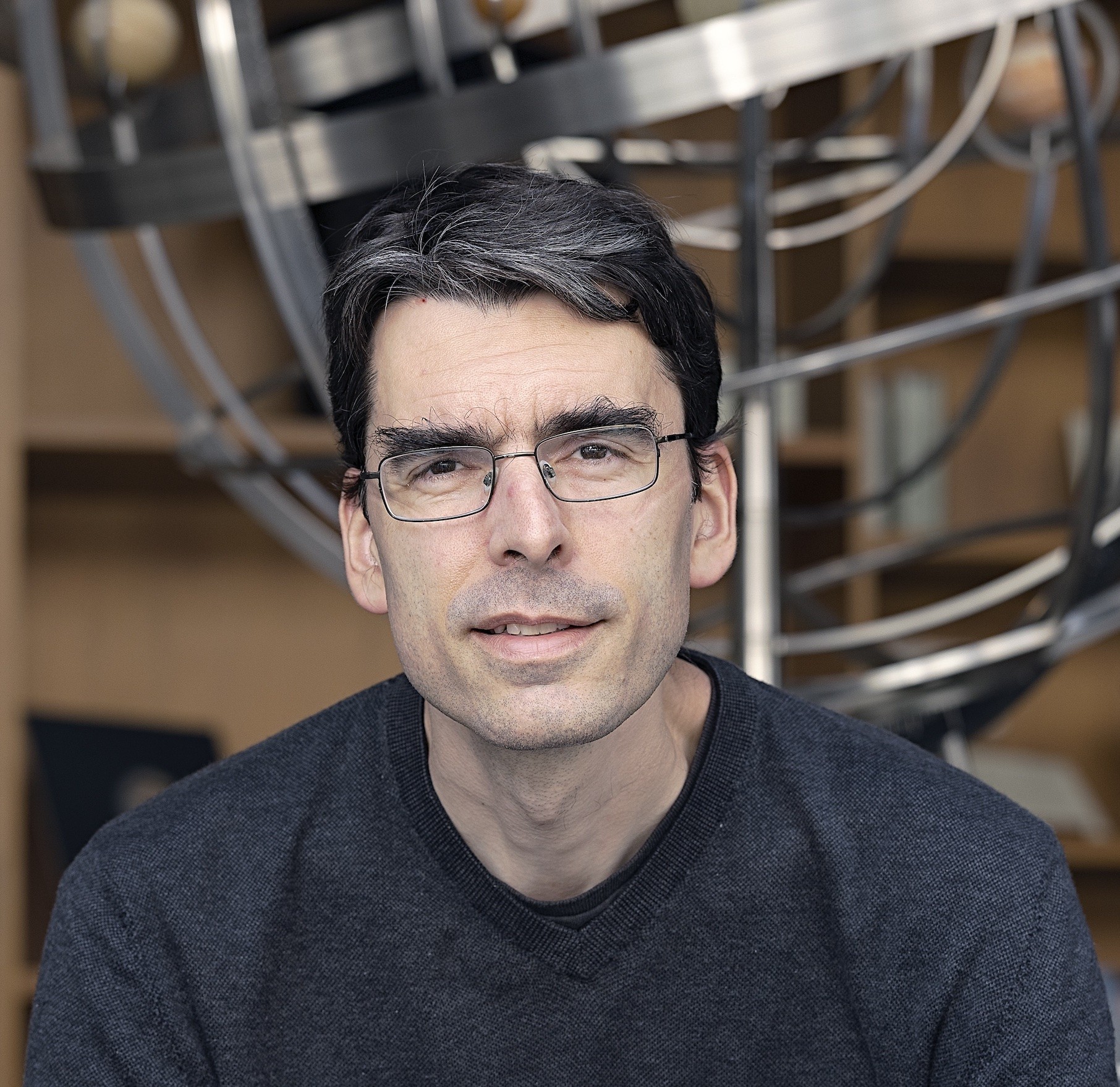
Professor Mario Juric is a professor of astronomy at the University of Washington (UW) and director emeritus of UW's Institute for Data-intensive Research in Astrophysics and Cosmology (DiRAC). He leads Rubin Observatory's efforts to discover and catalog asteroids, comets, and trans-Neptunian objects. His work focuses on using sky surveys to explore the solar system and the Milky Way, and astronomical data analytics with large datasets and AI.
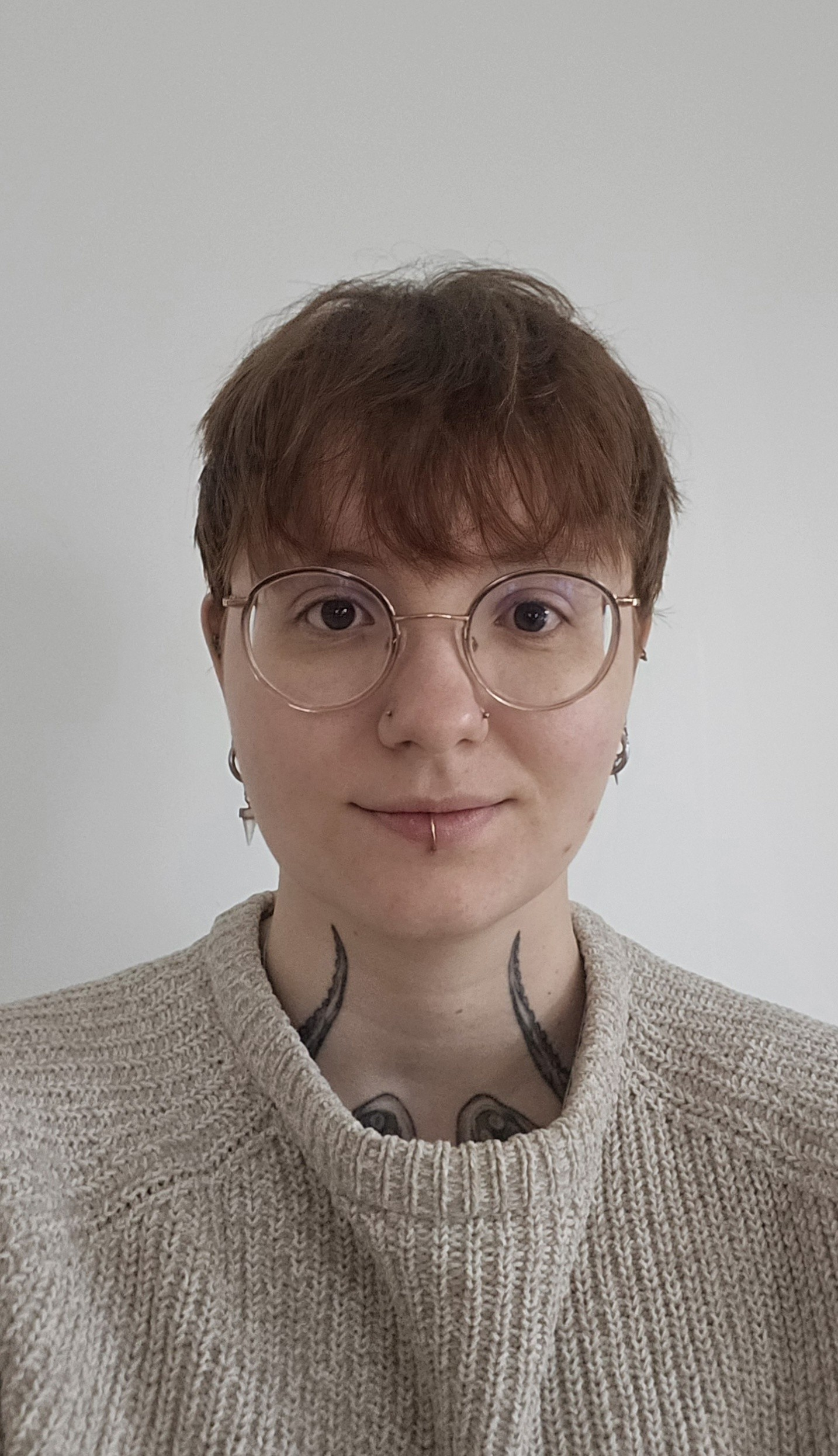
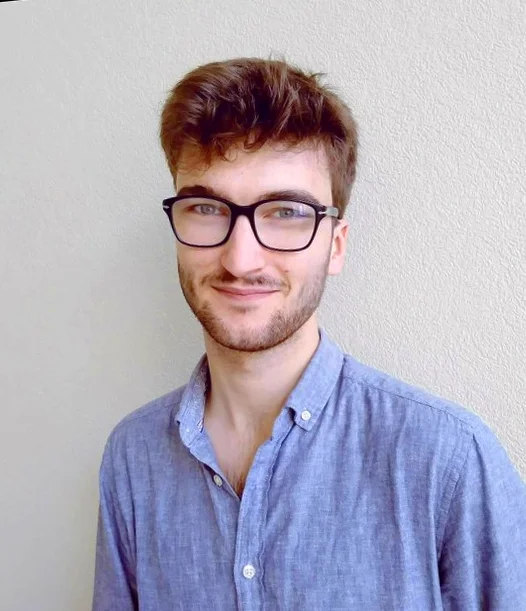
Dr. Frederik De Ceuster focuses on developing efficient and quantifiably accurate methods to simulate complex astrophysical processes, such as relativistic hydrodynamics, radiation transport, and chemistry. I like to test our understanding of physics by searching for ways to compare our most sophisticated models with our best observations. As a Research Scientist at the Leuven Gravity Institute, I’m developing numerical models for sources of gravitational waves. Using probabilistic numerics, I test our current best theory of gravity: Einstein’s theory of General Relativity. I have also worked on applications of machine learning in astrophysics, for instance developing neural surrogate models for radiation transport and astrochemistry, and to create 3D models based on astrophysical observations.
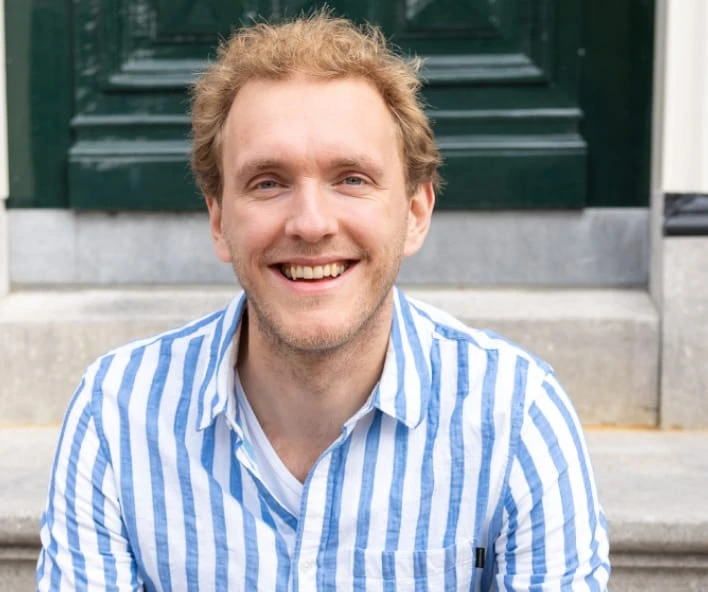
Spheer is a web-based Earth Observation platform powered by an in-house geospatial foundation model trained on time series of Sentinel-2 satellite data. On it, researchers, governments, land managers, and companies can develop custom monitoring solutions to analyze large areas and gain insights into biodiversity, agriculture, climate adaptation, infrastructure, and other spatial challenges. Jakko de Jong, director and cofounder of Spheer, did his PhD in Quantum Optics at the University of Groningen between 2012 and 2016. Having followed courses in Artificial Neural Networks, and experimenting with machine learning in his free time while CNNs started to beat everyone at ImageNet, he decided to switch fields.
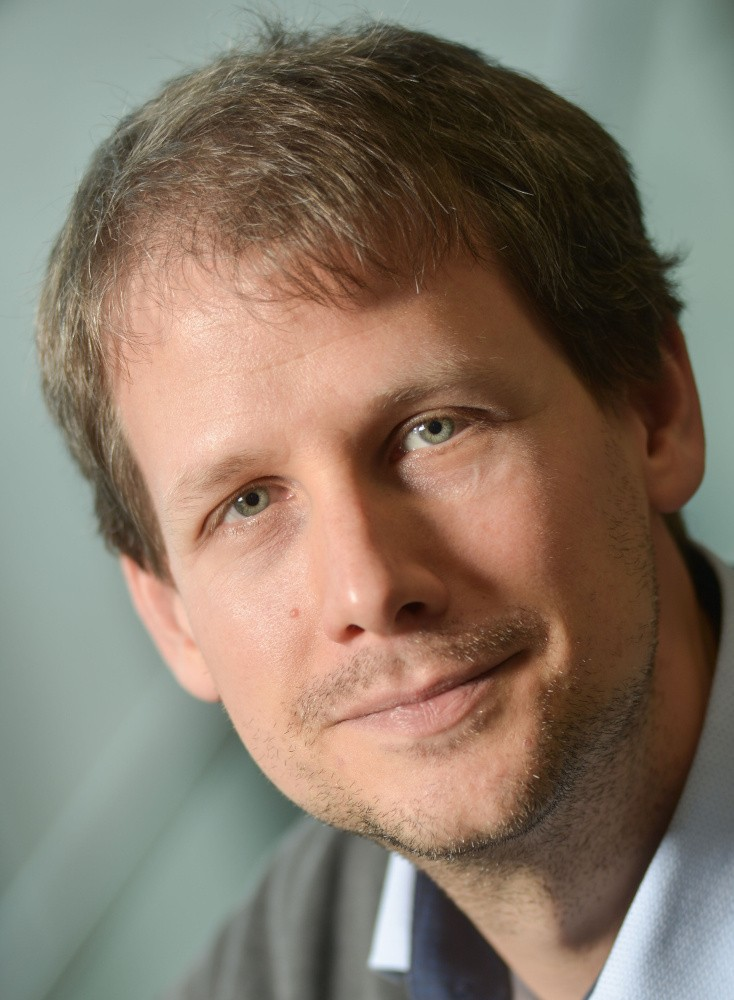
Bernd Doser is a senior scientific software engineer at the Heidelberg Institute for Theoretical Studies. His role involves implementing modern software engineering practices and maintaining various open-source packages across multiple scientific disciplines. Bernd has a PhD in computational chemistry and is an expert in high-performance computing, numerical algorithms, and machine learning.
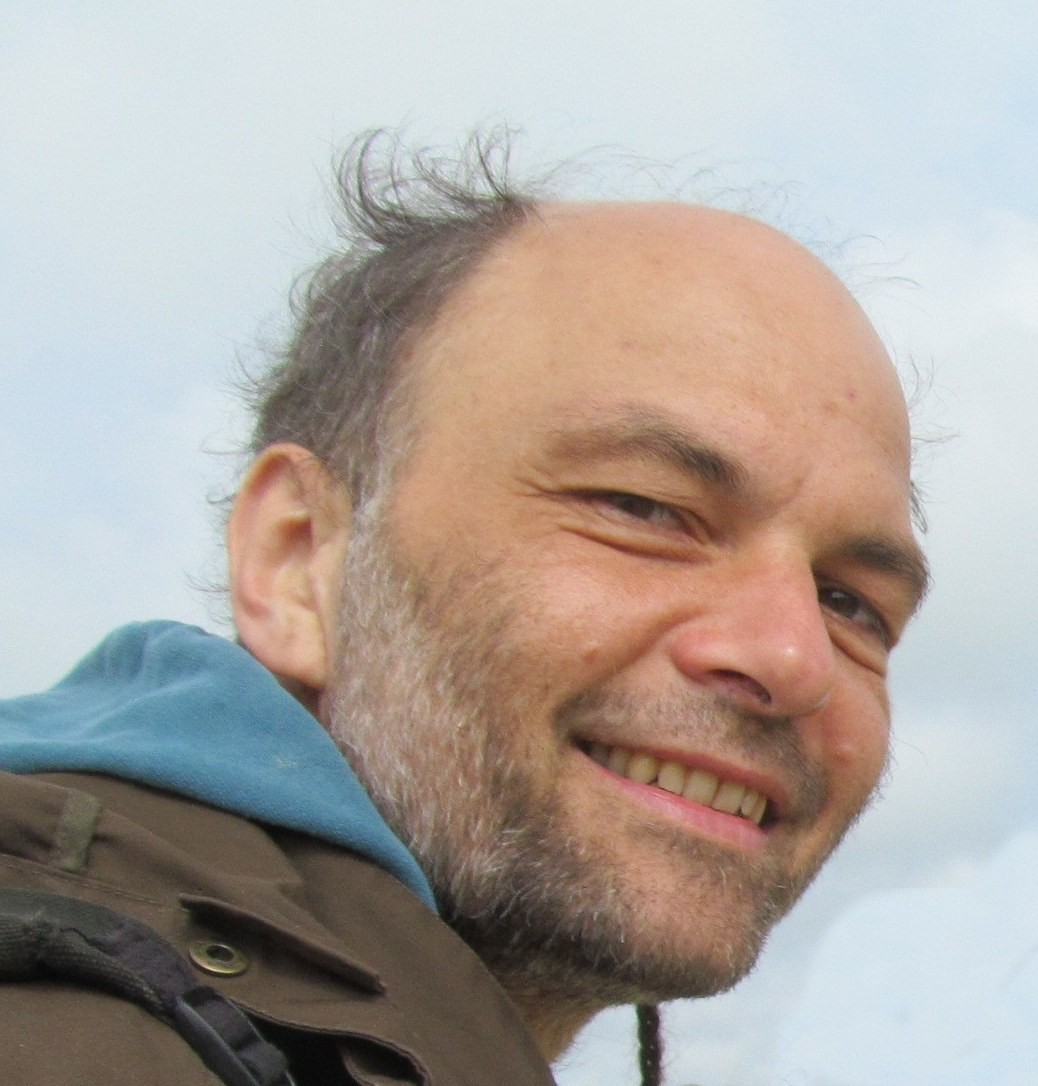
Markus Demleitner studied physics, math and astronomy at the universities of Erlangen/Nürnberg and Heidelberg, Germany. He did his PhD in astronomy at Heidelberg University in 2000, working out analytic solutions for certain classes of galactic disks. Even before that, he had joined the staff of the Smithsonian Astrophysical Observatory (Cambridge, MA) in 1999, to help ADS in, among other things, abstract and reference extraction and organising the article holdings. In 2001, he returned to Heidelberg, accepting a teaching post in computational linguistics before returning to astronomy in 2007. He has been contributing to the Virtual Observatory effort ever since, primarily through developing the data center software DaCHS and contributions to numerous standards. This entails intense activities in several working groups of the IVOA; right now, Markus is vice-chair of the Solar System interest group.
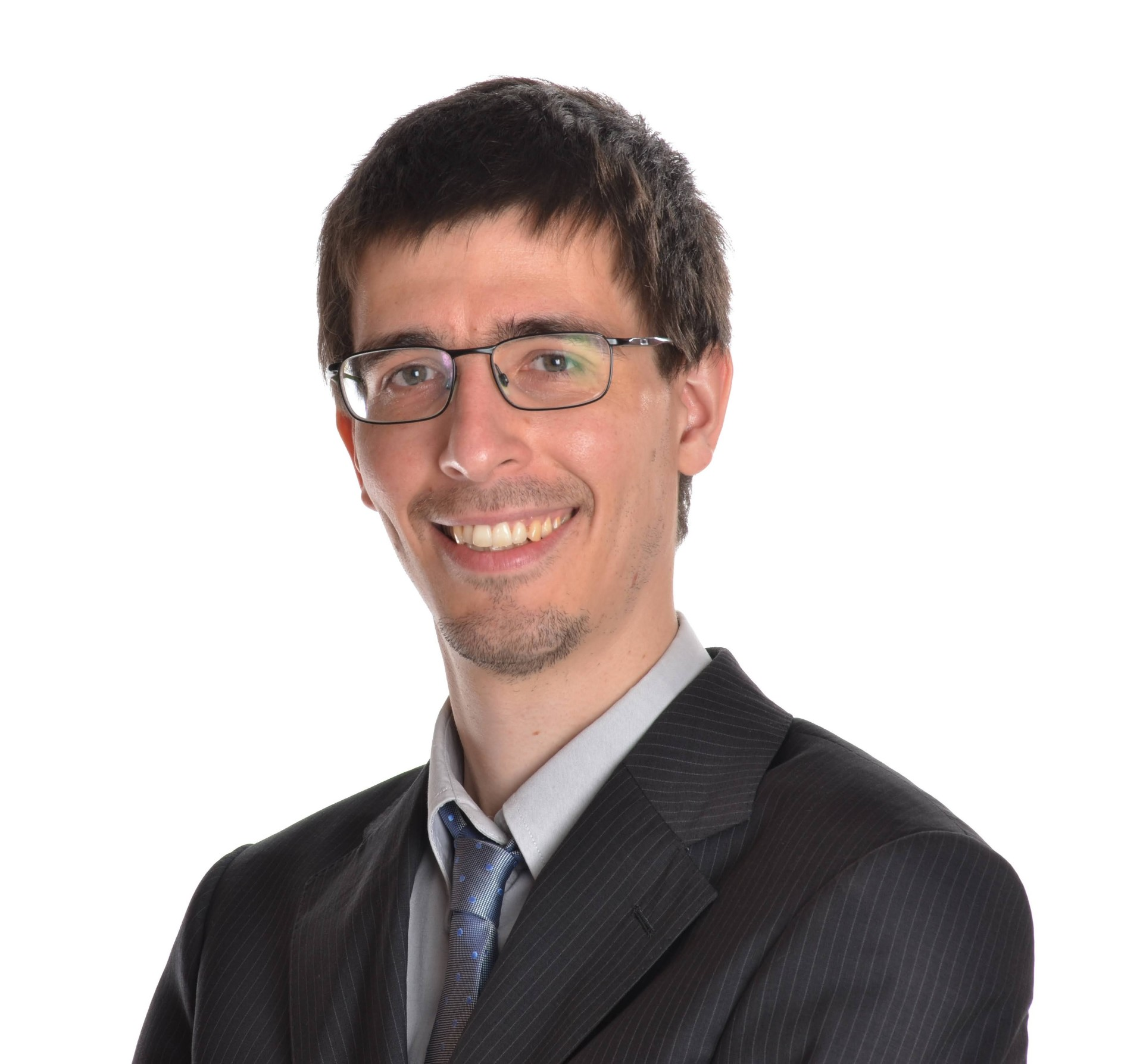
After 10 years in astronomy, Dr. Bert Vandenbroucke left the field to become a Software Development Manager at Bricsys, where he leads the core 3D team that is responsible for the 3D functionality in BricsCAD, a professional CAD application. His fields of expertise are software design and development in C, C++ and Python, geometrical modeling, computational hydrodynamics, high performance computing, and parallel computing.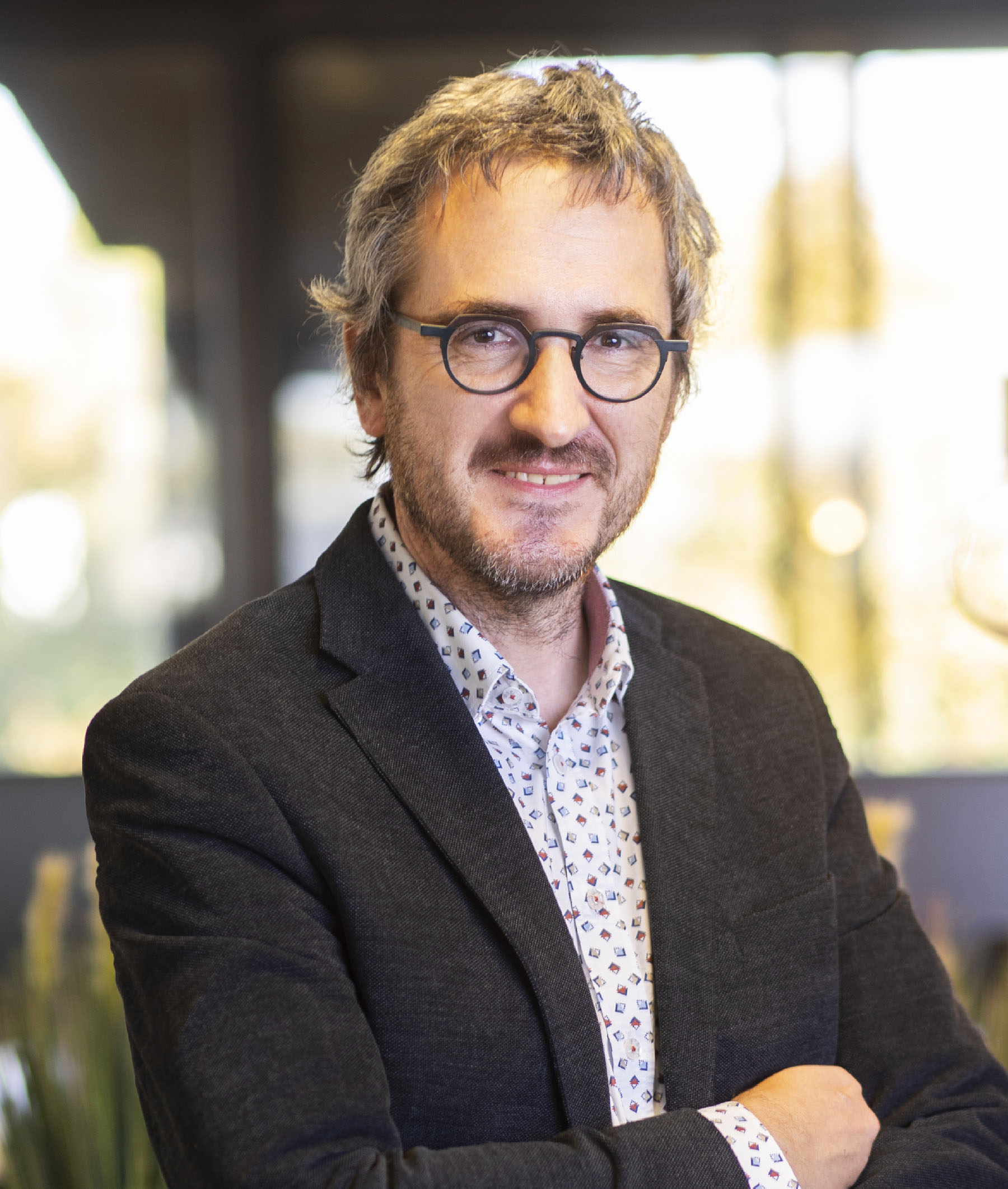
Paul Vauterin studied physics and earned a PhD in astrophysics from Ghent University, where his research focused on galactic dynamics and the emergence of spiral instabilities in disk galaxies. Following his doctoral work, he transitioned into the life sciences, developing innovative software solutions for the analysis and interpretation of biological data in public health, diagnostics, and drug discovery. He has worked across academia (University of Oxford) and industry as a researcher, entrepreneur, and industry leader. A significant part of his work has centered on applying visual analytics to enable the interpretation of large-scale multi-omics datasets. During a sabbatical in cosmology, he developed ARGOS, a visual analytics platform designed for the interactive exploration of cosmological simulation data.