
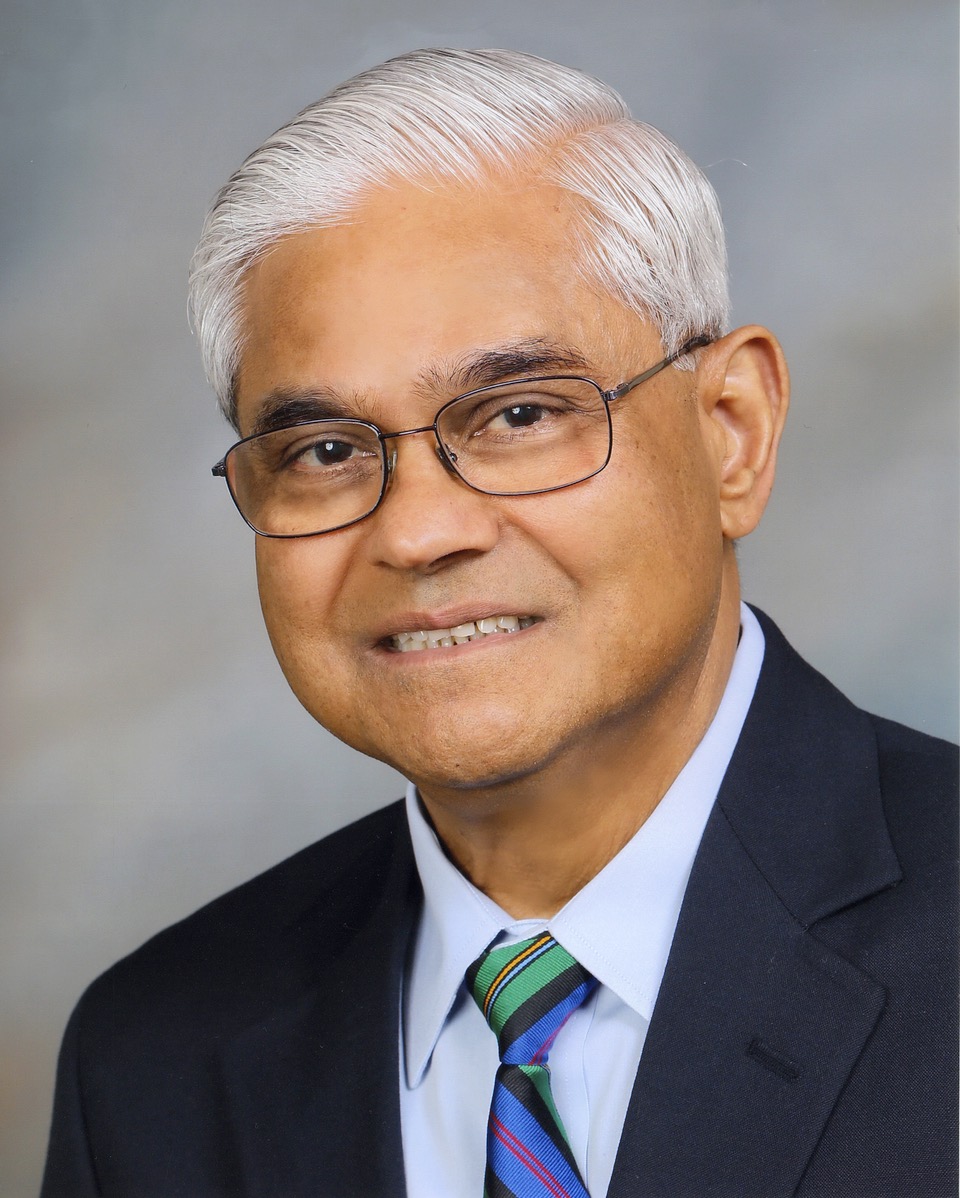
Climate Change: Science, Politics, Ethics, and Hopeful Solutions [Keynote speech] - Dr. Jagadish Shukla
 |
Plenary talk on sustainability of gaseous gas detectors - Prof. Archana Sharma
 |
Archana Sharma is a distinguished Indian physicist and senior scientist at the CERN in Geneva, Switzerland. She is a member of the CMS collaboration and is internationally recognized for her work in instrumentation and gaseous detectors, specifically for her pioneering work on micro-pattern gaseous detectors. She received the Pravasi Bharatiya Samman Award in 2023 for her contribution in science and technology. |
Plenary talk on The CERN LDG Sustainability Panel Update - Ben Shepherd
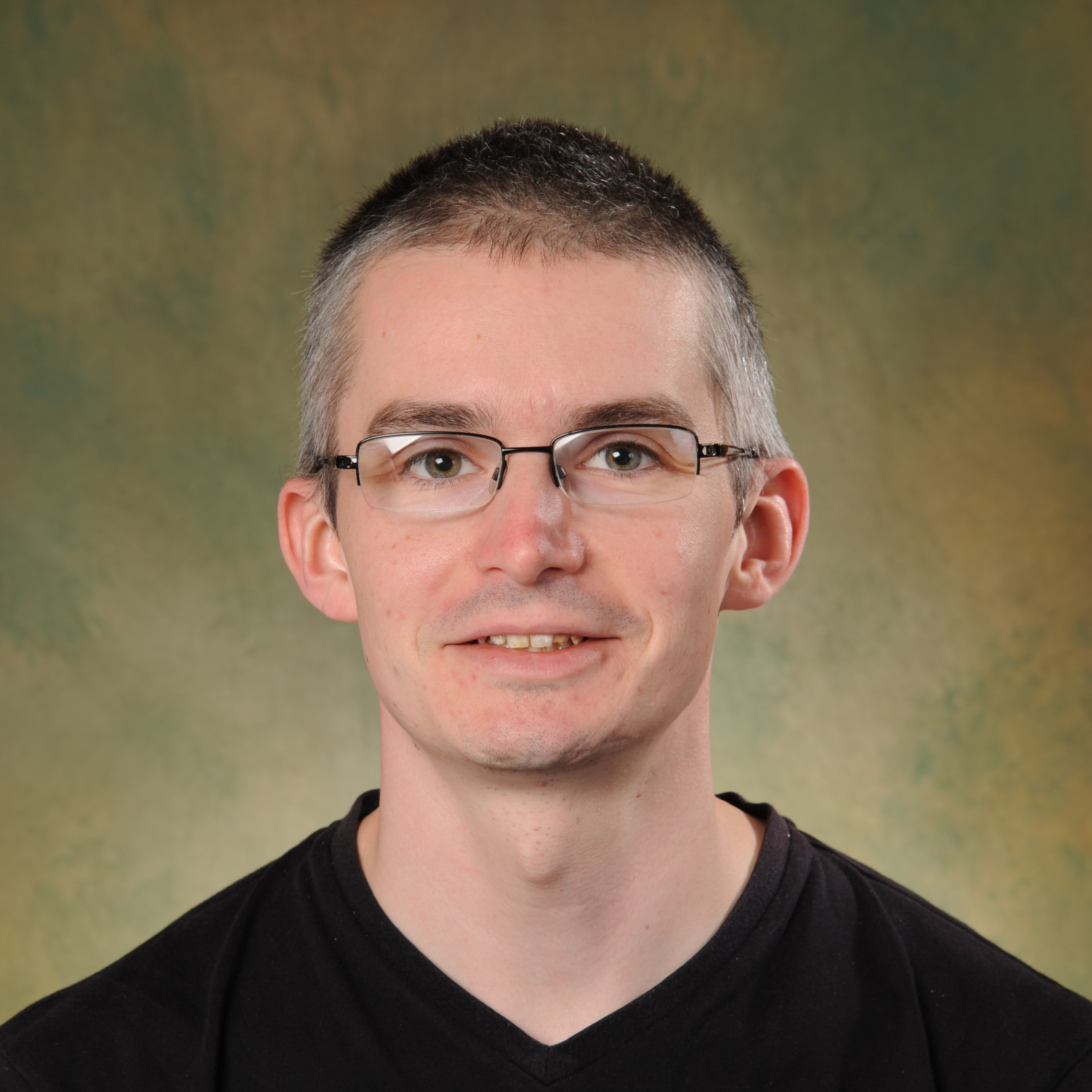 |
Ben Shepherd is the group leader of the Magnetics and Radiation Sources Group, and chairs ASTeC's Sustainable Accelerators Task Force. He has over 20 years of experience designing, building and testing novel magnetic systems for accelerators. He is passionate about sustainability and is keen to ensure that we build and operate future accelerators in the most efficient way possible. |
Plenary talk on the sustainability of food systems - Dr Juan Pablo Cordero Garayar
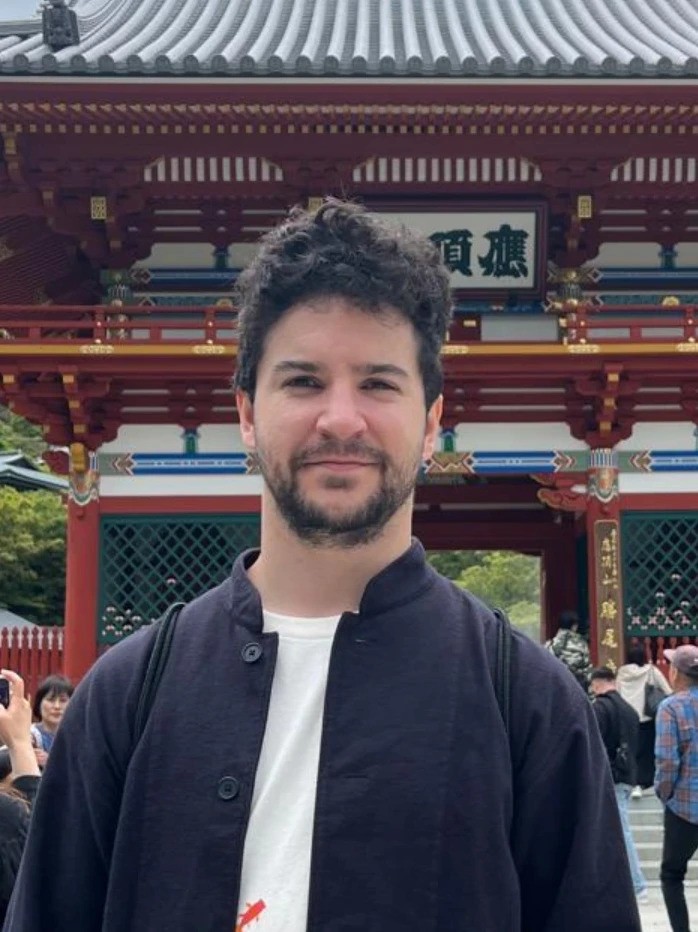 |
Juan Pablo is a data scientist with a PhD in Astrophysics from The University of Manchester, and has previously worked in large international scientific collaborations such as the Dark Energy Survey and the SkyPy collaboration. Since then he has transitioned towards environmental research, and particularly, the greenhouse emissions from food systems and socioeconomic impacts of reducing their environmental footprint. His current research focuses on the development of open source predictive models to promote transparent food policy-making. This includes developing interactive tools such as the Future Food Calculator, which bridge the gap between researchers and policy makers. He is currently part of the "Backcasting to Achieve Food Resilience in the UK" project (BAFR-UK) where he co-develops models of in-crisis food systems and the required strategies to achieve environmental and socio economic goals under external shocks and crises |
From HEP to Sustainability: A panel discussion on career trajectories of particle physicists in the climate science and beyond
The opinions voiced by the panellists during this panel are their own, and do not necessarily represent the views of their company or employer.
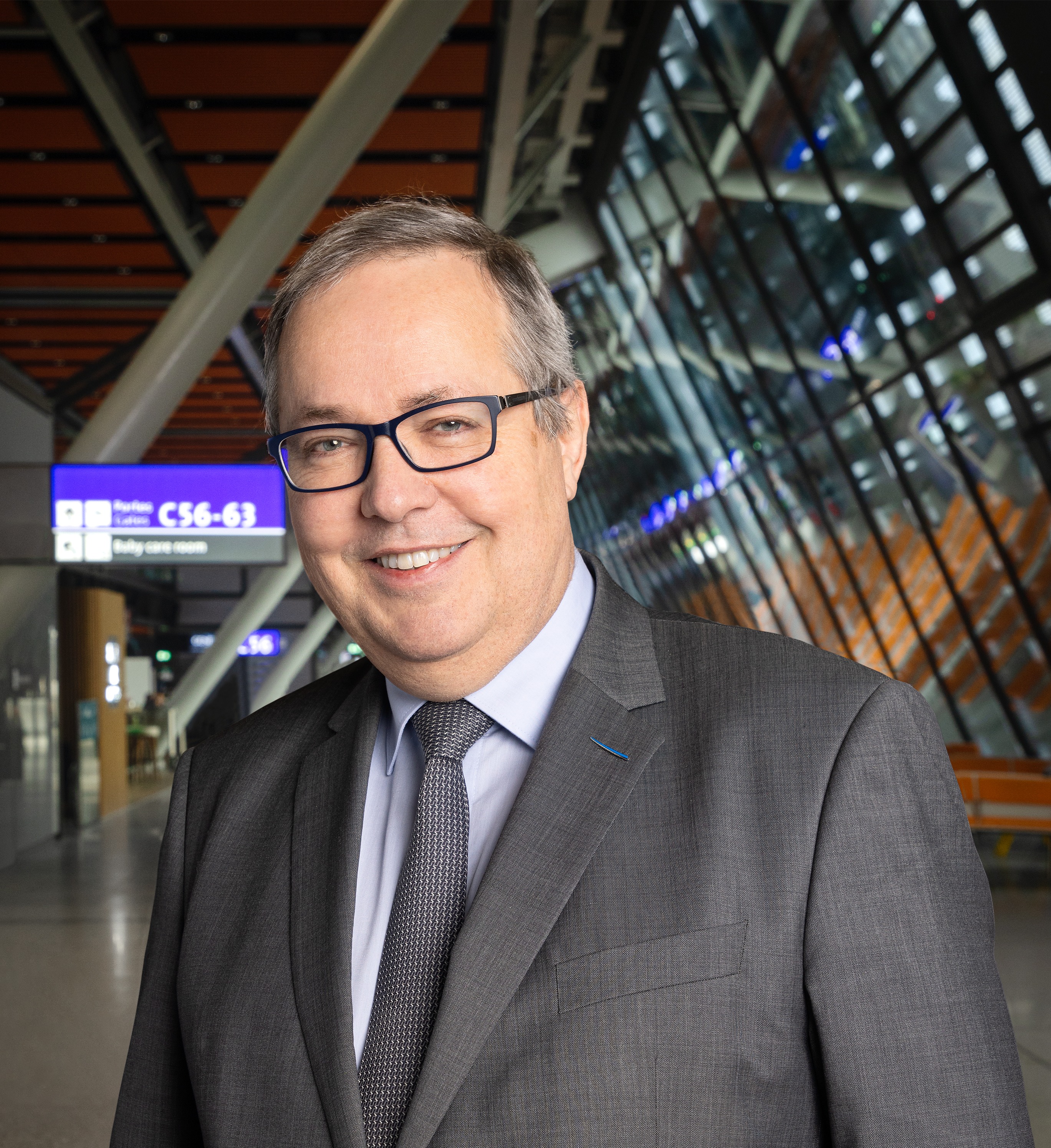
Dr. André Schneider - Chairman of World Climate Foundation
Laura Bianchi - Sustainability Officer
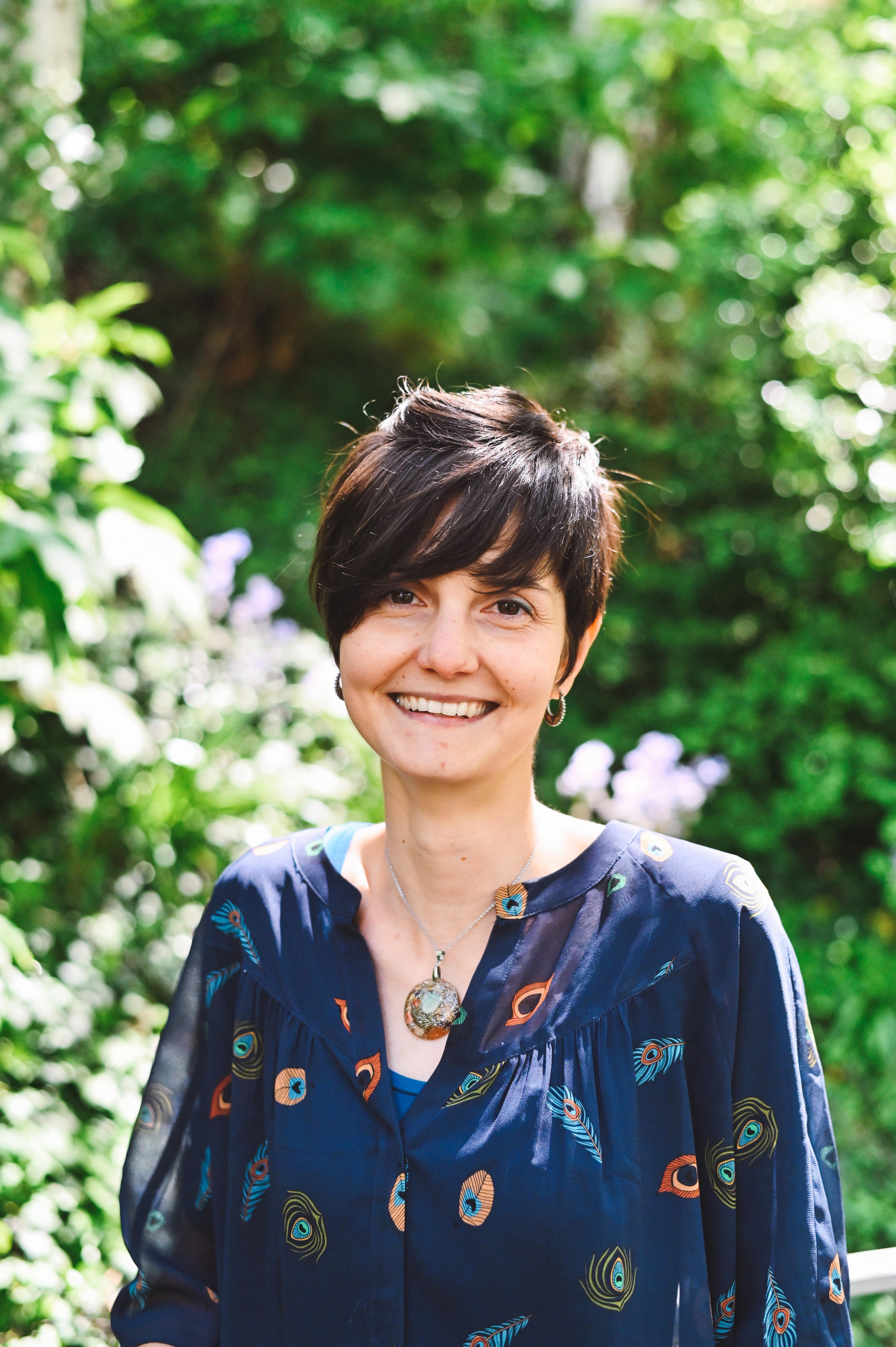 |
Laura has a background in mechanical engineering and began her career at CERN’s engineering department, where she spent five years working on thermophysical analysis and advanced mechanical sensors. Driven by a lifelong ambition to contribute to a more sustainable world, she resumed her studies in 2021 to specialize in environmental management. She started a new career in sustainability, first within the plastics industry and later as a consultant in Swiss Romandie. Since June 2025, Laura has worked as Sustainability Officer in the machine tools sector. |
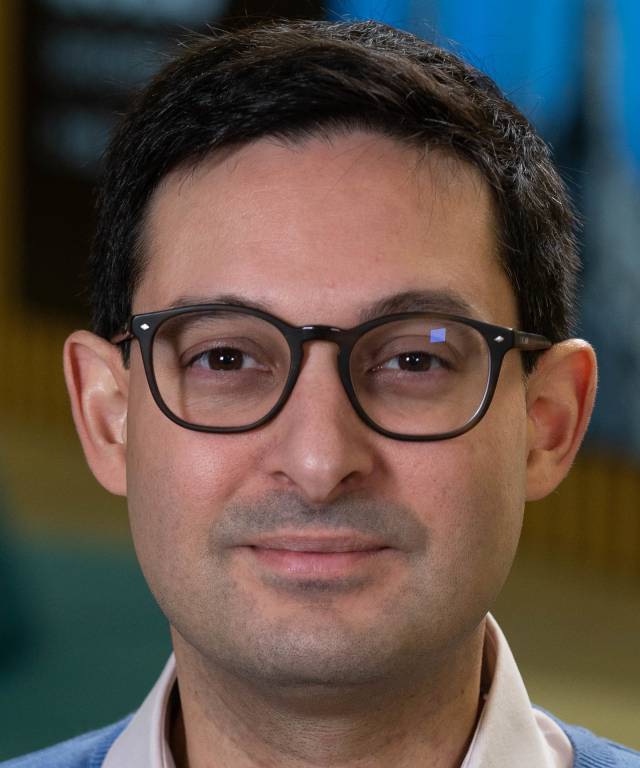
Dr. James Robinson - Engineering lead for Environmental Forecasting at the Turing Institute
Lia Formenti - Junior Toolchain Developer GHGSAT (Methane emissions mapping)
 |
Lia has a Master's in high energy physics from McGill University, where she characterized 54 small-strip thin gap chambers now installed in the ATLAS experiment at CERN. Honoured to have worked with so many international collaborators on such a large-scale project, she nonetheless looked outside of particle physics and academia for a position that would allow her to tackle more immediate problems in sustainability. This led her to GHGSat, a company that does greenhouse gas monitoring with satellites and aircraft, where she started as a software developer in 2023.
Lia also loves to participate in science outreach. She spent two years organizing online events for secondary students across Canada while working at Let's Talk Science. She still participates in science outreach events every chance she gets.
|
Dr. Raluca Crucera - Information Systems Officer - UNEP
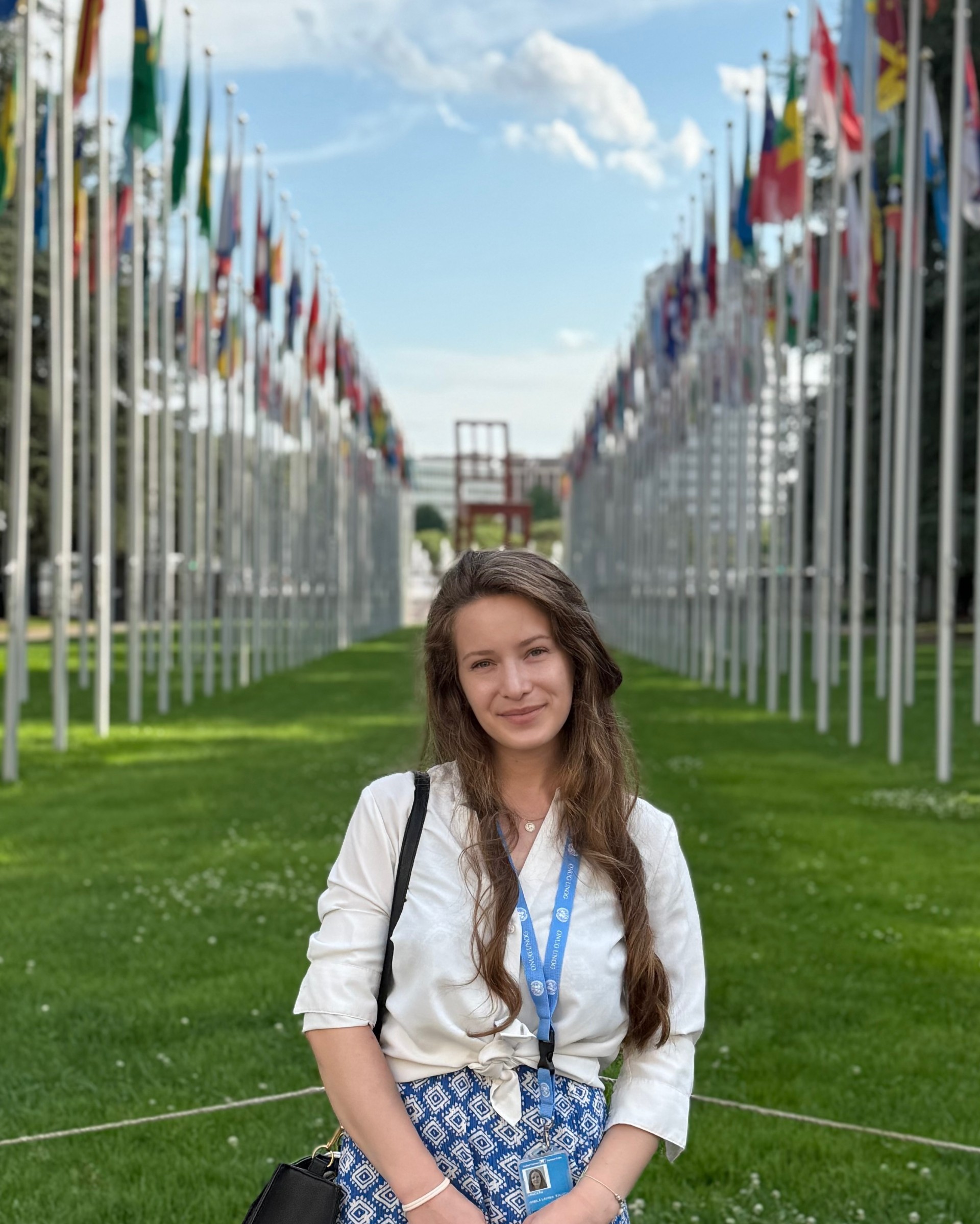 |
Raluca is an Information Systems Officer at UNEP, where she leads the development of InforMEA, the United Nations portal on Multilateral Environmental Agreements. She began her career at CERN as a Technical Student in the Engineering Department while completing her Computer Science degree at the University of Manchester. After graduation, she returned to CERN and joined the ALICE experiment as a Full-Stack Software Engineer, developing large-scale data analysis systems for the global particle physics community.
Today, she applies her experience in scientific computing, data management, and international collaboration to support environmental governance and sustainability initiatives. Alongside leading digital platform development, she works closely with environmental convention secretariats, governments, UN agencies, and partner organizations, supporting knowledge exchange through workshops, capacity-building activities, international events, and multilateral cooperation. |