Motivation
Increased electricity demand, electrification, decarbonization, and resilience goals for 2030–2050 require firm, low‑carbon power and high‑temperature heat that complement renewables and modern grids. Nuclear technologies—including Small Modular Reactors (SMRs) and Microreactors (MMRs), to fusion R&D and advanced fuel cycles—are re‑emerging as practical tools for clean electricity, process heat, desalination, hydrogen production and energy storage. In parallel, nuclear‑enabled technologies continue to transform medicine, sensing, and materials science.
Background
IEEE SusTech “Inter-Society, Engagement & Collaboration Committee” is developing a multi‑society project to IEEE SusTech “Inter-Society, Engagement & Collaboration Committee” is developing a multi‑society project to evaluate possible collaborations with university campuses hosting MMRs.
https://sustech.ieee.org/iec-committee/
IEEE NPSS organized two workshops showcasing NPSS assets in nuclear and plasma fields: “Nuclear and Power Solutions for Energy and Society” (Tampa, 2024) and “Nuclear and Power Opportunities for Energy and Society” (Yokohama, 2025).
The IEEE Future Directions Second Webinar Series on Nuclear Energy is proposing cutting edge presentations throughout 2026 with unprecedented attendance.
https://futuredirections.ieee.org/ieee-second-presentation-series-on-nuclear-energy/
The IEEE Future Direction Alternative Energy Generation and Storage Initiative was approved in Fall 2024 and started in Spring 2025.
Building on this momentum, The Nuclear Energy and Applications In-Person Workshop aims to bring together communities that do not often engage directly with one another, including IEEE NPSS, IEEE PES and Smart Grid, IEEE Standards, reliability engineers, control and power electronics specialists, the IEEE Computer Society, and experts in social, ethical, and policy aspects of technology. The workshop will also welcome external partners such as the American Nuclear Society (ANS), the Canadian Nuclear Society (CNS), and the International Atomic Energy Agency (IAEA)
Objective
The objective of the Nuclear Energy and Applications Workshop is to identify critical gaps, emerging opportunities, and innovative solutions that can accelerate the nuclear energy transition and advance applications of nuclear science and technology. Through interdisciplinary dialogue, participants will examine the technical, regulatory, societal, and workforce challenges associated with the deployment of next-generation nuclear technologies.
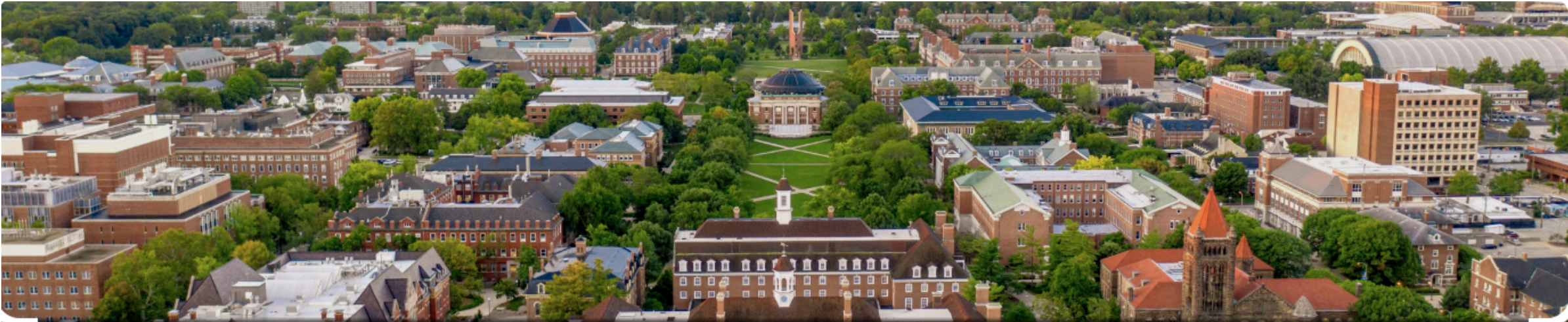
The workshop will be hosted by the University of Illinois Urbana-Champaign, home of the NANO-KRONOS microreactor project, which is expected to become one of the first university-operated advanced reactors in the United States before 2030.