Choose timezone
Your profile timezone:
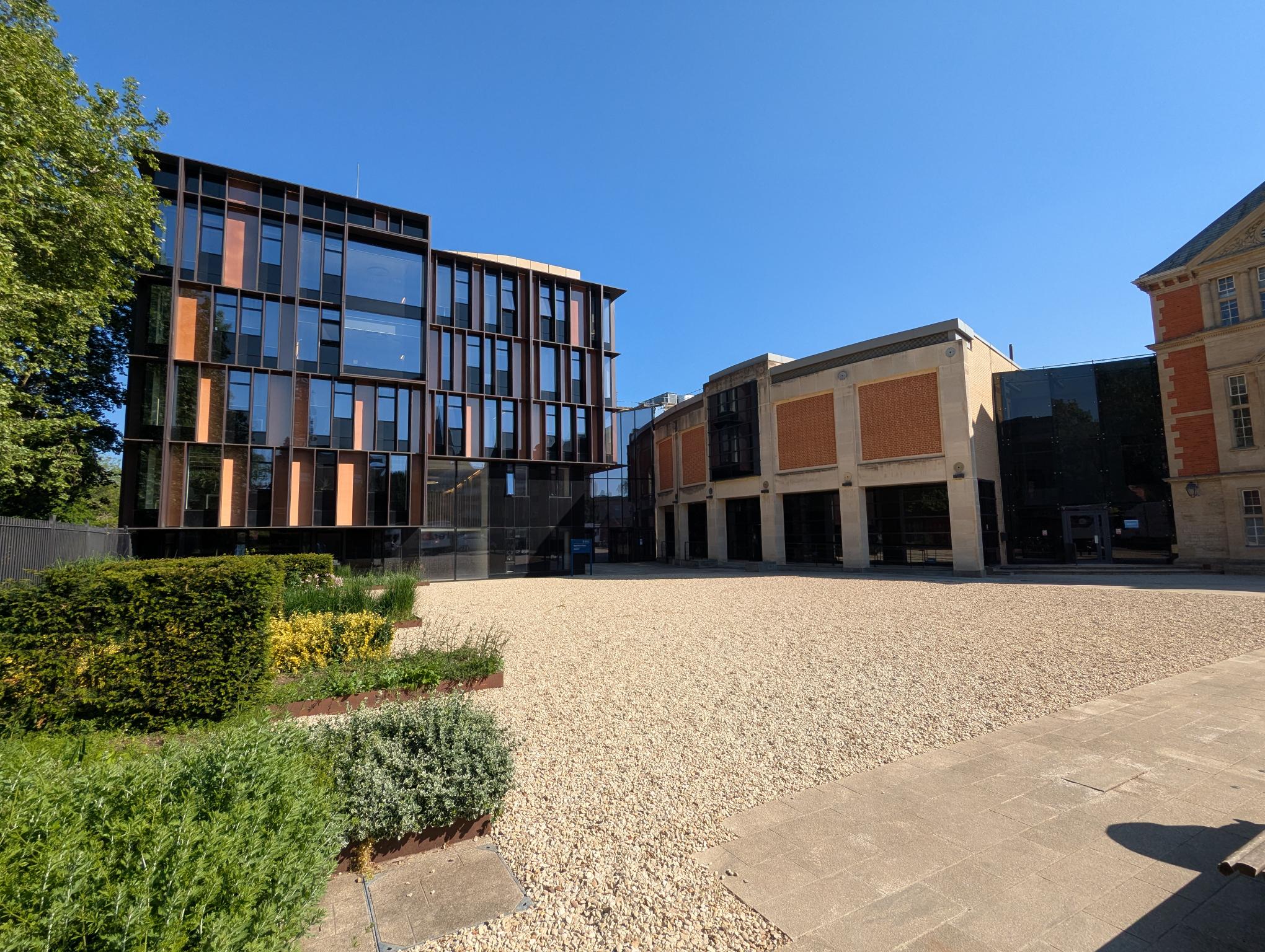
The Space Charge 2026 workshop will be held from 30 September to 2 October 2026 at the University of Oxford in the Physics Department and at Trinity College, hosted jointly by the John Adams Institute and the ISIS Neutron and Muon Source. As an exclusively in-person event, this three-day workshop will address the fundamental challenges that define the high-intensity frontier of accelerator physics.
Building on the momentum of major facility upgrades and achievements -- including SNS, J-PARC, CERN LIU, and CSNS -- and following earlier successful editions around the world at CERN (CH, 2013), Oxford (UK, 2015), Darmstadt (DE, 2017), CERN (CH, 2019), Knoxville (US, 2022), and Dongguan (PRC, 2024), this 7th ICFA mini-workshop on space charge comes at a decisive moment. The focus will be on distilling lessons learned, consolidating strategies, and quantifying their impact to increase the space charge limit with excellent control of beam loss.
With the next generation of high-intensity and high-power accelerator facilities on the horizon, Space Charge 2026 aims to provide the community with a clear synthesis of current understanding and a roadmap for future studies.
Registration opens on Tuesday afternoon 29 September at 5pm in the Denys Wilkinson Building. The banquet will take place at Trinity College on Thursday evening, 1 October.
We look forward to welcoming you in Oxford.
Adrian and Shinji




Privacy notice: The information you provide will only be used for this in-person event. For additional information about our privacy practices, please see here.
Refreshments will be available. Poster contributions may be set up in the Fisher Room at the main workshop venue, the Denys Wilkinson Building.
Experiments and Operational Considerations
Lead talk session A-1.
Beam performance achievements in the CERN accelerator complex in the LIU era:
The CERN injector complex underwent significant changes under the LHC Injectors Upgrade (LIU) project during Long Shutdown 2 (LS2). The primary goal of the LIU project was to prepare the complex for the High Luminosity LHC (HL-LHC) era, with a particular focus on extending the brightness reach of the beams. Beyond this core objective, the upgrades have delivered broad benefits across the entire CERN accelerator complex, enhancing overall operational performance. Following the conclusion of one of the most successful runs in the injectors, this contribution reviews the key beam performance achievements across the CERN accelerator complex during Run 3. It highlights the most important lessons learnt and outlines the strategy for restarting the machines for the start of the HL-LHC operation.
The 3-GeV RCS (Rapid Cycling Synchrotron) of J-PARC accelerates 8.33E13 protons per pulse from 0.4 GeV to 3 GeV at a repetition rare of 25 Hz for 1 MW output beam power. We have already achieved stable operation at the designed 1 MW beam power by sufficiently minimizing the beam loss [1]. The residual beam loss is mostly caused by the unavoidable foil scattering beam loss, occurring around injection period. To cope with upgrades of the downstream facilities, recently we have conducted 1.5 MW beam test by increasing 25% and 20% of the injection peak current and pulse length, respectively. To overcome the space charge effect at 1.5 times higher beam intensity in the RCS, careful optimizations have been done for both transverse and longitudinal injection paintings. In addition, an extremely wider and uniform momentum spread of the injection beam was utilized. As a result, the beam loss at 1.5 MW has also been significantly reduced. The measured beam loss is estimated to be less than 0.1% occurring only at lower beam energy dominating by the foil scattering of the circulating beam during injection period and well localized at the collimator section. The beam loss power has been estimated to be only less than 0.2 kW, significantly lower than the collimator capacity of 4 kW. The machine activation at 1.5 MW can be thus kept at a sufficiently low level as of present 1 MW operation. The details of beam test and numerical simulation results will be presented.
The High Intensity heavy-ion Accelerator Facility (HIAF) is a next-generation accelerator complex designed to provide high-intensity heavy-ion beams for nuclear physics, atomic physics, high-energy-density matter, and related interdisciplinary research. Achieving the design beam intensity requires addressing a series of beam-dynamics and technical challenges, including high-current ion injection and accumulation, space-charge effects, fast ramping in synchrotrons, beam loss control, machine protection, high-power RF systems, and reliable operation of complex accelerator subsystems. This talk will review the main high-intensity challenges in the HIAF project and summarize recent progress in accelerator construction, beam commissioning, key hardware systems, and beam performance. The presentation will also discuss ongoing efforts toward intensity upgrade, beam-loss mitigation, and stable operation, as well as the role of HIAF as a platform for future high-intensity heavy-ion accelerator research.
The Fermilab Accelerator Complex currently delivers the world’s most powerful neutrino beam, powered by a 1 MW, 120 GeV proton beam from the Main Injector. The forthcoming PIP-II upgrade will increase beam delivery demands, requiring the Main Injector and Recycler to stack and accelerate roughly 50% more beam with only limited upgrades to the existing complex.
This talk will review recent high-intensity performance achievements and identify the key limitations that must be addressed to support future operation. Particular focus will be placed on space-charge-driven intensity limits, beam loss and operational constraints in the Recycler and Main Injector.
The beam commissioning of the CSNS RCS began in 2017. Over the years, the CSNS RCS has achieved step-by-step progress, including successful beam accumulation, acceleration to 1.6 GeV, and a gradual increase of beam power from 10 kW to over 185 kW on target.
Currently, the upgrade project of the CSNS (CSNS-II) is ongoing. The primary goal of CSNS-II is to further increase beam power to 500 kW. To achieve this, studies are being conducted on various aspects, including new injection system commissioning, longitudinal dynamics optimization, beam loss optimization, closed orbit correction, and using advanced techniques like Bayesian optimization.
This talk give a summarize of the high intensity beam commissioning studies performed on the CSNS RCS, covering both the achievements to date and the ongoing research toward the CSNS-II power upgrade.
Machine Design and Numerical Modelling of Beam Dynamics
Lead talk session B-4.
This talk outlines the key challenges of high-intensity ring design through the lens of the design and operation of ISIS, that of high-intensity machines worldwide, and particularly the design of the MW class neutron source ISIS-II. ISIS is the high-intensity pulsed neutron and muon source at the Rutherford Appleton Laboratory in the UK. Operation centres on a rapid cycling proton synchrotron (RCS) that accelerates 3e13 protons per pulse from 70 to 800 MeV at 50 Hz, delivering a mean beam power of 0.2 MW. In this talk we clarify what we mean by high-intensity and discuss the importance of effective modelling, understanding, minimising and controlling of beam-loss mechanisms. Is it possible to push the intensity frontier whilst maintaining flexibility and reliability?
In designing high-intensity proton synchrotrons, discussions often focus on the magnitude of the tune shift, that is, the linear effects of space charge. This is because the strength of space charge is generally considered to be characterized by the magnitude of the tune shift. Consequently, space-charge mitigation has traditionally been almost synonymous with tune-shift mitigation. Typical countermeasures have included accepting large-emittance beams by increasing the ring aperture, raising the injection momentum, and bunch lengthening in the longitudinal direction. These are indeed robust and effective approaches. However, when asked how a ring should be designed for high-intensity operation, it has been difficult to give an answer beyond simply increasing the aperture at additional cost.
A discussion of beam loss requires consideration not only of linear effects but also of nonlinear effects, and the nonlinear space-charge effects cannot be characterized solely by the Laslett parameter. Unlike resonances induced by magnetic fields, the correction of nonlinear space-charge effects is particularly challenging because space charge is inherently intensity-dependent and acts around the entire ring. On the other hand, nonlinear space-charge effects are largely determined at the ring-design stage. It is therefore important to pursue a design that suppresses these nonlinear effects as much as possible.
We have therefore devised a lattice design that locally corrects nonlinear space-charge effects, specifically within the arc sections, thereby suppressing their overall impact. Using the J-PARC MR as an example, we verified the effectiveness of this design through theory, simulations, and experiments.
This talk will describe planned experiments to validate theoretical and computational models of space charge effects in the SNS Accumulator Ring (AR). I will discuss the potential to leverage the world-leading bunch intensity (2.25e14), flexible energy range (800-1300 MeV), four-dimensional phase space painting, and longitudinal bunch compression in the AR to push the tune shift to large values (greater than 0.5). I will also highlight the diagnostics available to image the phase space distribution during beam accumulation and storage. Together, these capabilities could advance our understanding of intense beams and provide valuable benchmarks for computer simulations.
In the design of future accelerators that push the high intensity frontier, such as ISIS-II, an outstanding question remains on how the choice of bare tune affects the space charge limit. As the bare tunes reflect the transverse focusing of each plane, different accelerator types, with different focusing schemes, such as synchrotrons or fixed-field alternating gradient accelerators (FFA’s), may be better suited for operations in different regions of tune space. Investigating these tune regions, and the subsequent transverse beam shapes, will alter the space charge tune shift footprint, potentially opening tune space where higher intensities can be reached.
Lunch Buffet
Open Topics in Space-Charge Beam Physics
Space charge effects in combination with betatron resonances limit the performance of high-brightness LHC beams in the CERN Super Proton Synchrotron (SPS). Here we report on experimental studies performed with single-bunch proton beams, monitoring transverse emittance evolution and particle losses while performing tune scans across the horizontal and vertical planes. Two significant resonances were identified: a coupled resonance leading to emittance growth in the horizontal plane and a corresponding emittance decrease in the vertical plane, and another coupled resonance directly associated with particle losses. The resonances identified in these studies could explain the limitations of the beam brightness encountered with the multi-bunch LHC-type beams in the SPS, thus providing valuable insights for the optimization of the high-intensity beams performance.
The half integer resonance is a potential cause of significant emittance growth, beam loss, and thus a possible performance limitation on high intensity hadron rings. Of key importance is the transverse redistribution of the beam with space charge, as it approaches resonance (in most cases from above). The behaviour is a combination of both coherent and incoherent effects whose relative importance has a sensitive dependence on a few key parameters: a better understanding of these would be a valuable tool in minimising loss.
Using simulations and measurements of resonance crossing on the ISIS synchrotron in storage ring mode, with coasting beams and various optimised tune ramps, we investigate evolution of profiles and compare them with predictions from simple theoretical models. In particular, resonance models with frozen space charge for representative distributions, provide useful predictions of location and locus of stable and unstable fixed points as the beam distributions evolve. The hope is that these models will give useful insight and better understanding of observed redistributions of beam with space charge, allowing for improved control. The relation of these and other relevant measurements to losses in operational RCS mode will also be reviewed.
Third order resonances of 3νx=64 and νx+2νy=64 have been corrected for the high intensity operation of the main ring (MR) of the Japan Proton Accelerator Research Complex (J-PARC). The cause of the third order resonances would be error magnetic fields of the sextupole components. The resonances are corrected using the trim coils of the sextupole magnets and the beam loss in the operation are then significantly reduced. We have performed multi-particle tracking simulations with the space charge effect for further reduction of beam losses. It has been observed that the resonance correction for both on-momentum and off-momentum particles are important. A procedure has been established for the resonance correction for a certain range of momentum deviation. We are able to achieve further beam loss reduction with the consideration of the beam optics modulated by the space charge effect in the procedure.
Electron cooling can be extended to highly relativistic energies by employing non-magnetized, RF-based electron coolers. An example of such a cooler is the Ring Electron Cooler (REC), which has been proposed to improve the average luminosity of the Electron Ion Collider at collision energy. The REC is a high-current electron storage ring operating at a relativistic gamma of 294, with beam parameters defined by the balance of various collective effects. Both self-space-charge throughout the ring and the proton-electron beam–beam interaction in the cooling section strongly influence the quality of the electron bunches. This presentation discusses the role of these effects on the cooler's performance.
Experiments and Operational Considerations
Lead talk session A-2.
The interplay between space charge and collective beam instabilities is a central challenge for high-intensity circular accelerators. Understanding how space charge influences instability thresholds and coherent motion is essential for future high-power accelerator facilities. We present new experimental studies of collective beam dynamics in the Fermilab Recycler Ring using the Waker system, which applies controlled transverse kicks to simulate wakefields in intense proton beams. By systematically varying beam intensity and applied wake strength, these measurements enable controlled investigations of collective effects in the presence of space charge. Measurements include instability thresholds, coherent tune shifts, and head-tail amplification produced by externally applied wakefield kicks. Results obtained over a range of beam intensities and wake strengths are compared with analytical models to investigate the interplay between space charge and collective effects. These studies provide new experimental insight into beam stability limits in synchrotrons operating with significant space charge.
A pulsed electron lens for space charge compensation is being developed at GSI to increase the achievable beam intensities in the synchrotrons SIS-18 and SIS-100 of the FAIR project where space charge constitutes a major performance constraint during the process of injection of a primary beam into the synchrotron. Studies based on numerical simulations for SIS-100 have shown that a few symmetrically distributed electron lenses could increase the space charge limit by up to 50% while a larger number could potentially raise this to 100% [1]. As a first step, the concept will be investigated in SIS-18 with a single electron lens. To this end, the existing electron cooler will be modified and used as a test-bed. Compensation is foreseen on the bunched beam, following the changing space charge tune shift over the cycle. Consequently, the electron beam current coming out of the gun with a peak current of up to 15 A must be modulated at frequencies ranging from 400 kHz to 1 MHz. The longitudinal magnetic fields for confining the electron beam have to be considerably higher in the case of space charge compensation than in the case of electron cooling. These requirements present challenges for both development of components for the electron lens and modification of the optics of the synchrotron as a whole. One aspect in particular regards modelling of the deflection of the primary beam by the magnetic fields of the toroidal coils of the electron lens over many beam revolution periods. The status of the electron lens project with an emphasis on its relevance to SIS-18 is given.
[1] A. Oeftiger and O. Boine-Frankenheim, "Pulsed Electron Lenses for Space Charge Mitigation", Phys. Rev. Lett., vol. 132, p. 175001, 2024, doi: 10.1103/PhysRevLett.132.175001.
Flash Talks and Poster Contributions
In high-intensity hadron accelerators, longitudinal space charge effects are non-negligible and can modify the beam spectrum, which can lead to Loss of Landau Damping(LLD). Based on the Hofmann-Pederson distribution model, we obtains the RF voltage amplitude for a matched beam in CSNS-RCS. With the above results, particle-in-cell(PIC) simulations are performed to study the influence of space charge effects on LLD. It is shown in the simulations that the shifts of the dipole mode frequency outside the beam spectrum as space charge intensity increases. The beam response to RF phase modulation and the LLD threshold is investigated under both single and dual harmonic RF systems.
Space-charge effects can limit beam quality and accelerator performance in high-intensity and high-brightness machines. This contribution focuses on OPALX, the GPU-enabled successor framework to OPAL, as a scalable and performance-portable platform for modeling space-charge effects in conventional accelerators.
For beams with large energy spread, electrostatic space-charge solvers is no longer accurate. The existing OPAL energy-binning model approximates this interaction by partitioning particles into N uniform energy bins. Electrostatic fields are then solved independently for each bin and combined to approximate relativistic space-charge effects. This model is used during particle emission and before bunch compression.
In this paper, we extend the existing OPAL energy-binning model in OPALX with adaptive energy binning. The method no longer requires a fixed number of uniform bins. Instead, it chooses the number of energy bins and their boundaries from the particle distribution. The chosen binning minimizes a prescribed cost criterion. This allows direct control of the trade-off between modeling error, accuracy, and solver cost.
The current implementation starts from a fine energy histogram. It then merges bins using dynamic programming and an information-theoretic cost function. We show that this approach preserves the accuracy of the OPAL binning model. At the same time, it substantially reduces the number of space-charge solver calls in SwissFEL and AWA-gun electron-gun simulations.
The Electron-Ion Collider (EIC), to be built at Brookhaven National Laboratory will collide polarized high energy electron beams with polarized protons and light ions with maximum peak luminosity up to $1\times10^{34}$cm$^{-2}$s$^{-1}$ in center mass energy range of 20-140 GeV. Both strong-strong and weak-strong models are used for the beam-beam interaction simulation studies for the EIC. For the strong-strong model, particle-in-cell (PIC) based Poisson solver is used to numerically calculate the beam-beam force. We observed a much larger proton emittance growth rate than in weak-strong simulation. To understand the numerical noise and its impact on the physics results, we carried our extensive studies to identify all possible causes for artificial emittance growth and quantify their contributions. In this article, we present our study activities and findings. This work will help us better understand the simulated emittance growth and the limits of the PIC based strong-strong beam-beam simulation.
Fixed Field Alternating Gradient (FFA) accelerators show strong
potential as high-power pulsed proton drivers, yet no high-intensity FFA
has been constructed to date. A key requirement for such machines is
operational flexibility across a wide range of machine optics, as these
must be adjusted to the beam intensity, leading to the design and
construction of a dedicated FFA prototype magnet. Delivered to the
Rutherford Appleton Laboratory (RAL) in the UK in 2025, this magnet is
now undergoing in-house field characterisation. In this presentation, we
will explore the magnet's design, manufacturing process, and initial
measurement results.
Dual-beam H⁺/H⁻ acceleration in a single linac boosts beam power and operational flexibility. However, downstream of the RFQ, the H⁺ and H⁻ phase space distributions cannot, in general, be simultaneously matched to the lattice. This inherent mismatch poses a severe challenge in the presence of strong space charge. We present a framework for dual-beam transport with inherent mismatch, using a proxy beam mismatched to both. Theoretical analysis of mismatch partitioning yields analytic criteria for proxy selection, providing practical guidelines for lattice design and beam tuning. Multiparticle simulations validate that this approach minimizes emittance growth and halo formation, enabling low-loss dual-beam transport in high-intensity linacs.
Intrabeam stripping (IBSt) is a critical beam-loss mechanism in high-intensity H- linacs and presents a significant limitation to increasing beam power. This work presents a computational framework to evaluate IBSt-induced beam losses along the Spallation Neutron Source (SNS) linac for arbitrary bunch distributions. The calculation is based on evaluating the IBSt loss integral using a probability density function (PDF) trained on discrete-particle bunch distribution with normalizing flows. The input distribution is transformed to scaled normal-form coordinates, which improved both normalizing-flow training and Monte Carlo (MC) sampling. The method is benchmarked against simplified analytically solvable Gaussian bunches and then applied to canonical-angular-momentum-dominated (CAM-dominated) beam distributions, which contain strong inter-plane correlations. We found that using CAM beams there is a reduction in the IBSt losses.
Accurate evaluation of space-charge effects and their parameter sensitivities is essential for the design and optimization of high-intensity accelerators. We present the construction of a differentiable self-consistent space-charge map by combining Differential Algebra (DA) with an FFT-based Poisson solver using a truncated Green’s function. In this approach, the charge density, electrostatic potential, and electric field are represented as truncated multivariate power series with respect to selected initial-beam and accelerator parameters. Because the truncated Green’s-function convolution is linear, each DA coefficient is propagated efficiently through batched Fourier transforms, enabling direct calculation of first- and higher-order derivatives without repeated finite-difference simulations. The resulting DA space-charge map can be integrated with external lattice maps to propagate parameter sensitivities through self-consistent multiparticle tracking. A Hamiltonian split-operator formulation is also considered so that the space-charge kick is derived from a discrete interaction potential, supporting symplectic tracking. The proposed framework provides a systematic basis for sensitivity analysis, nonlinear map generation, tolerance studies, and gradient-based optimization of accelerator systems with collective space-charge effects.
We present a theoretical framework for calculating the time-dependent electromagnetic space-charge fields generated by an accelerating charged-particle bunch in a finite cylindrical radio-frequency cavity with a flat cathode and an axial aperture. The beam-induced scalar and vector potentials are formulated in the Lorenz gauge using retarded Green's functions and cylindrical eigenmode expansions that satisfy the conducting-wall boundary conditions. Exact modal expressions are derived for the radial and longitudinal electric fields and the azimuthal magnetic field without numerical differentiation of the potentials. The downstream aperture is treated by matching the cavity fields to propagating and evanescent modes in the adjoining circular beam pipe. For apertures that are electrically and geometrically small, Bethe-type electric and magnetic polarizabilities are considered as an asymptotic approximation and benchmark for the mode-matching solution. Particular attention is given to causality, image fields, accelerating beam trajectories, convergence of the modal expansions, and the correct field symmetries for electron beams. The resulting formulation provides a basis for self-consistent beam-dynamics simulations in photoinjectors, high-gradient accelerating cavities, and beam-driven high-power microwave sources.
Indirect space charge (the electric field generated by the mirror currents induced in the conductive surroundings) can drive resonances in synchrotrons. However, modelling this effect has historically been computationally expensive.
This contribution presents 2d closed-form solutions for transverse indirect space charge from Gaussian beams in various conductive geometries.
These formulas enable fast, frozen, indirect space charge models to be integrated into particle tracking simulations.
Applied to the ISIS RCS, these models predict additional resonance lines driven by indirect space charge that are fundamentally absent in models incorporating only direct space charge. Capturing this physics is thus critical for predicting resonance-free, low-loss working points for accelerators operating near the space charge limit.
Impedance-driven head-tail instabilities in circular colliders such as the Large Hadron Collider (LHC) are typically suppressed by the introduction of Landau damping induced with strong external nonlinearities. However, it has been shown that sufficiently strong direct space charge can also serve to mitigate these instabilities, with previous simulations [Oeftiger 2017] indicating that stability of single-bunch operation may be achieved for certain intensities in the LHC without the introduction of external nonlinearities. The effect of space charge on Landau damping was explored quantitatively in [Macridin 2015]. This work builds upon the previous simulation studies of the LHC to characterise the strength of space-charge and nonlinearity-induced Landau damping across the parameter space, comparing the results to those predicted by the formulae of Macridin et al. The characterisation of the additional Landau damping from space charge may inform the intentional reduction of octupole currents in these regimes, or provide additional margin for the suppression of e-cloud-derived instabilities.
Fixed Field alternating gradient Accelerators (FFAs) are a promising technology for the proton driver of the next generation spallation neutron source, ISIS-II. The beam in an ISIS-II FFA will experience strong space-charge forces and studying their effects could be key to understanding the drivers of beam loss. The beam dynamics in an FFA are typically studied by integrating the equations of motion of a particle through a 3D field map. While accurate and reliable, this method is computationally expensive, and a custom space-charge solver is required to calculate the self-fields from the beam in the FFA. Currently, no publicly available FFA simulation program can model self-consistent space charge.
Instead, by decomposing the FFA field into its harmonic components, a differential algebra map that approximates the non-linear dynamics inherent in the FFA field can be calculated. By combining particle transport with the map and conventional space-charge tools, the beam dynamics in the FFA under the influence of strong space-charge can now be studied.
In recent years, adiabatic trapping into non-linear resonances has been used to split a charged beam into multiple beamlets for multi-turn extraction. This beam manipulation is the standard operational mode at the CERN Proton Synchrotron (PS) to deliver proton beams for the fixed-target programme at the Super Proton Synchrotron (SPS). These manipulations are sensitive to space-charge effects, as demonstrated by dedicated experiments and numerical simulations. As the transverse beam distribution changes significantly during the process, this phenomenon cannot be modelled using standard approximations.
We developed a GPU-accelerated, performance-portable code to simulate
the evolution of the transverse beam distribution during the splitting process, enabling the CPU-intensive simulations required to study adiabatic effects. We used a Particle-In-Cell scheme to compute the charge density and the Discrete Sine Transform to obtain the electric potential. This approach automatically enforces the zero-potential constraint on the rectangular boundary of the integration domain.
This contribution presents a detailed study of the phase-space structure and the characteristics of the trapping and transport process as a function of the beam intensity in a simplified model of the PS ring based on a FODO cell. We show that the space-charge forces cause an abrupt change in the halo formation during the trapping process when the intensity exceeds a threshold. Future prospects of this study are the application of our model to the realistic lattice of the PS with elliptic conducting boundary and the comparison with available experimental data.
High-intensity hadron linear accelerators transporting a 1 A deuteron beam operate in regimes dominated by severe space-charge forces, where preserving beam emittance and suppressing halo formation represent critical design challenges. In fixed-geometry superconducting lattices, strong initial space-charge tune depression is accompanied by evolving phase advances along the acceleration path. A transverse space-charge-depressed 4D matching optimization (𝛼𝑥,𝛽𝑥,𝛼𝑦,𝛽𝑦) was performed using the Nelder-Mead simplex algorithm coupled with the 3D PIC code TRACK, demonstrating robust transverse control.
To resolve longitudinal bunching instabilities and unconfined phase excursions, a tailored parabolic synchronous phase profile 𝜙𝑠(𝑧) was implemented. This phase smoothing effectively mitigates non-adiabatic transitions, stabilizes longitudinal motion, and significantly suppresses halo formation. By mapping the depressed transverse (𝜎𝑡) and longitudinal (𝜎𝑙) tunes onto Hofmann stability diagrams, residual emittance evolution is shown to originate from space-charge-driven structural resonance crossings (primarily 𝜎𝑡=𝜎𝑙). This coupling drives continuous energy exchange between planes, causing the longitudinal-to-transverse equipartition ratio to increase steadily towards the exit. These results demonstrate that combining precise 4D core matching with tailored RF phase profiles offers a robust framework for high-current LINAC design, paving the way for future magnetic tapering strategies.
Coupled-bunch instabilities will occur with long-range wakefields. And it's an effective way to adjust the chromaticity to suppress transverse coupled-bunch instabilities. In this study, transverse coupled-bunch instabilities with space charge are analysed and simulated using PyHEADTAIL. Results reveal that with strong space charge, there is one mode that depends solely on the longitudinal position (like 0 mode) in each l ≥ 1 intrabunch oscillation modes. When considering the chromaticity, the oscillating components cancel each other out if head-tail phase matches certain values of l, leaving a uniform dipole component which couples with impedance. In other words, the suppression of instabilities by chromaticity is weakened. Relevant experiments also yield similar results.
As Fixed Field Accelerators (FFAs) are candidates for next-generation, high-intensity
facilities like ISIS-II, characterizing their coherent transverse beam instabilities has become a high priority. Unlike conventional synchrotrons, where head-tail instabilities are managed by manipulating chromaticity, scaling FFAs operate under a strict zero-chromaticity design constraint. This paper investigates how Landau damping from octupolar tune spread can be utilised as a mitigation strategy for the head-tail instability under these zero-chromaticity conditions.
The octupole nonlinearities inherent in FFA magnetic fields induce a substantial tune shift with amplitude. Using PyHEADTAIL macroparticle tracking simulations tailored to the ISIS-II FFA parameters (and its prototype ring the FETS-FFA), we evaluate the growth rate of head-tail modes assuming some realistic impedance source and including this tune spread. We establish the intensity thresholds and transverse impedance limits for stable beam operation, based on these numerical tracking results. The findings demonstrate that intrinsic non-linearities in FFA magnets can provide robust passive stabilization against head-tail modes, validating their viability for future high-intensity applications.
Flash Talks and Poster Contributions
Machine Design and Numerical Modelling of Beam Dynamics
Lead talk session B-1.
Designing next-generation high-intensity linacs requires a detailed understanding of collective beam physics and the technological constraints that limit reliable MW-class operation. As beam currents enter the strongly space-charge-dominated regime, emittance growth, halo formation, and beam loss become tightly coupled to injector dynamics, neutralization processes, and lattice design. These challenges are central not only for facilities such as FRIB, ESS, and IFMIF-related programs, but also for emerging concepts that require sustained high-intensity operation.
Japan’s Moonshot Goal 10 (MS10) program has launched a coordinated effort to develop high-intensity accelerator technologies for fusion‑relevant neutron irradiation. A key component of MS10 is the development of a high-current single‑cell linac capable of accelerating large-aperture beams to mitigate space-charge effects through reduced beam density. This approach supports detailed studies of halo formation mechanisms, and stability limits under continuous high-power operation.
This overview summarizes the physical mechanisms, design drivers, and unresolved questions that define next-generation high-intensity linacs, with emphasis on how MS10’s large-aperture single‑cell linac program offers new insight and a scalable pathway toward future highest-intensity accelerator facilities. The talk provides a framework for discussions on injector physics, halo control, and integrated design strategies.
Longitudinal beam control using RF bunchers is widely employed in accelerators. However, the nonlinear RF fields in bunchers distort the longitudinal phase-space distribution, can lead to emittance growth. In this presentation, we report a self-linearization phenomenon observed for a 125 mA, 5 MeV deuteron beam in the Linear IFMIF Prototype Accelerator (LIPAc). In this mechanism, distortions induced by the nonlinear RF fields are partially compensated by longitudinal space-charge forces, leading to a reduction of the longitudinal rms emittance. TraceWin simulations are supported by analytical expressions describing the evolution of the phase-space distortion and the longitudinal space-charge-force distribution. Good agreement is obtained between the analytical model and the simulation results. These findings demonstrate that space-charge effects, generally regarded as detrimental to beam quality, can under certain conditions contribute to beam emittance reduction. The conditions under which this self-linearization mechanism arises, as well as its potential applications to phase-space control and beam-halo prediction in high-intensity accelerators, will also be discussed.
The PIP-II 800 MeV, CW-capable superconducting-RF H⁻ linac at Fermilab must deliver at least 1.2 MW to LBNF/DUNE while holding uncontrolled beam loss below the hands-on-maintenance limit of ~1 W/m, a challenge rooted in its deliberately non-equipartitioned, strongly space-charge-dynamics, where the transverse tune depression reaches η ≈ 0.65 in the HWR and SSR1 spoke sections and space charge drives emittance exchange, coherent-mode growth, and halo formation. We present a design-time screening-and-margin chain spanning nonlinear space charge, halo and emittance growth, and the uncontrolled-loss budget, developed in preparation for instrumented commissioning. The focusing and synchronous-phase profiles are shaped to steer the lattice clear of the parametric coupling that drives transverse-longitudinal emittance exchange, and a matched envelope is maintained throughout to suppress mismatch-driven halo. A corrected, iso-limit-validated anisotropic Hofmann coherent-mode solver screens the low-order modes (ℓ = 2, 3, 4ₑ) along the design trajectory, and on the mildly anisotropic lattice (ε_z/ε_x ≈ 1.5) only the weak ℓ = 2 envelope modes approach threshold, leaving a stability margin of at least 1.8× to the anisotropic-instability onset. Probabilistic margin contours and a calibrated machine-learning surrogate make the screen reproducible for commissioning-time use and, together with precomputed fault-recovery redistribution maps, provide a basis for ML-based dynamic retuning against unexpected beam behavior and single-element faults. Independent particle-in-cell and tracking simulations with full 3D space charge confirm emittance growth below 5%, bounded halo, and 100% transmission, and the resulting H⁻ loss budget places intra-beam, residual-gas, and Lorentz stripping individually below the limit, yielding actionable collimation, aperture, vacuum, and matching specifications for PIP-II commissioning.
Parametric instabilities have been long known as a major space-charge halo mechanism and studied intensively. With realistic distributions, for the first time we confirm that high-order parametric instabilities other than the envelope instability are not manifested in actual linear accelerators. Moreover, the effect of the envelope instability is weaker for the realistic distributions than for Gaussian distribution: onset of the envelope instability is delayed significantly and the emittance growth is reduced. On the other hand, the effect of the fourth-order particle resonance is stronger for the realistic distributions. In actual high-intensity linear accelerators, parametric instabilities can be disregarded except the envelope instability. One needs to heed only the envelope instability and particle resonances. [Jeon et al, Nucl. Eng. Technol. 58, 104379 (2026)]
Open Topics in Space-Charge Beam Physics
Lead talk of session C-1.
Space Charge: Friend or Foe of Transverse Coherent Stability?
Transverse coherent stability of bunches is a key factor in the performance of high-intensity accelerators. As the brightness frontier is pushed further, space charge plays an increasingly important -- and seemingly contradictory -- role, both modifying and driving collective instabilities as well as providing intrinsic Landau damping.
At the dipole order, space charge can stabilise the centroid through Landau damping of non-rigid head-tail modes [Balbekov 1976] and strongly modify or mitigate transverse mode-coupling instability [Blaskiewicz 1998]. At the same time, strong space charge can destabilise the bunch distribution through spatial amplification of centroid perturbations [Burov 2019 and others].
At second and higher orders, coherent transverse space-charge modes can undergo parametric resonance in periodic focusing systems. The best known example is the second-order envelope instability [Hofmann, Laslett, Smith, and Haber 1982]; analogous coherent resonances occur at higher orders. However, nonlinear space charge forces of realistic beam distributions also generate an incoherent tune spread and hence Landau damping. For Gaussian-like beams, this suppresses instability of third- and higher-order moments [Hofmann, Oeftiger, and Boine-Frankenheim 2021].
This contribution reviews these stabilising and destabilising effects of space charge. Can present and future high-intensity accelerator facilities exploit space-charge-induced Landau damping to intrinsically stabilise bunches when pushing the brightness frontier?
The CERN Proton Synchrotron (PS) accelerates proton and ion beams over such an energy range that the transition energy is crossed in normal operation. Recent studies, motivated by the growing demand for high‑intensity proton beams for fixed‑target experiments, have revealed potential operational limitations in this region. The observed dependence of beam losses and transverse mean‑position growth on beam intensity suggests a significant contribution from collective effects. In this study, we use both simulations and measurements to investigate the influence on transverse stability, of different machine and beam configurations around transition energy, as well as the interplay between space-charge and impedance effects.
Many synchrotron light sources are in the stage of an upgrade to new-generation accelerators. These upgrades typically aim to reduce the transverse emittances by one or two orders of magnitude. Horizontal and vertical beta-functions are also smaller to further reduce the beam size at source points. At the same time, the beam energy typically remains unchanged. In these conditions, effects atypical for a synchrotron light source, such as space charge and intrabeam scattering, become relevant. This was first reported in [1] for PETRA IV and SOLEIL II storage rings.
In the SOLEIL II storage ring, the space charge tune shift is estimated to be in the order of 0.001 to 0.01, similar to the synchrotron tune. The space charge parameter, ratio of space-charge tune shift to the synchrotron tune, is in the range of 1 to 10, which is indicative of Landau damping. In this contribution, we report the findings for SOLEIL II in terms of beam instabilities and full betatron coupling operation. Additionally, we predict the effect of space-charge in an already finished upgrade ESRF-EBS.
[1] S. A. Antipov, V. Gubaidulin, I. Agapov, E. C. Cortés García, and A. Gamelin, “Space charge effects in fourth-generation light sources: The PETRA IV and SOLEIL II cases,” Phys. Rev. Accel. Beams, vol. 28, no. 2, p. 024401, Feb. 2025, doi: 10.1103/PhysRevAccelBeams.28.024401.
The use of octupole magnets for Landau damping of transverse instabilities in synchrotrons must be carefully balanced against requirements of the coherent and single-particle stability. The octupoles should provide sufficient damping to suppress the instabilities while fulfilling the dynamic aperture constrains. In beams with a space-charge dominated tune footprint, all these beam dynamics aspects are affected by space-charge. The resonance crossing is driven by space-charge, the instability growth and the properties of Landau damping are modified. Space-charge provides Landau damping of its own in bunches, but can also cause loss of Landau damping. We apply particle tracking simulations including space-charge to study beam losses in the SIS100 synchrotron (FAIR at GSI Darmstadt, Germany), taking into account measured field errors in the main magnets, and the Landau damping octupoles. In parallel, we determine the minimal octupole power required for Landau damping in the presence of space-charge. We identify optimized octupole configurations that minimize beam losses while maintaining beam stability.
Discussion contributions:
This view is, of course, inevitably a personal one, and I apologise for being incomplete, subjective, and overly focused on selected highlights in the area of linear accelerators.
In 1953, the MURA (Midwestern Universities Research Association) project was founded in the Chicago area. It is often seen as a pioneering effort in the field of synchrotrons and storage rings, including early space-charge calculations and collective effects. However, rivalries and political decisions were not favourable for MURA. A few years later considerable indirect impetus—in terms of funding —was given to science in general and accelerators in particular by the Sputnik shock of 1957, which gave Western countries, especially the US, the feeling that they were lagging behind.
In these early days, space charge was mostly understood in terms of the “Laslett tune shift”. Obviously, higher intensity was required, triggering increasing interest in more advanced space-charge effects beyond “single-particle resonances”. In 1977, the emerging interest in using high-intensity linear accelerators for heavy ions to drive inertial fusion (HIF), with the lead laboratory in Berkeley, stimulated the first studies of “space-charge-driven instabilities”. HIF continued as a study project in Europe, starting in 1995 and ending in 1998. CERN (on the initiative of Carlo Rubbia), GSI, and a number of other laboratories and universities have been engaged in it. A major impetus was given to the whole field of space charge by the development of high-intensity linear proton accelerators. The Oak Ridge SNS project triggered efforts to control coherent resonances and instabilities of various orders, Landau damping, bunch anisotropy effects, halo, and beam loss. Together with subsequent similar projects in Europe and Asia a broader basis for the understanding and control of space charge was created.
Looking through the book of abstracts of this 2026 Space Charge Workshop, it is impressive to see how many topics are still under discussion—both in the areas of linear and circular accelerators.
Experiments and Operational Considerations
Lead talk session A-3.
Phase space painting into non-planar modes for space charge mitigation:
Recent experiments at the Spallation Neutron Source have demonstrated a new technique referred to as 'Eigenpainting'. During charge exchange injection, phase space painting can be used to build the beam distribution in a ring by controlling the phase space coordinates throughout the injection cycle. Eigenpainting extends standard painting techniques to non-planar optics in fully coupled rings. This technique should allow exceptionally bright beams, as the beam size is determined by the larger of two eigenemittances. By painting preferentially into one eigenmode and keeping the other emittance small, space charge can be mitigated while keeping 4D emittance low. This talk will discuss recent efforts to explore this the limits of this technique for mitigating space charge effects in rings, and benchmarks against Particle-In-Cell simulations.
High Intensity Heavy-ion Accelerator Facility (HIAF) is a mega accelerator cluster under construction in China. It’s designed to provide high intensity primary and secondary heavy ion beams. To achieve the challenging intensity goal under space charge effect and dynamic vacuum effect, an injection accumulation factor of 56 and an uncontrolled beam loss must remain below 5% is demanded. A dual-plane painting injection scheme has therefore been developed to achieve the required high accumulation factor and low beam loss, instead of conventional horizontal-plane painting. The space charge effect and dynamic vacuum effect are the primary limitations of beam intensity. Especially, mitigating the beam loss in the injection electrostatic septum is a critical approach to achieve a higher beam intensity. Therefore, a novel ES collimator is proposed to reduce beam deposition on the septum. Dynamic simulation of the dual-plane painting injection of BRing reveals the excellent performance of this scheme by a tenfold reduction in beam loss. HIAF generated the first beam on 28 Oct. 2025. Then it achieved the excellent intense pluses of $^{18}$O and $^{209}$Bi ions in the following performance test. The commissioning and study of injection system will be reported.
Angular-momentum-dominated beams with a circular cross-section are referred to as circular-mode beams. The strong coupling introduced by angular momentum dominance produces a large asymmetry between the eigenmode emittances, known as intrinsic flatness: the beam is round in real space yet effectively flat in eigenmode space. With proper optics design, both the angular momentum and the circular cross-section can be preserved along the machine. This combination of round cross-section and intrinsic flatness makes the beam resilient to geometric collective effects such as space charge. Moreover, since resonance driving terms and instability growth rates scale with the mode invariants, the strong emittance asymmetry suppresses resonances and instabilities associated with the small eigenmode. This talk will introduce circular-mode beams and present two key results: the space-charge-induced tune spread is smaller than that of an uncorrelated Gaussian beam of equal intensity and total emittance, and the resonance driving terms associated with the small eigenmode do not contribute to the dynamics, rendering the beam dynamics effectively one-dimensional.
The ISIS rapid-cycling synchrotron (RCS) delivers high-intensity 800 MeV proton beams to two target stations at a repetition rate of 50 Hz. This operating regime necessitates low beam losses to minimise hardware activation. Beam losses at ISIS primarily arise from three mechanisms: transverse injection losses from foil recirculation hits, trapping losses due to coasting beam injection, and transverse losses during acceleration driven by space charge and the head-tail instability.
The ISIS pre-injector upgrade will commission several new components in the 70 MeV injector linac, with the addition of a MEBT section between the 665 keV RFQ and the first DTL tank forming the core of the upgrade. An electrostatic chopper, synchronised to the ring RF systems, will be installed in the MEBT primarily to eliminate trapping losses in the RCS by ensuring injection entirely within the acceptance of the ring RF. A potential additional benefit of the MEBT chopper is longitudinal phase-space painting, enabling favourable longitudinal distributions for mitigating transverse space-charge effects. Presented are simulations exploring this possibility, aimed at optimising longitudinal parameters to this end while satisfying the strict criterion of zero trapping loss.
In this presentation, I will review the principles of multi-turn extraction, and I will present the key experimental evidence of space-charge effects for split beams. I will present initial attempts to interpret it, pointing out the current research in this domain also summarised in a poster at this workshop. Finally, I will review possible new applications of non-linear beam dynamics manipulations.
Experiments and Operational Considerations
Phase space tomography of intense beams is challenged by a self-consistency problem: space charge depends on the unknown distribution. We introduce a transport-free tomography framework that reconstructs high-dimensional phase space using single-optics, single-location measurement schemes, thereby eliminating the need to model space charge. We discuss measurement schemes that extract sufficient cross-plane data, and show how high-dimensional geometry tools can guide the choice of device and measurement parameters to minimize sensitivity to errors. Maximum entropy tomography is established as an effective method for reconstructing high-dimensional distributions from measured projections. Finally, we demonstrate how f-divergences can be calibrated to quantify distribution differences, enabling systematic verification of measurement schemes and interpretation of results.
In low energy beam transport (LEBT), space charge neutralization/compensation (SCN) plays an important role in focusing a beam and keeping the emittance low for a high intensity hadron accelerator. At J-PARC LEBT, the gas pressure is in a range from 10$^{-1}$ to 10$^{-4}$ Pa with H$_2$ gas flowing out from the ion source, and sufficient SCN is considered to occur for a 50 mA, 50 keV, 500 $\mu$s negative hydrogen ion beam. However, we experimentally measured a phase-space distribution at an RFQ inlet, which implies that the distribution is affected by a non-linear SC effect and the degree depends on the beam current. We are investigating how the beam emittance grows in a neutralized beam line with a PIC code simulation.
Flash Talks and Poster Contributions
Machine Design and Numerical Modelling of Beam Dynamics
Lead talk session B-2.
Beam Dynamics in the SNS Linac and Beam Test Facility:
The SNS Linac is currently the highest-power superconducting linac. This talk will describe operational challenges of the SNS H- linac, with a focus on what we do and don't understand about beam dynamics. R&D projects aimed at improving our understanding will be discussed, with a focus on the Beam Test Facility work and its relevance to improving linac modeling.
Research at the SNS Beam Test Facility uses comprehensive phase space diagnostics to support benchmarking of our particle-in-cell linac model. The BTF transports 2.5 meV, 50 mA H- beams a distance of 13 meters, through a transport line that includes 9.5 FODO cells. This talk will report on current benchmarking results. Very good agreement for the 90% core of the matched beam is demonstrated. Discussion will cover attempts to benchmark mismatched beams, sensitivity to magnet calibration, and the outlook for achieving agreement down to the one-part-per-million level.
We have begun 2.5 MeV proton operations at the Integrable Optics Test Accelerator (IOTA) in Fermilab to study beam dynamics with an incoherent tune shift approaching 0.5 in a zero‑wakefield environment. We present a detailed comparison of predicted dynamics in bare IOTA (dipoles and quadrupoles only) from several simulation codes, including ImpactX, Lifetrac, MAD-X, PyORBIT, and Xsuite. We compare these simulations with experimental results from coasting‑beam operations in IOTA and discuss next steps.
PyORBIT has recently been ported to Python 3 and migrated to a Meson-based build system. This creates both an opportunity and a practical challenge for compiling PyORBIT together with the PTC libraries, which enable realistic lattice tracking, including nonlinear machine effects, within multi-particle space-charge studies.
This contribution will discuss ongoing work and experience with PTC-PyORBIT workflows, motivated by ISIS RCS applications including injection painting and chopped-beam measurements. These examples will be used to discuss benchmarking against previous simulations and machine data, together with practical lessons from compiling, validating, and applying PTC-enabled PyORBIT workflows in a Python 3 environment.
At the Electron Ion Collider's Hadron Injector, the Alternating Gradient Synchrotron (AGS), space charge effects at injection remain a key factor that limits the polarized proton beam quality. Minimizing the emittance growth is essential for delivering high luminosity and minimizing polarization loss during acceleration. In this paper, we present Xsuite simulations of beam dynamics during AGS injection of high-intensity polarized proton beams. Benchmarking against available experimental measurements is performed to validate the implemented model and quantify the role of space charge in the beam parameters such as the space charge tune shifts and transverse emittance growth. The simulation is then used to evaluate the potential benefits of increasing the AGS injection energy and provide guidance for future high-intensity operations.
Machine Design and Numerical Modelling of Beam Dynamics
Lead talk session B-3.
Space Charge modelling of long bunches and data-driven approaches:
In this presentation, we will discuss challenges in space-charge modeling to support the design of new space-charge limited particle accelerator facilities. We will then review recent advances in space-charge modeling, such as the use of data-driven approaches and efficient methods for long bunches. Finally, we will touch on recent progress regarding the implementation of these space-charge solvers in several simulation codes and introduce the following talks in this session.
Predictive modelling of high-intensity hadron and lepton beams requires self-consistent, first-principles simulations that remain scalable on heterogeneous HPC systems. This contribution presents OPALX as a unified, performance-portable framework for space-charge modelling across a wide range of accelerator regimes.
OPALX combines grid-based and grid-less methods in one toolchain: PIC with pseudo-spectral FFT Poisson solvers, matrix-free finite-difference PCG solvers, matrix-free finite-element solvers, spectral Particle-in-Fourier methods using distributed NUFFTs, and hierarchical Barnes–Hut tree algorithms. The Particle-in-Fourier implementation includes domain, particle, and space-time decomposition strategies for extreme-scale simulations.
The presentation will compare the mathematical structure, accuracy, conservation behaviour, and scalability of these methods using representative proxy applications: Landau damping for collisionless phase-space dynamics, Penning-trap dynamics for confined charged-particle systems, and disorder-induced heating for collisional relaxation and strongly coupled regimes.
As next-generation particle accelerators aim for unprecedented beam intensities, modeling collective effects—particularly space charge—has become a dominant challenge. In low-energy, high-intensity hadron colliders, space charge has been demonstrated to cause tune shifts, emittance growth, halo formation, and particle losses. Consequently, accurate modeling is essential for machine design and operation [1-6].
To address this, the proposed work develops an efficient framework for incorporating space-charge effects throughout the entire accelerator lattice. The tool utilizes a 2.5D symplectic space-charge map, previously demonstrated to accurately reproduce the six-dimensional phase space evolution while preserving symplecticity in Electron-Ion Collider (EIC) linear one-turn map simulations [7-8].
This model has then been extended to the full realistic ring-lattice by applying symplectic space-charge kicks at multiple integration points. Powered by a GPU-based implementation for large-scale tracking, this allows us to simulate multiple turns and investigate the interplay among space-charge forces, beam-beam interactions, and high-order multipole resonances.
Furthermore, recent studies demonstrate that neural networks can serve as surrogate models to accelerate computationally heavy workflows [9-11]. Based on this strategy, we present a preliminary study using a customized feed-forward neural network as a fast-tracking surrogate model. Because this network is symplectic by construction, it strictly guarantees the preservation of phase-space volume and long-term stability at every beam turn in hadron ring lattices.
Combining this physics-informed AI with high-speed tracking enables us to study the long-term interplay between space charge and beam-beam interactions in the presence of high-order nonlinear magnetic forces.
Ultimately, by efficiently identifying nonlinear resonances and predicting their impact on beam stability, this framework would represent a critical step forward in developing optimization tools for complex accelerator environments.
[1]Benedikt, M., Mertens, V., Cerutti, F., Riegler, W., Otto, T., Tommasini, D., Tavian, L.J., Gutleber, J., Zimmermann, F., Mangano, M. and Goddard, B., 2018. FCC-hh: The Hadron Collider: future circular collider conceptual design report volume 3. Eur. Phys. J. Spec. Top., 228(CERN-ACC-2018-0058), pp.755-1107.
[2] Kenneth R. Long, Donatella Lucchesi, Mark A. Palmer, Nadia Pastrone, Daniel Schulte, and V. Shiltsev, Muon colliders to expand frontiers of particle physics, Nat. Phys. 17, 289 (2021).
[3]Vladimir Shiltsev and Frank Zimmermann, Modern and future colliders, Rev. Mod. Phys. 93, 015006 (2021).
[4]Hofmann, I. and Boine-Frankenheim, O., 2015. Space-charge structural instabilities and resonances in high-intensity beams. Physical Review Letters, 115(20), p.204802.
[5]Laslett, L.J., 1963. On intensity limitations imposed by transverse space-charge effects in circular particle accelerators. Summer Study on Storage Rings, BNL Report, 7534, pp.325-367.
[6]Li, S., Luo, Q., Liu, T., Zhang, L., Zou, Y. and Ohmi, K., Preliminary study on Beam-Beam interaction with Multi-Physics Effects in the Super Tau-Charm Facility.
[7]Qiang, J., 2025. Two-and-a-half dimensional symplectic space-charge solver. Physical Review Accelerators and Beams, 28(11), p.114602.
[8]Alamprese, H., Hao, Y., Qiang, J., Preliminary study of Space Charge and Beam-Beam interplay in a collider ring, North America Particle Accelerator Conference, August 2025.
[9]Edelen, A., Neveu, N., Frey, M., Huber, Y., Mayes, C. and Adelmann, A., 2020. Machine learning for orders of magnitude speedup in multiobjective optimization of particle accelerator systems. Physical Review Accelerators and Beams, 23(4), p.044601.
[10]Huang, C.K., Tang, Q., Batygin, Y.K., Beznosov, O., Burby, J., Kim, A., Kurennoy, S., Kwan, T. and Rakotoarivelo, H.N., 2024, January. Symplectic neural surrogate models for beam dynamics. In Journal of Physics: Conference Series (Vol. 2687, No. 6, p. 062026). IOP Publishing.
[11]Wan, J., Qiang, J. and Hao, Y., 2025. Symplectic machine learning model for fast simulation of space-charge effects. Physical Review Accelerators and Beams, 28(7), p.074602.
Real-time characterization of the longitudinal phase-space distribution during beam transfer along the transfer channel into the SIS18 synchrotron (GSI Darmstadt, Germany) is essential for low-loss, high-intensity operation. The reconstruction problem is formulated as an optimization task: finding the phase-space distribution that best reproduces the observed beam profiles. Gradient-based optimization methods have proven effective for this purpose, but require a fully differentiable beam dynamics model. We consider space-charge forces of an elongating bunch, where effects of interaction with vacuum chamber depend on bunch length.
We present two approaches to incorporate space-charge interactions: a particle-particle space-charge solver based on Green's functions in cylindrical geometry, and an adaptive generalized g-factor model. Both models are differentiable and enable optimization of lattice parameters.
A reconstruction scheme using profile measurements at two positions along the transfer channel has been developed and tested on synthetic measurements with noise.
ImpactX represents the next generation of the particle-in-cell code IMPACT-Z, featuring s-based symplectic tracking with collective effects, C++ parallelism with GPU acceleration, mesh-refinement (MR), openPMD standardized data I/O and a Python interface suitable for coupling to AI/ML workflows. Space charge models include FFT-based Integrated Green Function Poisson solvers (2D, 2.5D, and 3D), a Multi-Level Multigrid Poisson solver with MR, quasi-frozen Gaussian models (2.5D/3D), and envelope models (2D/3D). We describe the suite of community benchmarks used for space charge validation and automated testing. As an example, results for the GSI benchmark on space charge induced particle trapping are presented. Finally, we discuss the importance of open community standards for code input, output, workflows, and benchmarking, as well as the role that AI agents can play in simulation preparation, validation and performance testing.
Experiments and Operational Considerations
Lead talk session A-4.
High intensity beam operation of J-PARC main ring in fast extraction mode:
The J-PARC main ring in fast-extraction mode supplies a high-intensity proton beams, having world highest protons per pulse, for the T2K experimental program in the neutrino target. In JFY2025, we have provided 900-kW stable beams for user operation and demonstrated 1-MW operation capability. This presentation shows our beam commissioning strategy and recent achievements.
The goal of on-going research at the SNS Beam Test Facility is to improve modeling and understanding of halo formation in the early stages of the SNS linac. The experiment at the BTF includes two phase space measurement stations separated by 9.5 FODO cells. By controlling beam mismatch in the FODO section, we systematically explore the dependence of beam halo formation on the mismatch amplitude. This talk will describe observational studies of halo under various conditions in the BTF, using a high-dynamic-range phase space measurement that extends to six orders of magnitude below the core density.
The design betatron tune of the Rapid Cycling Synchrotron (RCS) of China Spallation Neutron Source (CSNS) is (4.86, 4.80), which allows for incoherent tune shifts to avoid serious systematic betatron resonances. However, at the design tune, severe horizontal beam instability and vertical beam loss induced by half-integer resonance under space charge detuning were observed when the beam intensity exceeded 50% of the design value. Simulations and experiments have shown that space charge-induced beam loss reduces as the tunes move up and away from half-integer resonance lines. However, experimental observations have shown that instability growth rates increase rapidly as the tune approaches integer from below. The tune requirements for reducing the beam loss caused by space charge effects and suppressing beam instability are distinct at the RCS of CSNS. The tunes over the whole acceleration process are optimized based on space charge effects and beam instability. The optimized tune pattern has proven highly effective in controlling beam loss caused by these two factors.
Current studies at ISIS aim to improve the measurement, modelling, and control of ring beam dynamics, with the broader goal of optimising operational setup and benchmarking beam-loss predictions for ISIS and the proposed megawatt-class upgrade, ISIS-II. Beam loss in high-intensity synchrotrons can arise from the combined effects of non-linear resonances, machine non-linearities, and space charge.
This contribution presents recent machine-physics studies carried out on ISIS to investigate the impact of non-linear resonances on beam dynamics and beam loss. The work focuses on understanding how lattice non-linearities and resonance excitation influence beam behaviour, and how these effects are modified in the presence of space charge. A key objective of this work is to develop and validate an accurate non-linear model of the ISIS synchrotron. Experimental observations from beam profile and beam loss monitors are compared with particle-tracking simulations, thereby benchmarking the model against measured beam response under controlled non-linear conditions. The results provide insight into the interplay between lattice nonlinearities, resonance excitation, and space-charge effects and contribute to improved predictive capability for beam-loss studies in ISIS and future high-intensity synchrotron upgrades.
Open Topics in Space-Charge Beam Physics
Lead talk session C-3.
Space-charge effects in material-filled beam regions are relevant for ionization cooling in a future muon collider, where low-$Z$ absorbers are used to reduce the beam emittance. We extend the conventional cylindrical space-charge impedance formalism to the case of a beam region filled with a material of arbitrary electromagnetic properties and surrounded by a perfectly conducting boundary. Analytical expressions are obtained for the longitudinal and transverse space-charge impedances, including both direct and indirect contributions. Compared with the conventional vacuum case, the material modifies both contributions. In particular, the usual relativistic factor $1/\gamma^2$ is replaced by the material-dependent quantity $F=1/\varepsilon_1-\mu_1\beta^2$, which modifies the electromagnetic response of the beam region. These changes lead to qualitatively different impedance regimes. A finite conductivity of the beam-region material gives rise to a nonzero real part of the impedance and can also change the sign of its imaginary part. For sufficiently large dielectric permittivity, the beam velocity can exceed the phase velocity of electromagnetic waves in the material, allowing the excitation of resonant modes. The origin and characteristic frequencies of these resonances can be related to the electromagnetic properties of the material and the transverse geometry. The results provide a framework for understanding space-charge effects in absorber regions and form a basis for subsequent beam-dynamics studies of ionization-cooling channels.
Multi-TeV muon colliders are promising machines for precision studies of the Standard Model (SM) of particle physics and for probing potential physics beyond the SM. In the proposed muon production scheme, muons are generated from pion decays, resulting in beams with very large phase-space volumes that must be reduced through ionization cooling.
During ionization cooling, muons reach the lowest energies encountered in the entire muon collider complex, typically in the MeV regime.
Owing to the combination of high intensities, small transverse emittances and low beam energies, space-charge effects can become significant and therefore cannot be neglected.
Despite their potential impact on beam dynamics and cooling performance, space-charge effects in ionization cooling channels have not yet been extensively studied. In this work, we present multi-particle simulations performed with RF-Track to investigate and quantify the influence of space charge during ionization cooling. The goal is to improve the understanding of space charge effects and to provide guidance for the optimal design of future ionization cooling channels.
Six-dimensional muon cooling is essential for reducing the beam emittance to the level required for a high-luminosity muon collider. To investigate possible collective effects in such high-brightness muon beams, a new space charge module has been implemented in G4beamline and recently improved for simulations of muon cooling channels. The module has been assessed through benchmark, convergence, and numerical-consistency studies and applied to a rectilinear 6D cooling channel. The study examines the influence of space charge on transverse and longitudinal emittance evolution, beam transmission, phase-space distributions, and overall cooling performance, providing a numerical basis for evaluating possible intensity limitations in muon cooling systems.
08:40: Passport check for RAL entry. Meet in front of Oxford University Physics Department, Denys Wilkinson Building (DWB), Keble Road Oxford OX1 3RH.
09:00: Departure by coach.
09:30: Arrive at RAL, R80 CR16 and CR17 meeting room and short introduction of the tour.
10:00: Tour starts with group of 10 for each places separately.
12:30 Return to Oxford by coach.
13:30 Arrival at DWB in Oxford after having passed by Didcot Parkway Station and Oxford Station.